RBJH: A Legacy We Proudly Carry Forward – Part I
As we prepare to open the new addition to the Rose Blumkin Jewish Home, we will be running a series of articles reflecting on our community’s history of senior care. To help us fully understand the significance of where we are today, this series will look back at the journey that brought us here and the previous generations who made this moment possible. Special thanks to the Nebraska Jewish Historical Society archives and Jewish Press archives for providing source materials for this article.
Part I: 1900 – 1950
One hundred and twenty-six years. More than a span of time, it is a living thread connecting us to the people who came before us – their courage, their sacrifices, their hopes, and their unwavering belief that the future could be built with care. Across that time the world has changed in ways they could scarcely have imagined: inventions have transformed how we live, travel, and connect; wars and movements have tested and reshaped communities; science and medicine have extended life and expanded possibility. Yet beneath all that change something timeless remains: the responsibility to care. With this responsibility comes the need to remember where we came from, the moments that shaped us, the people who carried us forward, and the legacy we are now called to honor and preserve.
In the early 1900s the Associated Jewish Charities, (later to be known as the Jewish Welfare Federation before eventually becoming the Jewish Federation of Omaha) was formed to support the growing population of Jewish immigrants coming to America. Elder care relied heavily on multigenerational family homes, private charity, and public houses. There was no formal nursing home industry, Medicare, or Medicaid. Philanthropic and faith-based groups ran charitable homes for the “worthy poor” and often relied on visiting nurses to manage the health care of the elderly. Locally, several Jewish community organizations recognized that the care needed for its elders sometimes required assistance from outside the family. The Daughters of Israel Aid Society (an auxiliary of the synagogue Chevra B’nai Israel), members of the Jewish Free Loan Society, the Omaha Hebrew Club, and the Wise Memorial Hospital involved themselves in serving the elderly, many of whom were also poverty-stricken and lonely.
At this same time Phillip Sher arrived in Omaha. The 28-year-old, an immigrant from Lithuania, had come to America to join his family. He entered Jefferson Medical School before transferring to Baltimore University Medical College and earning his degree in 1902. Upon his arrival to Omaha in 1903, Dr. Sher joined the staff of Wise Memorial Hospital, the Federation-supported institution that would later become the backbone of Jewish healthcare in Omaha. Dr. Sher also became involved in the Jewish Welfare Fund, the Jewish Free Loan Society, and the establishment of the Jewish Community Center.
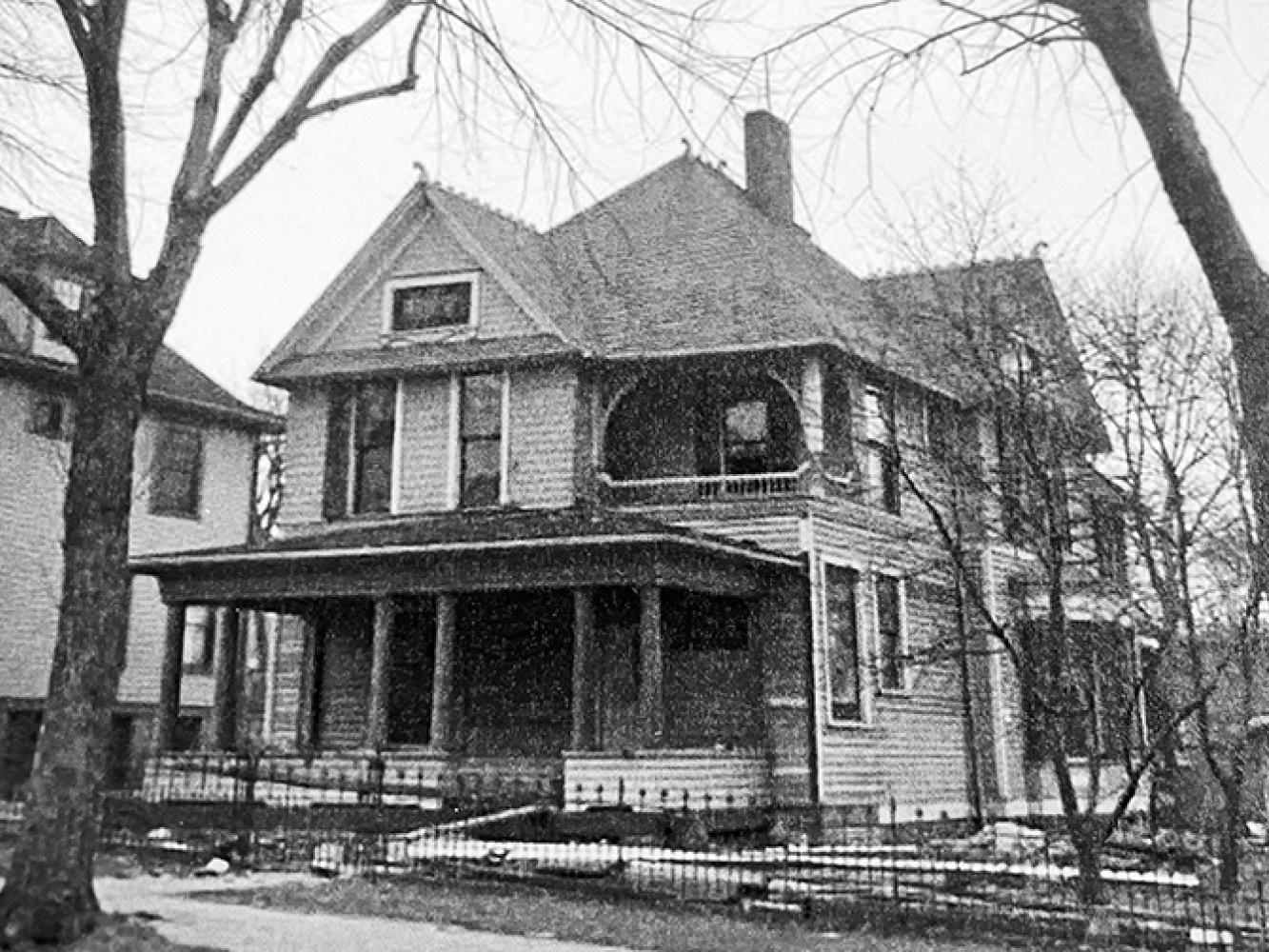
By 1912 the Daughters of Israel Aid Society began taking the first steps in establishing a community home for the aged, along with a mikvah / public bath house. For years the group held events to raise funds. Eventually, a property was purchased at 25th and Charles Street in Omaha. The mikvah opened in 1917 and the care home in January of 1918. It had 5 residents. It was a modest and humble beginning to our foundation of community elder care.
According to source materials from the Nebraska Jewish Historical Society, “The first floor of the care home had two bedrooms with a living room, dining room, kitchen, and a bathroom …. The upstairs housed the staff. There were two bathrooms and one room that was used as isolation for the ill. Residents at the home were known as ‘inmates’. Three basement rooms of the mikvah housed residents as well. These were not desirable rooms because of the cement floors and the heat from the nearby boiler. Three meals were offered each day. There was little structure at the home. Residents could stay up as late as they pleased, and they could go and come at will. There was no recreational program.”
In 1917, just at the Daughters of Israel Aid Society were getting ready to open the first community home for the aged, another significant event occurred. Rose Blumkin arrived in America. Born in Russia in 1893, Blumkin fled war torn Eastern Europe. She arrived three years after her husband, Isidore. After some time in Iowa, the family moved to Omaha in 1919.
The Daughters of Israel Aid Society supported and maintained their care home for years. In 1921 the home was invited to become a constituent member of the Jewish Welfare Federation. Representatives from the Jewish Federation and the Israel Aid Society were appointed to handle the executive affairs. By 1928, ten years since its opening, the home had served a total of 37 people. Maximum capacity was 11 and it cost about $1.50 per day to care for each resident.
A strong establishment of Jewish life in Omaha was starting to take hold. Dr. Sher had become president of the Jewish Federation in 1923, finishing the term of the late Morris Levy, and again in 1929.The International Order of the Aleph Zadik Aleph (AZA) was founded adopted by the B’nai B’rith Organization as its auxiliary program for young men in 1924 and the Jewish Community Center had opened in 1926. Rose Blumkin and her family opened Nebraska Furniture Mart in 1937.
The care home at 25th and Charles continued. The creation of the national Social Security program in 1935 gave many seniors the means to live independently. This shift in ability spurred new community conversations on the creation of a new nursing home. The interest was great. A building fund was created but never reached its goal. World War II was imminent, and things were put on hold.
In 1944 The Jewish Federation of Omaha put backing to the unrealized dream. They allocated $10,000 for the construction of a new Home for the Aged. A building fund was once again established and a campaign was formed. Dr. Sher, who by this time was known and respected by all, was a diligent leader of the campaign who advanced the cause immeasurably. He was an adamant believer that everyone deserved care and dignity and that the strength of a community could be measured by how it cares for its elders.
Under Dr. Sher’s leadership, the community raised the $450,000 needed. A ten-acre site was purchased near at 52nd and Grand Avenue in Omaha. It was decided that the new facility would be named the Dr. Philip Sher Home for the Aged, not for the money he gave, but rather for the life he lived in service to the Jewish community.
Groundbreaking for the Dr. Sher Home for the Jewish Aged was held in 1946. The home was to be built as a colonial mansion, centered in a 10-acre tract of land. The building included a synagogue, auditorium, offices, dining room, living room, library, kitchen, utility room, hospital unit, and infirmary facilities. The project took 15 months to complete and opened in 1948. The facility cost $225,000 to build and was able to open debt free, thanks to the generosity of the Jewish community. When the doors opened 35 individuals were welcomed in. The expanded availability of safe and consistent care of community seniors was now a reality. The estimated cost for maintaining a resident was $4 a day.
-
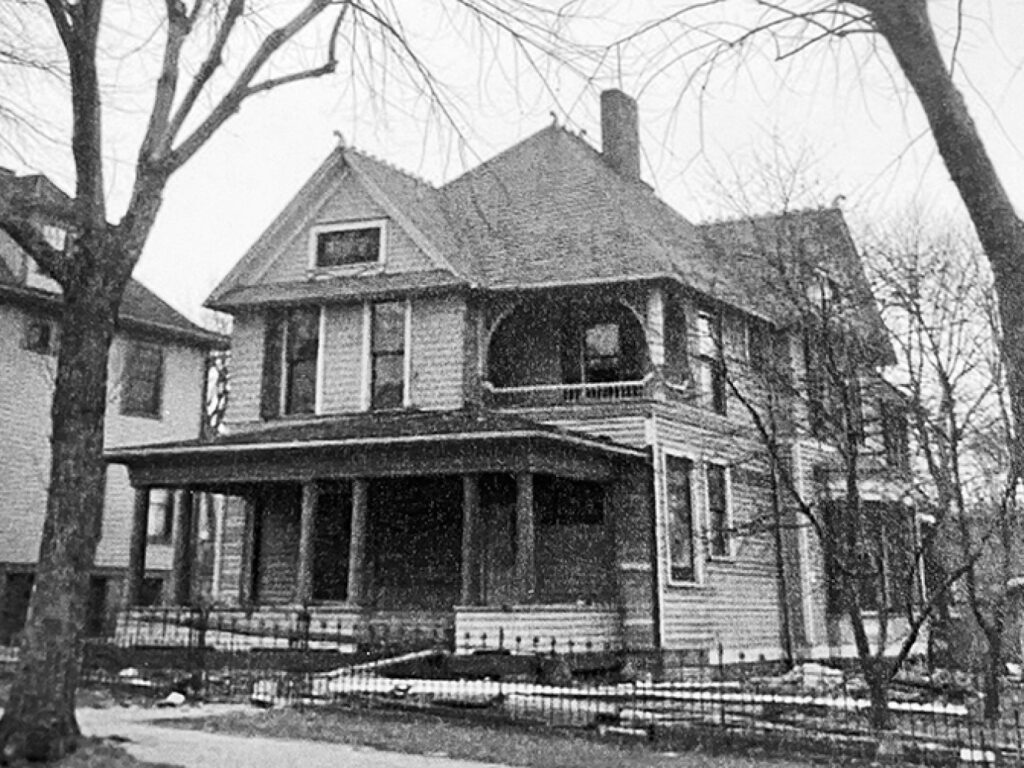
- 1917: First Jewish nursing home at 25th and Charles street in Omaha
-
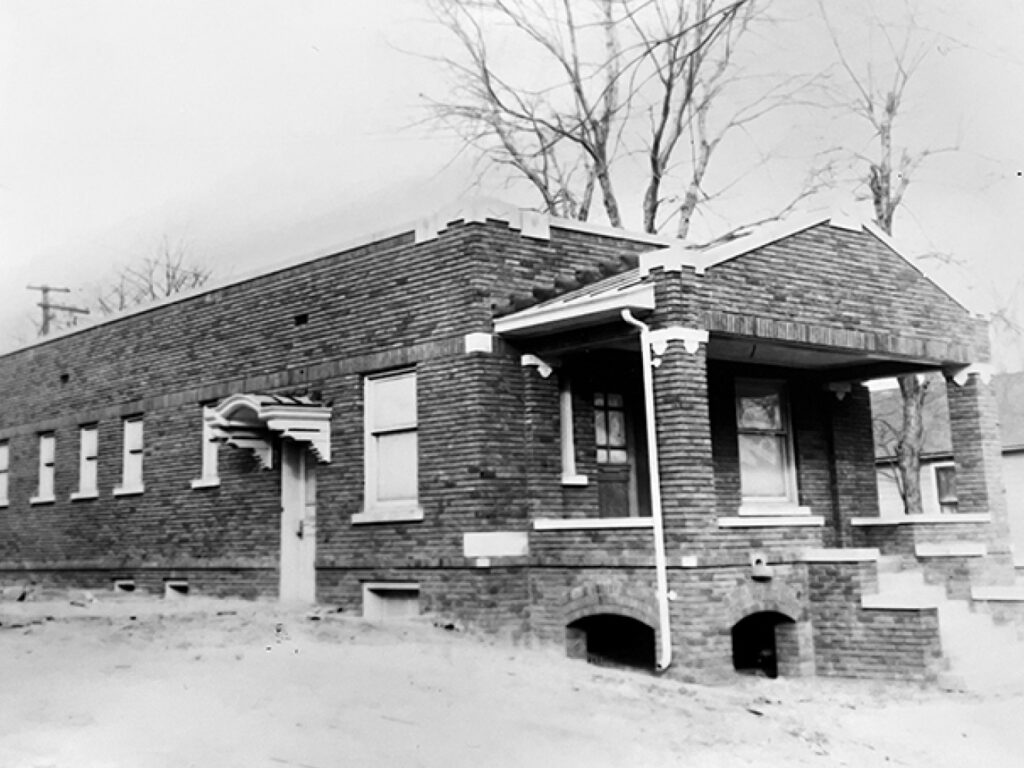
- 1917: Mikvah next to the nursing home at 25th and Charles street in Omaha
-
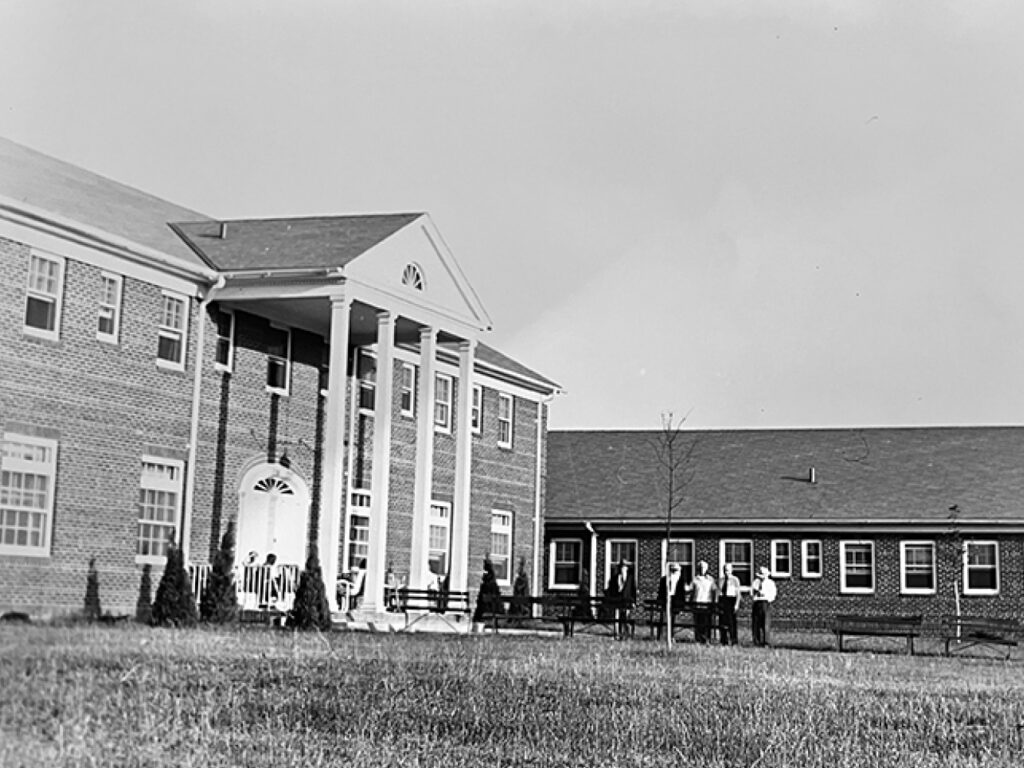
- Dr. Sher Home for the Jewish Aged in Omaha
-
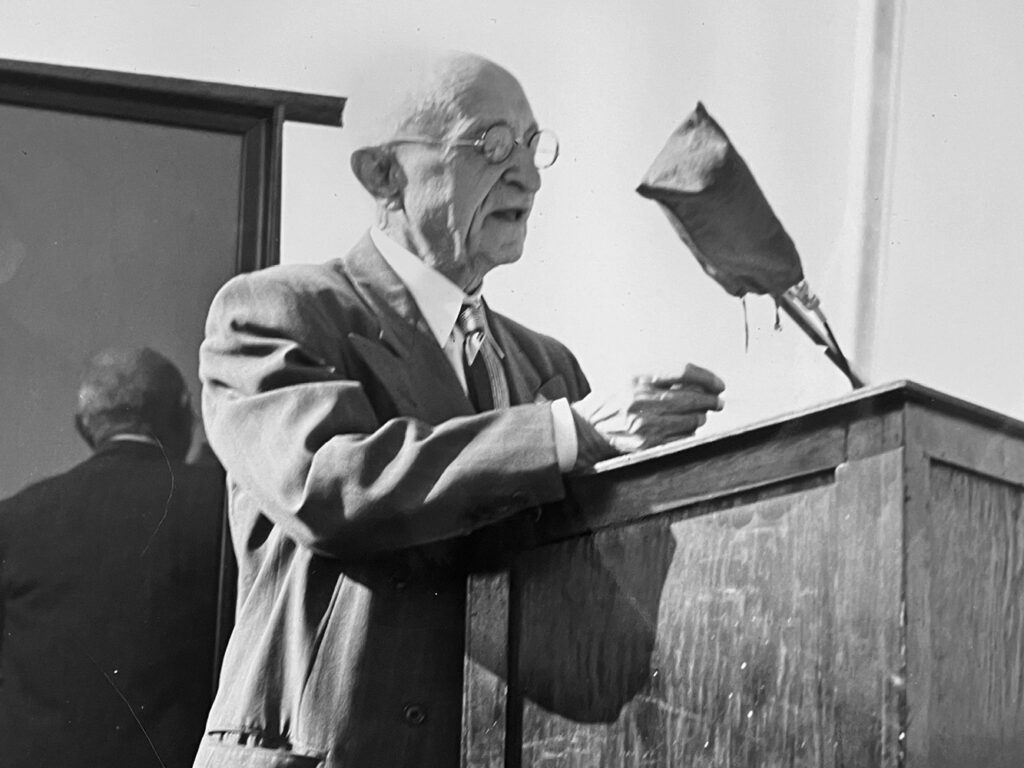
- 1948: Dr. Phillip Sher speaks at the dedication for the Dr. Sher Home for the Jewish Aged
-
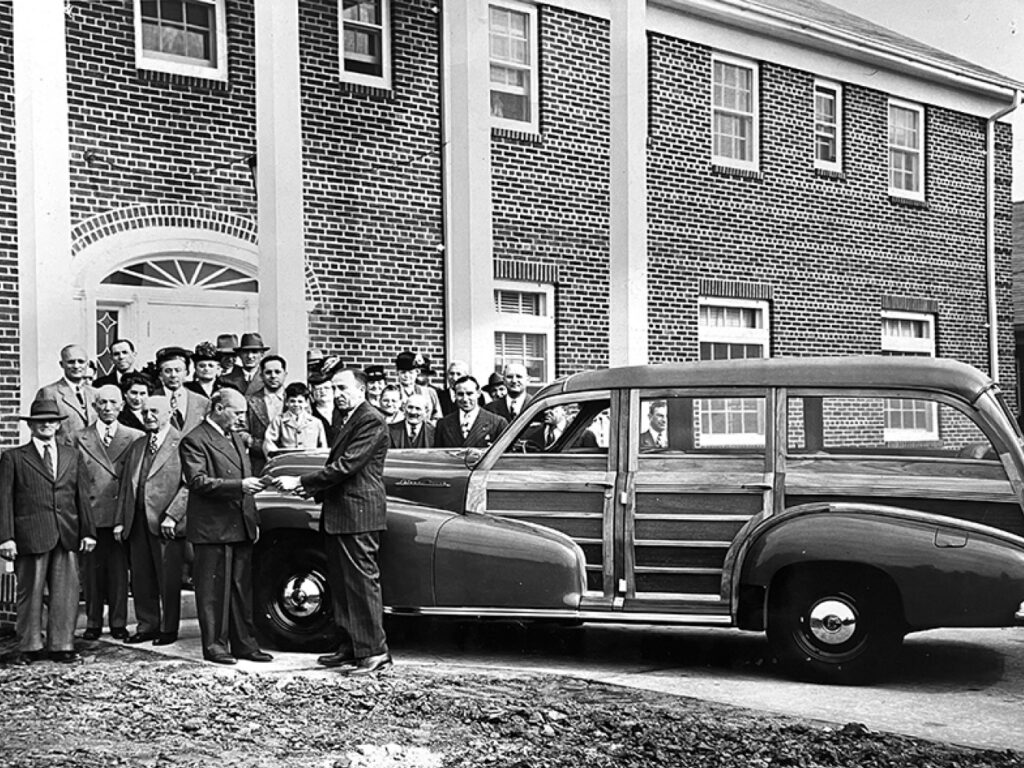
- 1948: Dedication of the Dr. Sher home station wagon
-
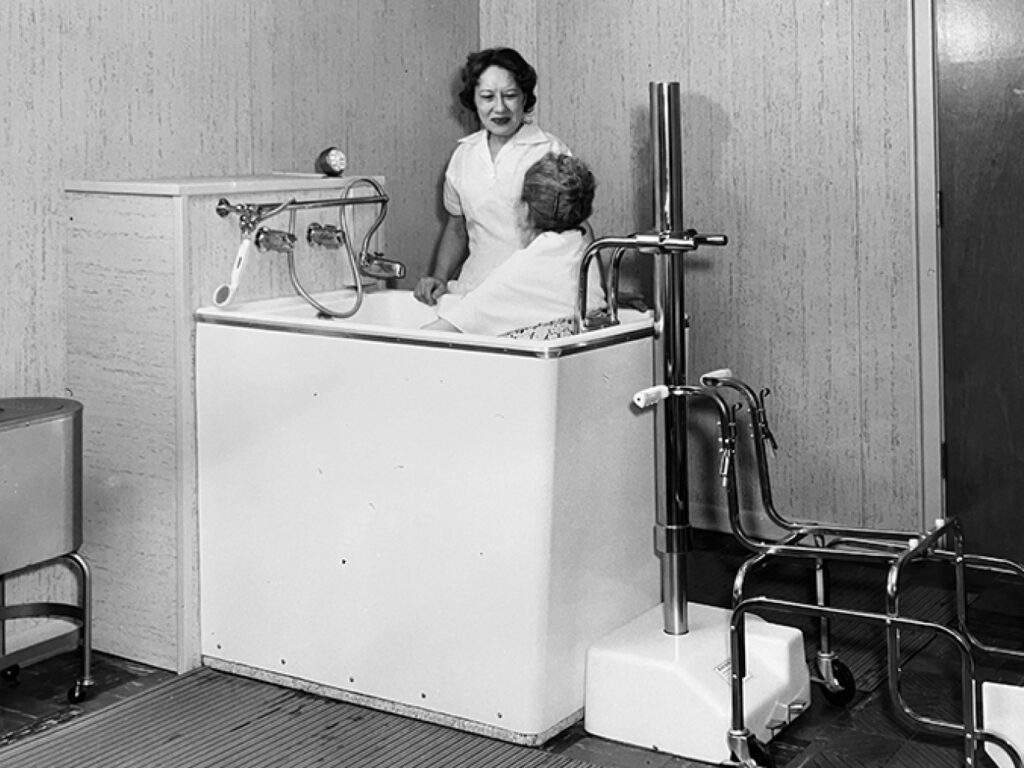
- 1950s: Therapy at the Dr. Sher Home for the Jewish Aged
-
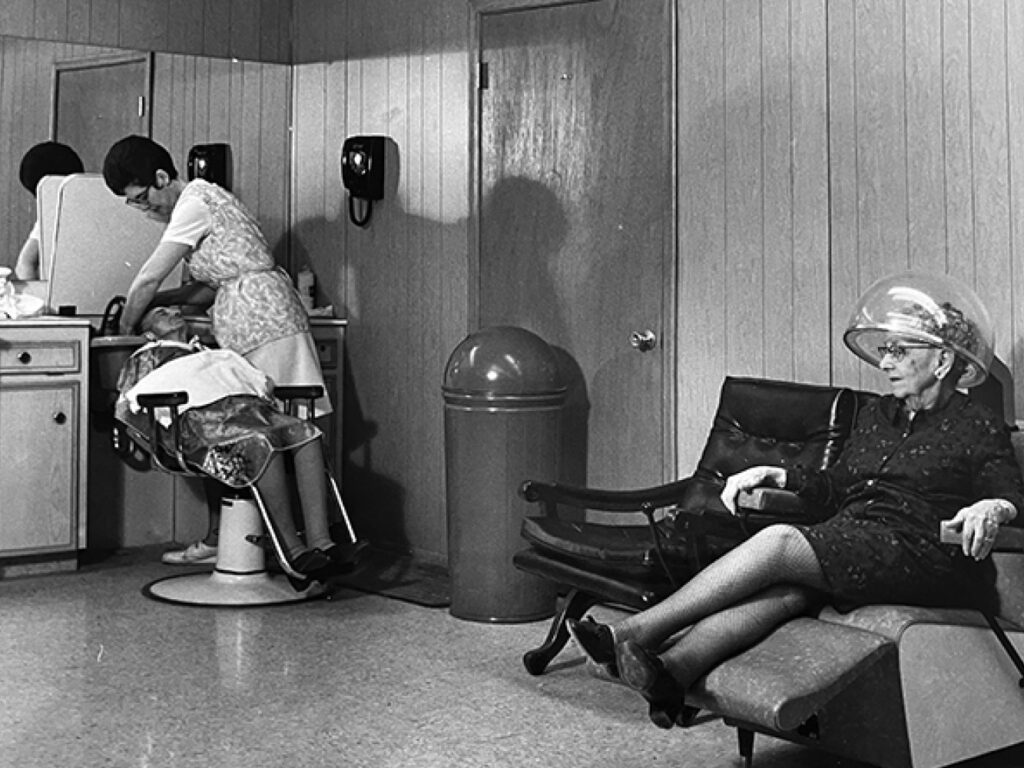
- 1950s: Beauty parlor at the Dr. Sher Home for the Jewish Aged