Every Canvas Has a Story: Inclusion and Belonging Through Art

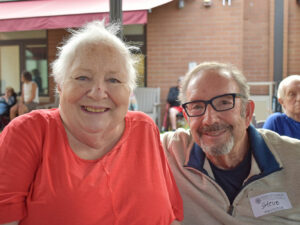
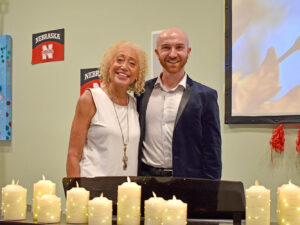
A special exhibit has been displayed on the small wall of the Eisenberg Gallery during the month of October.  “Every Canvas Has a Story” features the artwork of Yachad participants, and Rose Blumkin Jewish Home Resident, David Silver.

Yachad, which means “together” in Hebrew, is a program offered through Jewish Family Service (JFS) and is dedicated to enriching the lives of Jewish individuals with disabilities. The program aims to enhance their participation in the Jewish community and strengthen their connection to Judaism through social and educational programs and support services.

Heather Topil, JFS Emergency Financial Assistance Coordinator & Yachad Coordinator, oversees the program which currently has approximately 10-13 members.

“Yachad reminds us that inclusion is not simply about making room for everyone as it is about making sure everyone knows they truly belong,” Topil said. “The program plays an important role in creating an inclusive community where individuals with disabilities can build meaningful friendships, develop social connections, and participate in activities together. Yachad is a place where everyone belongs, regardless of ability, and where each person is welcomed, valued, and celebrated for who they are.”

The Yachad group typically meets once or twice a month, although the schedule may vary depending on the month, special activities, and Jewish holidays.

“Throughout the year, members participate in a variety of activities, including art projects, bowling, Topgolf, and celebrations of Jewish holidays and special events,” Topil said. “We also offer a weekly yoga class through Zoom, giving members another opportunity to connect and stay active together.”

Despite all these fun outings, Topil stressed that Yachad is much more than simply attending activities. It is about creating friendships, building confidence, finding a sense of belonging, and knowing that there is a community where individuals are accepted and appreciated.

“When I began serving as the Yachad coordinator a couple of years ago, one of my goals was to expand the program to individuals of all ages. I believe that providing opportunities for people of different ages and abilities to come together is an important part of creating a truly inclusive community,” Topil said.

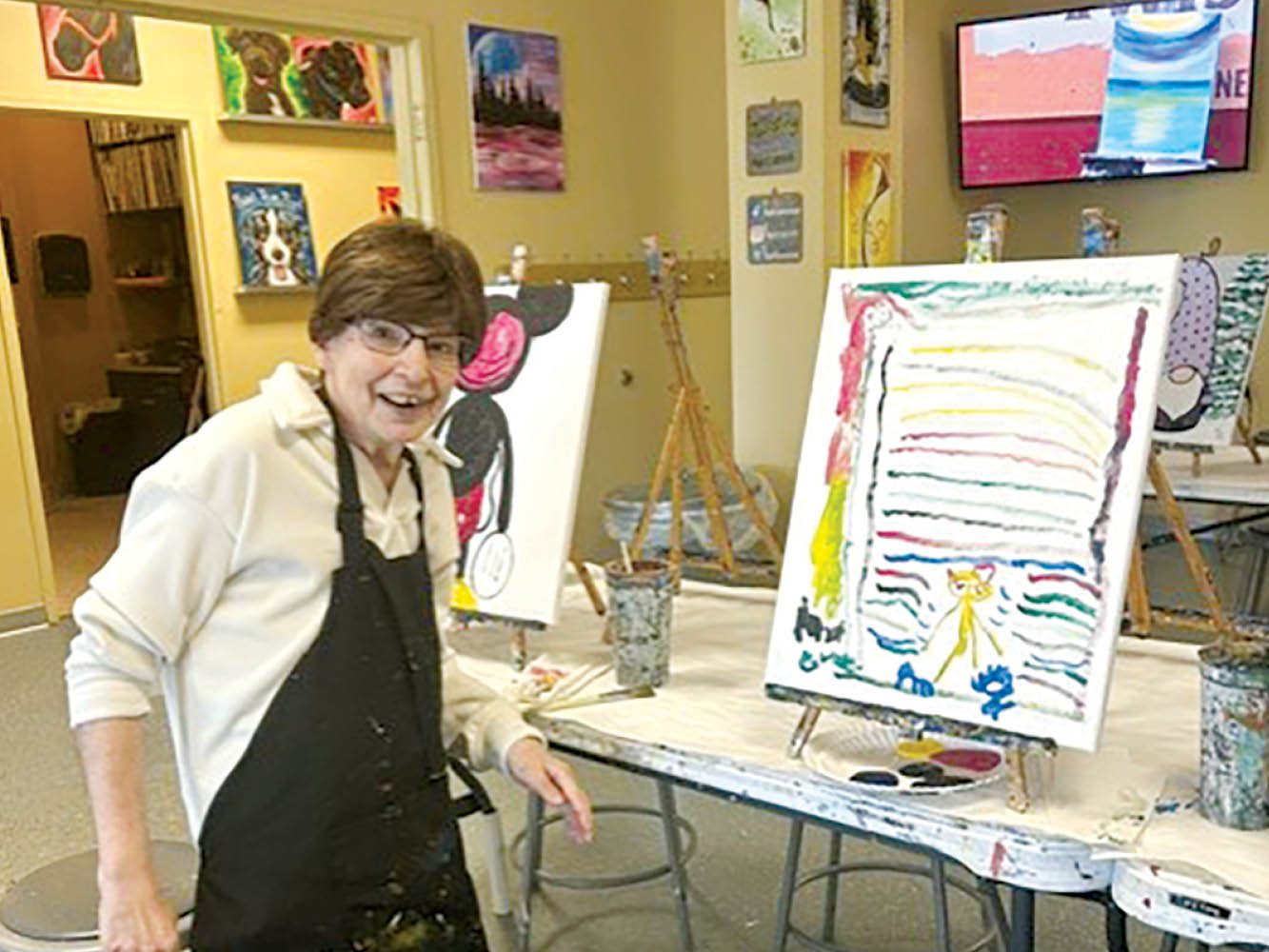
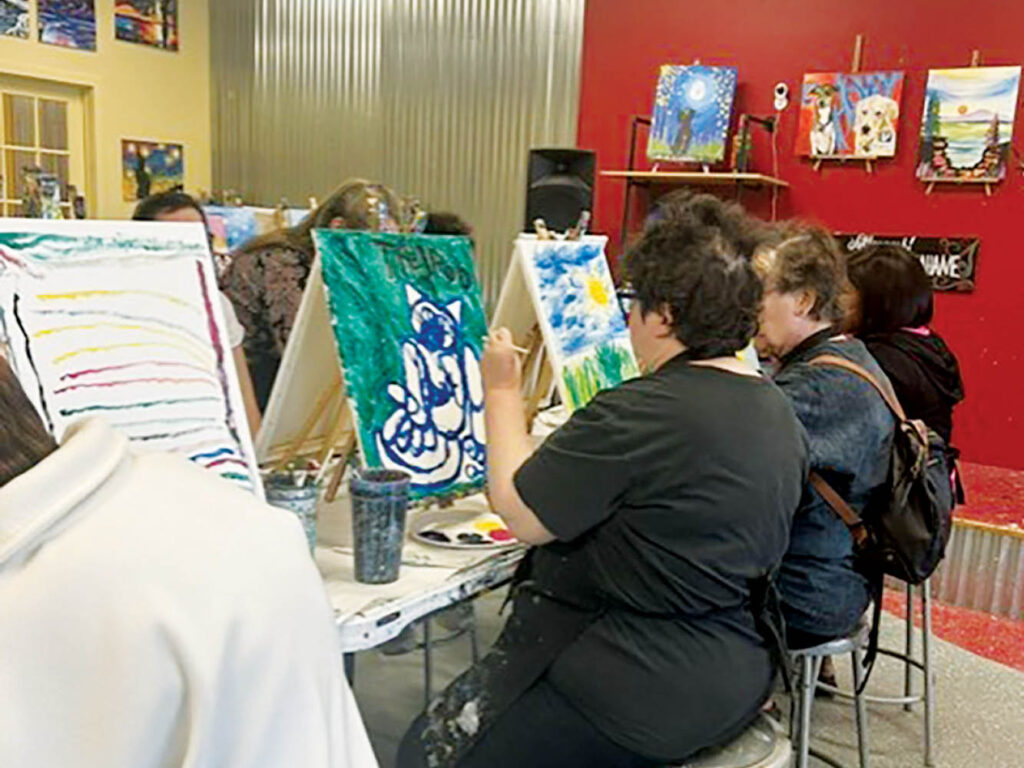
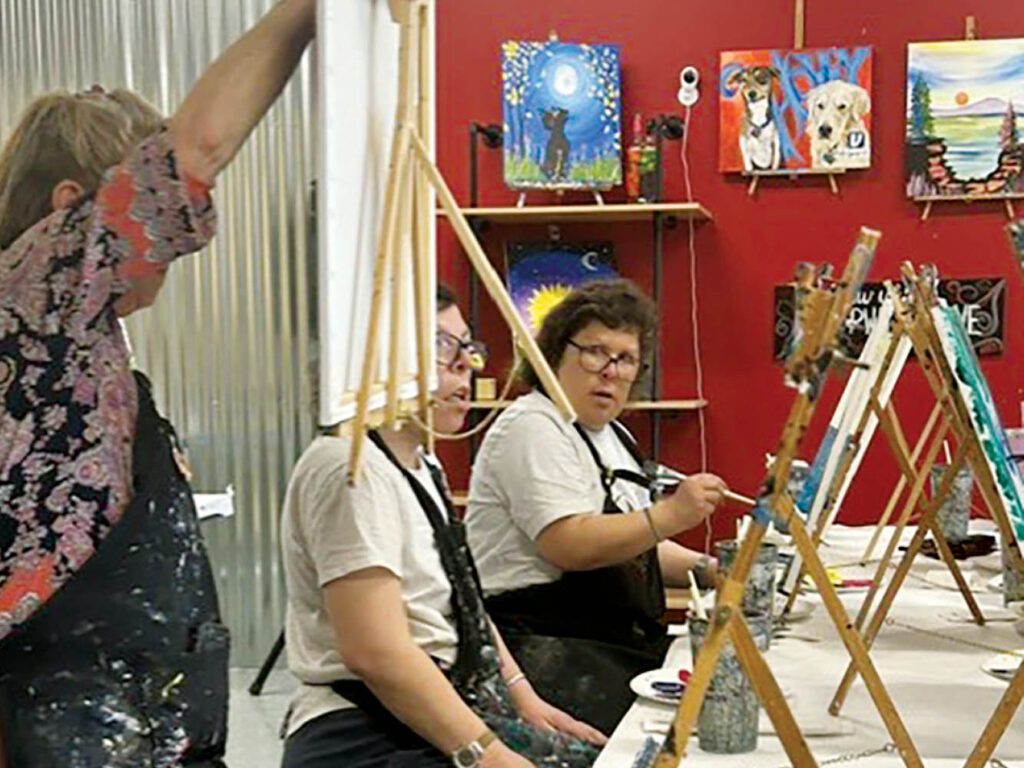
Art has become one of the many ways Yachad members express themselves and enjoy time together. Last year, members participated in an art show where they painted pottery. This year the group visited Painting with a Twist, a local Omaha art studio. Participants had the choice of creating their own landscape or picture or following along with the instructor, who guided everyone step by step. The resulting creations are what is currently on display on the small wall of the Eisenberg Gallery.

“The painting session was a wonderful opportunity for members to be creative, try something new, and enjoy each other’s company,” Topil said.

Hanging alongside the artwork by Yachad are pieces by David Silver.

Silver, a resident at the Rose Blumkin Jewish Home (RBJH), is a self-taught artist who began painting during the COVID pandemic. His works are primarily done in acrylic. He draws his inspiration from Judaism, human connection, animals, landscapes, and abstraction. His bold use of color and expressive style bring a distinctive voice.

A hallmark of RBJH is the meaningful relationships formed between staff and residents — relationships rooted in knowing each individual and what matters most to them. When staff discovered David’s passion for art, they helped him find ways to display it. In addition to showing his work in the Eisenberg Gallery, his paintings are also frequently displayed in the lobby of RBJH.

Silver paints daily and is always open to painting new subjects, even things he may not have done before. He enjoys painting things that make him feel good, such as dogs, flowers, and Judaism. He appreciates the challenge of trying new things and searching for the spark that will inspire his next piece.

“I feel honored to be able to share my paintings with everyone that comes through the gallery as well as to be alongside the Yachad organization for this display,” Silver said. “It gives me a feeling of camaraderie to be working with organizations such as Yachad and RBJH to put on this display of talented artwork from so many different artists. The membership I have with the Jewish Community Center also brings me a lot of joy to continue being connected with a community I love.”

The exhibit will be on display in the Eisenberg Gallery at the Staenberg Omaha JCC until October 28th. Admission is free. The public is invited to attend the closing reception on Sunday, October 25th at 3:00 p.m. Refreshments will be provided.  From November 2–6, the artwork will move to the upper sitting area near JCC Member Services before traveling to the Rose Blumkin Jewish Home, where it will remain on display for the rest of November.

Anyone interested in learning more about Yachad, its requirements, and how individuals can become involved can contact Jewish Family Service at (402) 330-2024 or at www.jfsomaha.com. Information about the Rose Blumkin Jewish Home can be obtained by calling (402) 330-4272 or visiting www.rbjh.org

Jewish Family Service and the Rose Blumkin Jewish Home are agencies of the Jewish Federation of Omaha.
 

11/5/26

FROM THE NJHS ARCHIVES: PURPLE HEART & SILVER STAR
Read More

11/5/26

The Jewish Film Festival Celebrates 24 Years of Bringing Omaha’s Jewish Community Together
Read More

10/23/26

JCRC Receives National Grant to Strengthen Nebraska’s 2026 Elections
Read More

Enhancing Quality of Life Campaign Becomes a Reality

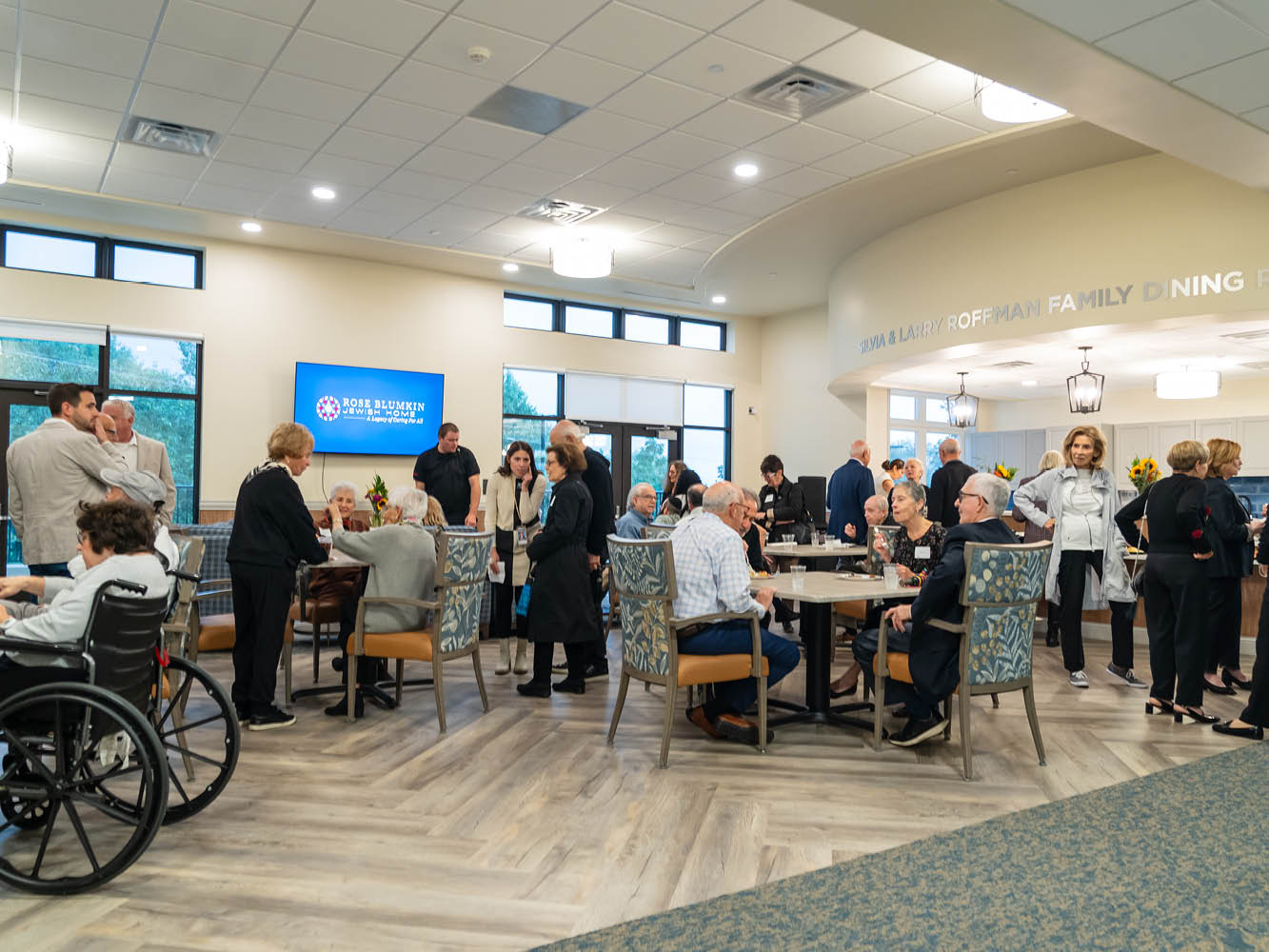
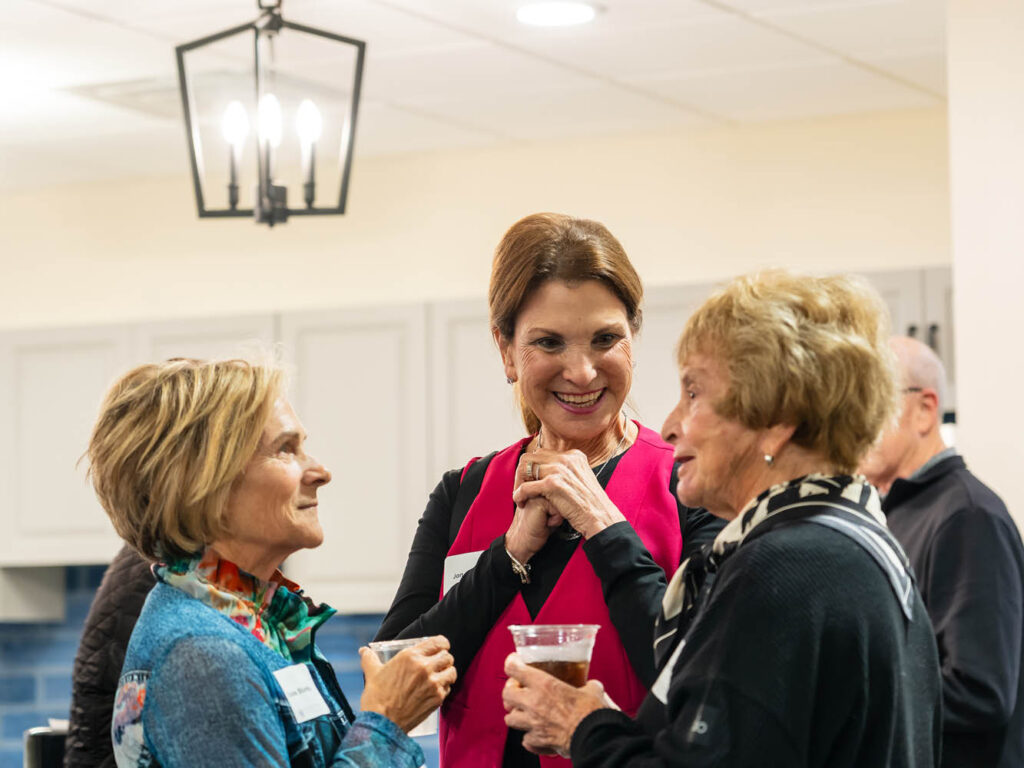
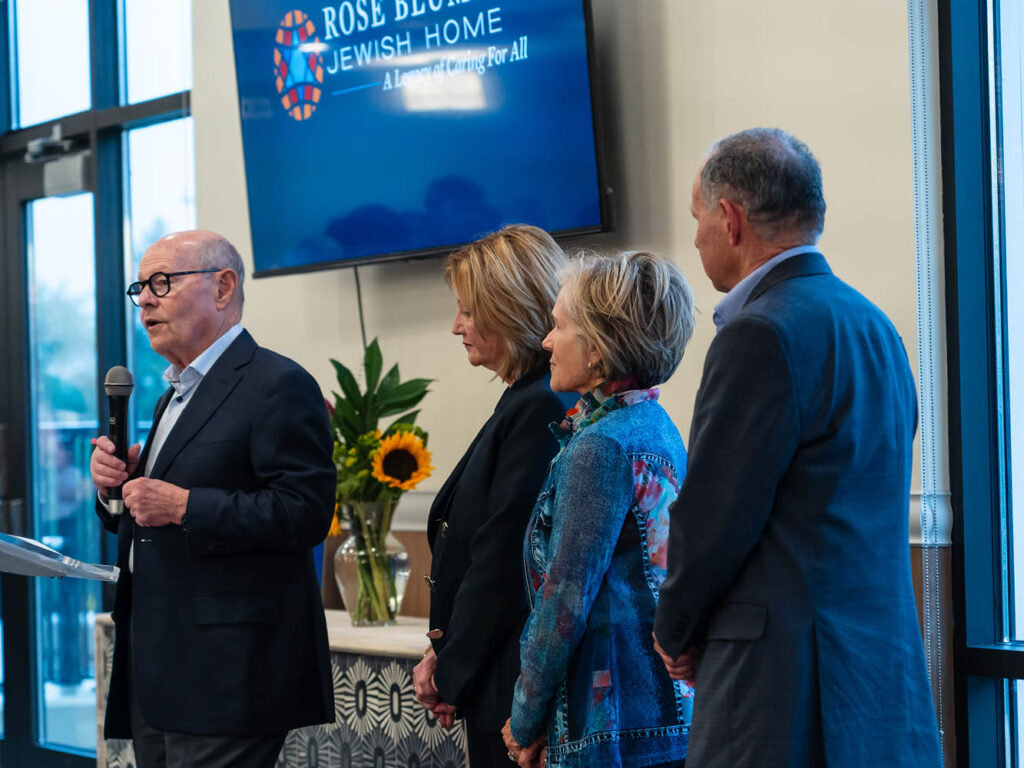
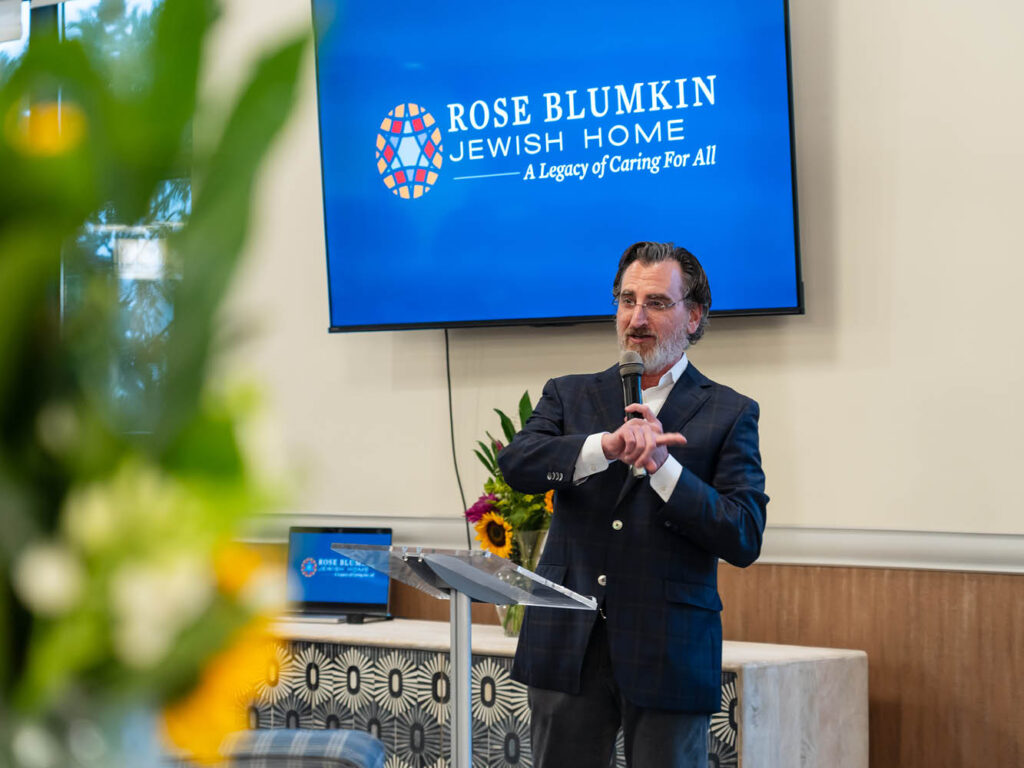
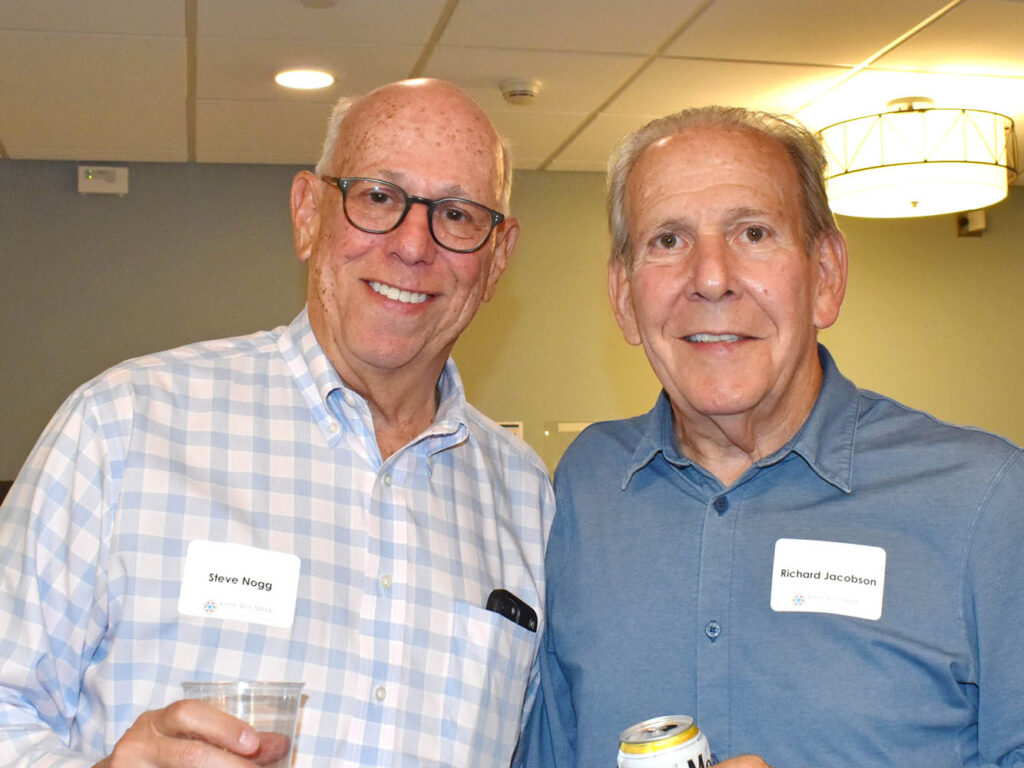
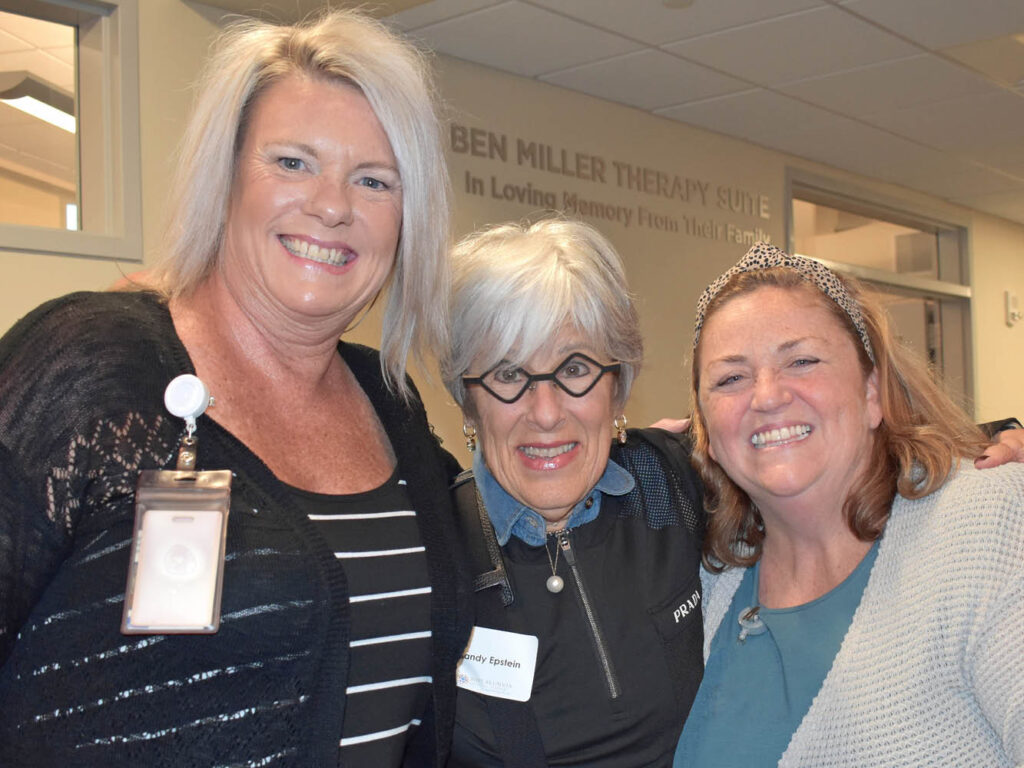
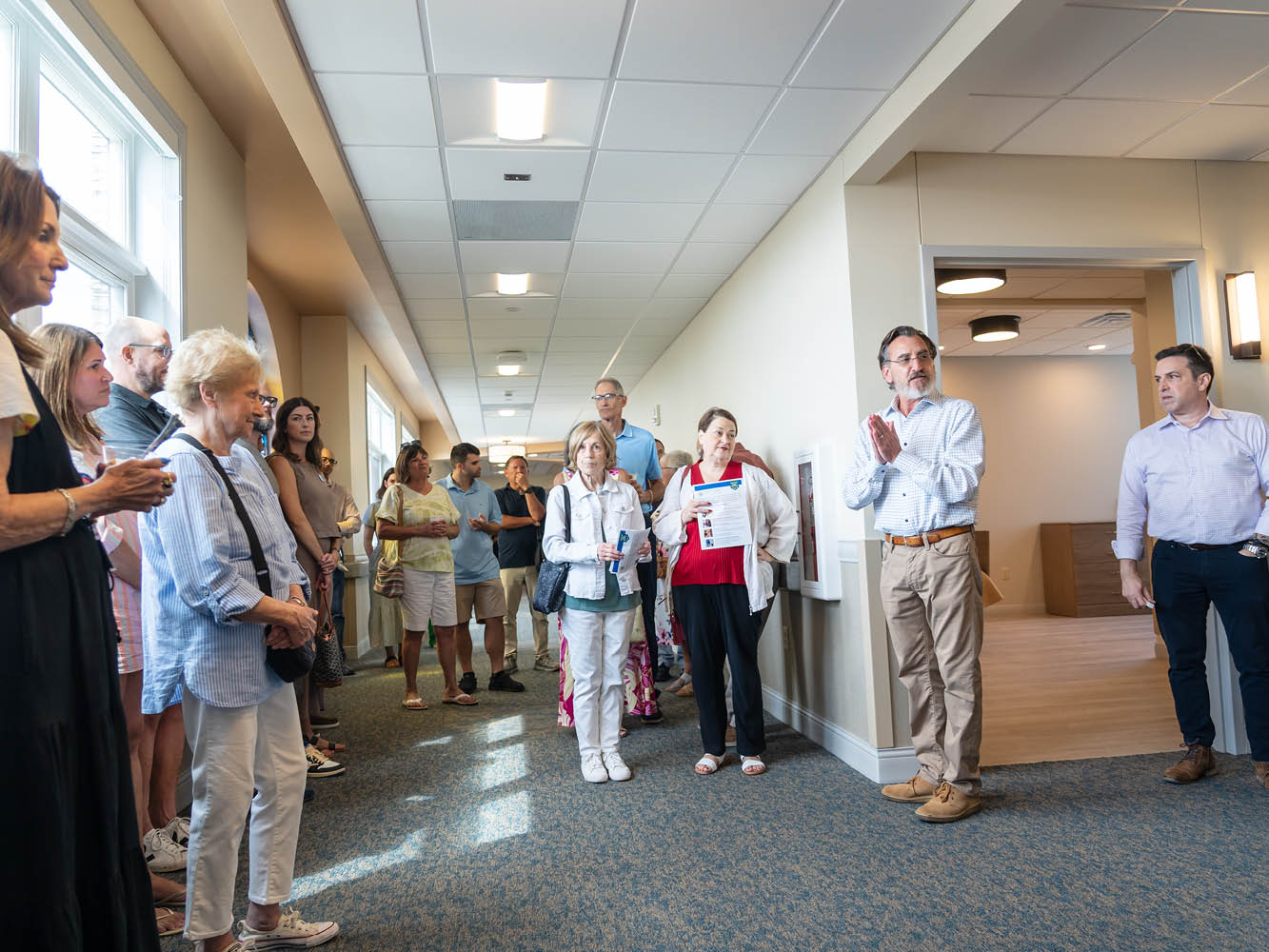
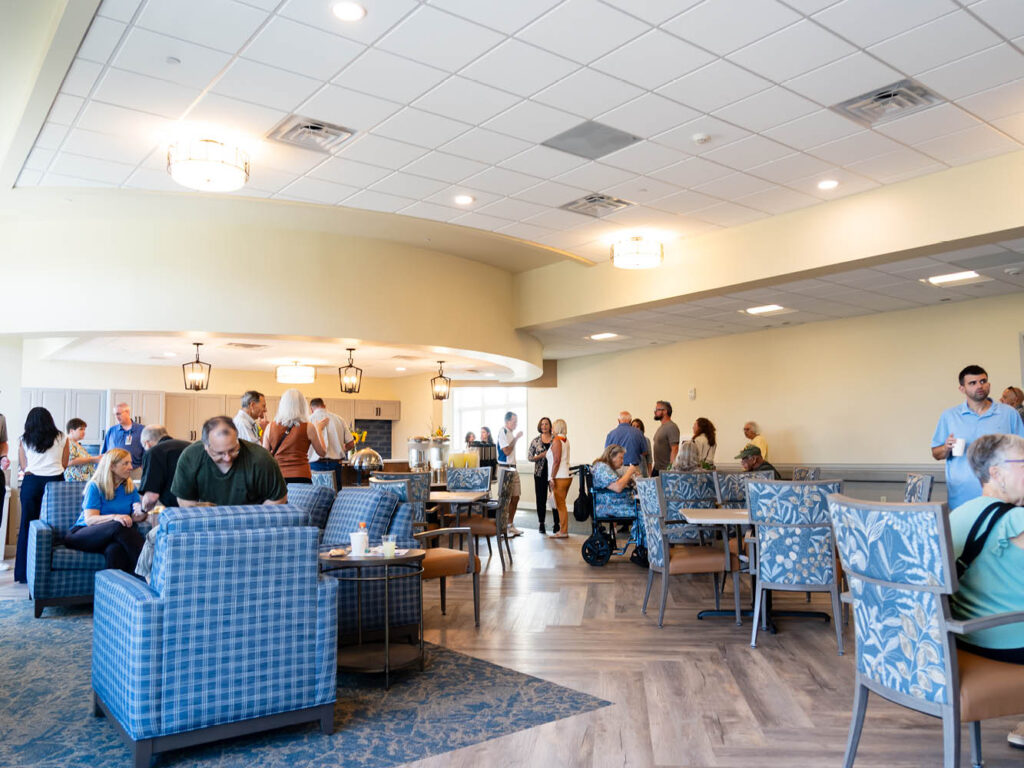
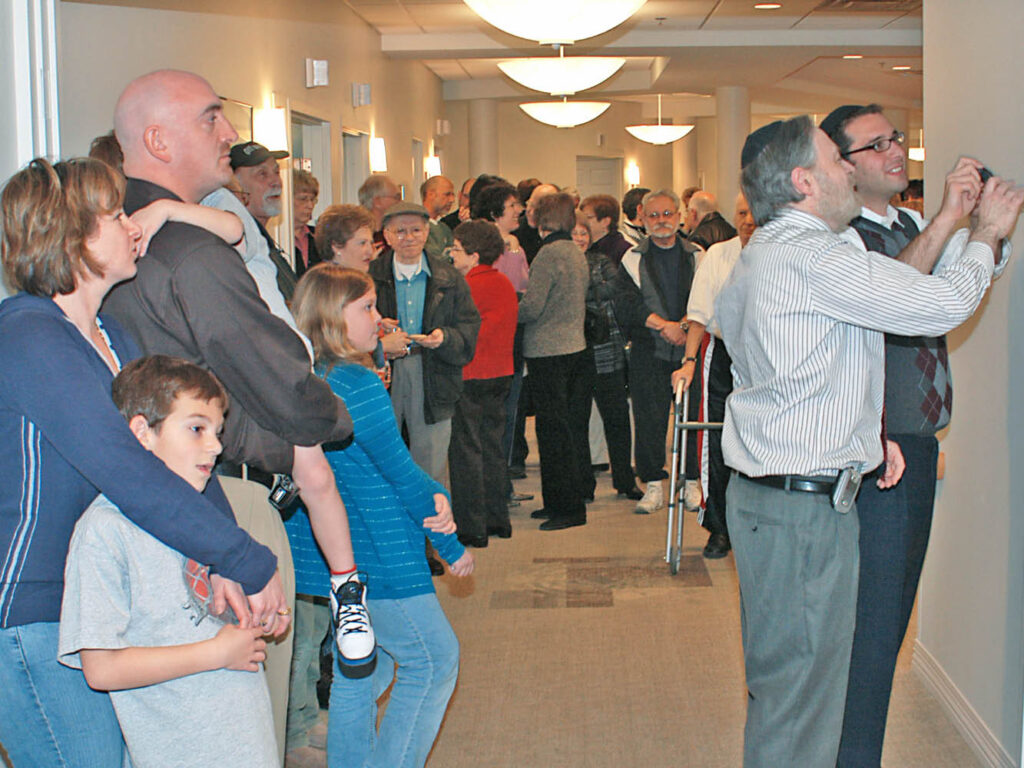
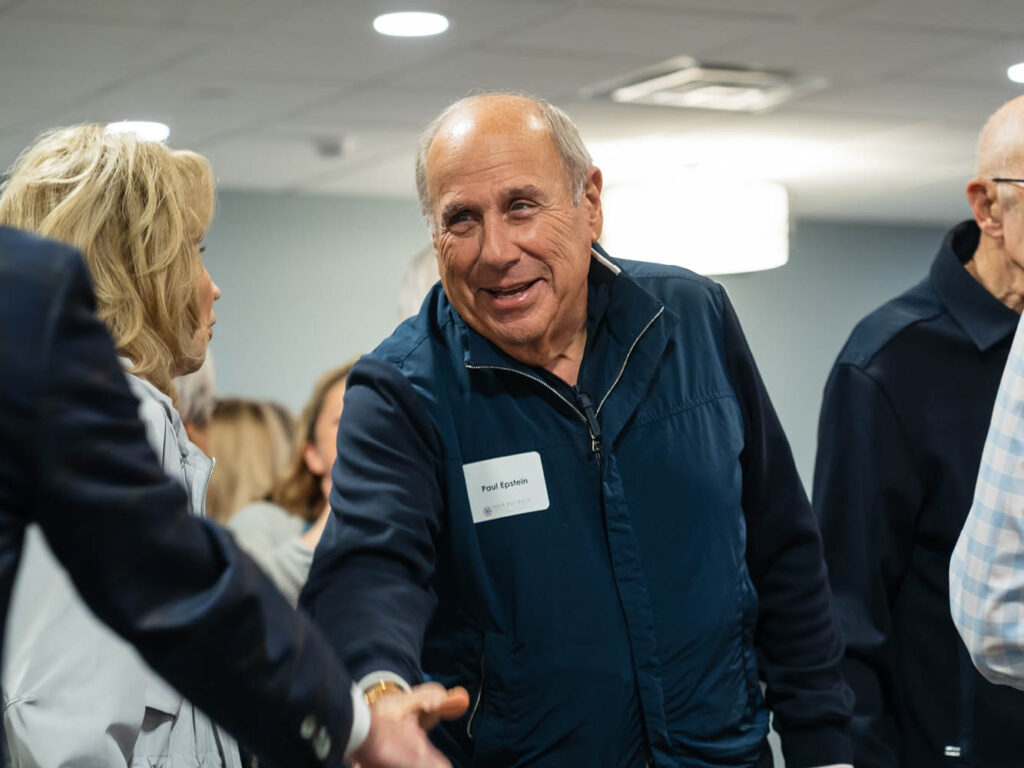
Over 100 people attended the Rose Blumkin Jewish Home Enhancing Quality of Life Major Donor Reception on Wednesday, September 30th. Those in attendance toured the new wing of the Rose Blumkin Jewish Home while enjoying refreshments. Remarks were given by Jewish Federation of Omaha Chief Executive Officer, Bob Goldberg, Jewish Federation of Omaha Board Chair, Ron Feldman, Ron and Chris Blumkin, Marty Ricks, and Chris Ulven, Executive Director of the Rose Blumkin Jewish Home.

Ulven praised the support of the community and thanked all those who worked to make this project possible.

“This is the next chapter in a long continuum of care,” he said “one shaped by listening, by thoughtful planning, and by a commitment to make sure the Rose Blumkin Jewish Home remains a place where people receive exceptional care and feel known, respected, and at home.”

Thanks to the generous support of our community, the Jewish Federation of Omaha was able to achieve their goal of enhancing the quality of life for residents at the Rose Blumkin Jewish Home.

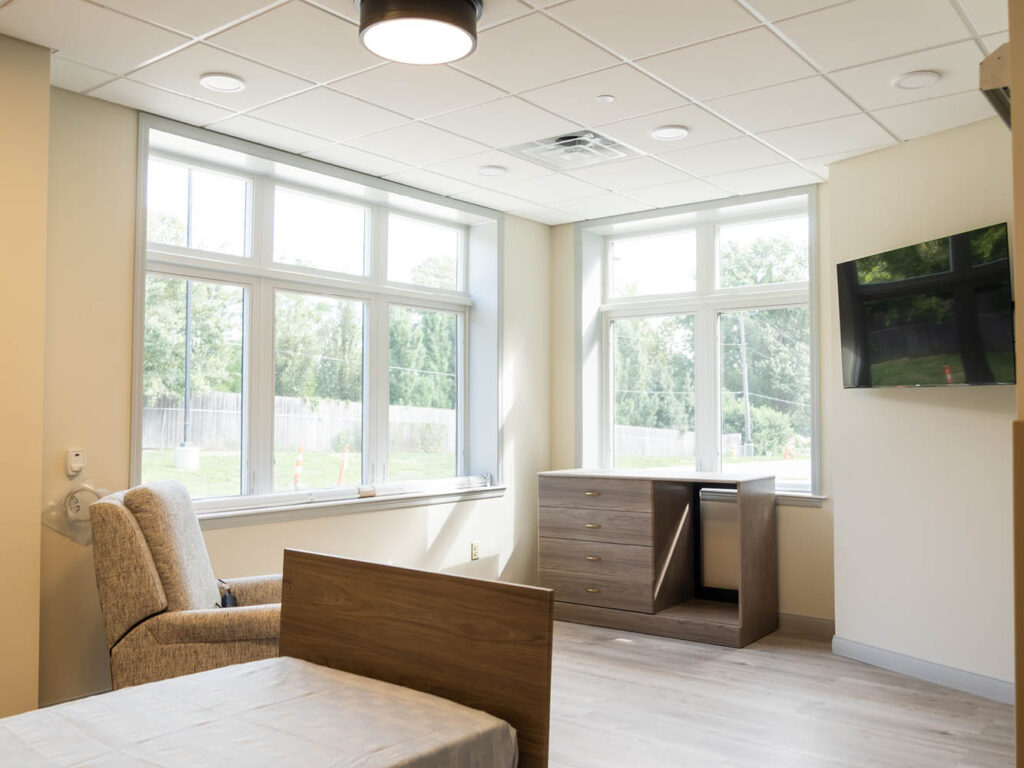
The new wing adds 32 rooms to the existing building, allowing RBJH to transition to nearly all single-occupancy resident rooms. This change will enhance the comfort, privacy, and quality of life for all RBJH residents.

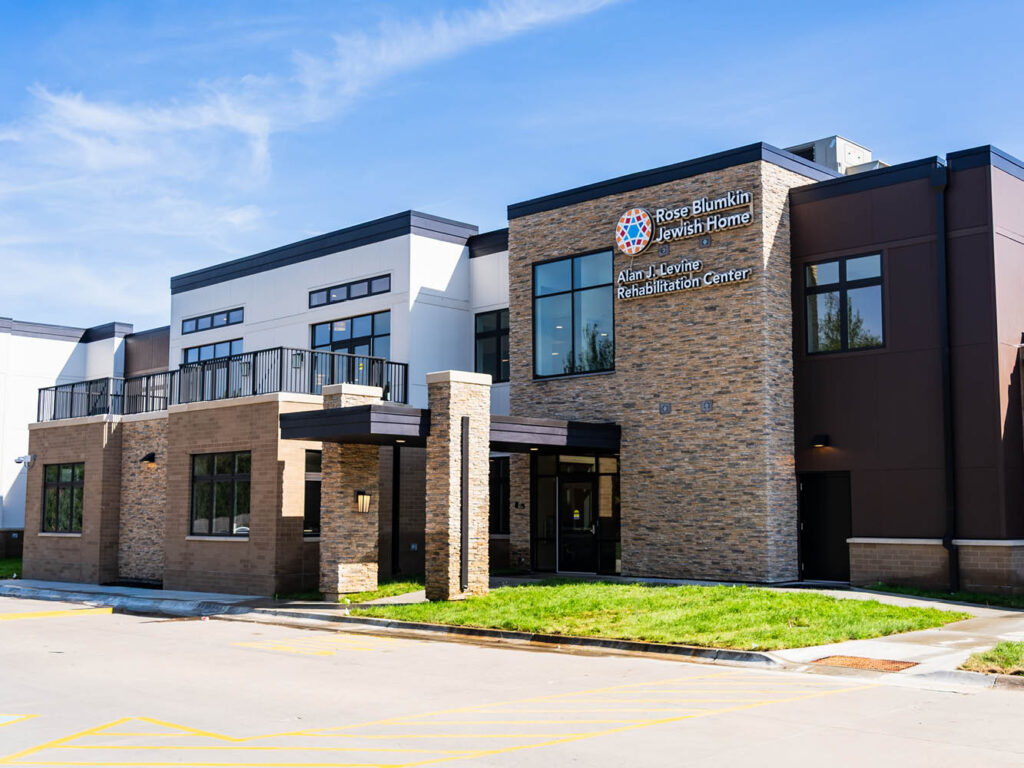
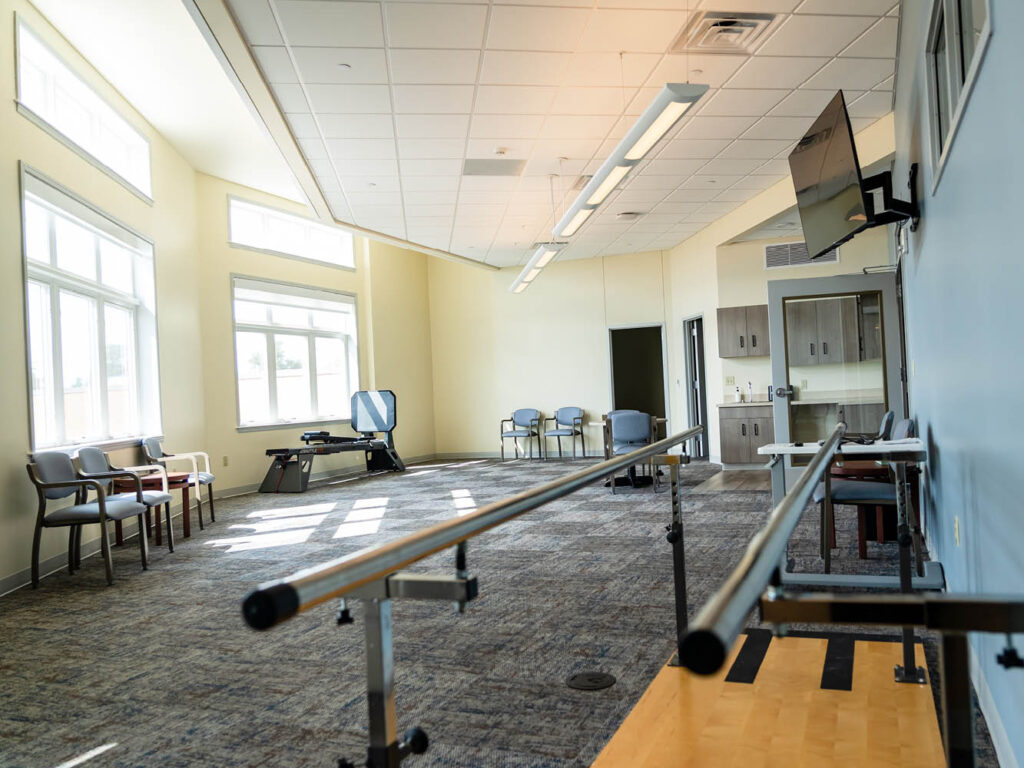
The expansion also introduces the new Alan J. Levine Rehabilitation Center, an area dedicated exclusively to short-term support, recovery and care. These state-of-the-art facilities are a part of the broader experience families trust RBJH to provide; an environment where residents are not only cared for, but truly known and given opportunities to continue living meaningful and fulfilling lives.

To schedule a private tour, please visit rbjh.com or call (402) 334-6529.

The Rose Blumkin Jewish Home is an agency of the Jewish Federation of Omaha.
11/5/26

FROM THE NJHS ARCHIVES: PURPLE HEART & SILVER STAR
Read More

11/5/26

The Jewish Film Festival Celebrates 24 Years of Bringing Omaha’s Jewish Community Together
Read More

10/23/26

JCRC Receives National Grant to Strengthen Nebraska’s 2026 Elections
Read More

A Symphony of Memories: Mary’s Dream Comes True

By: Maggie Conti, RBJH Director of Activities and Volunteer Services

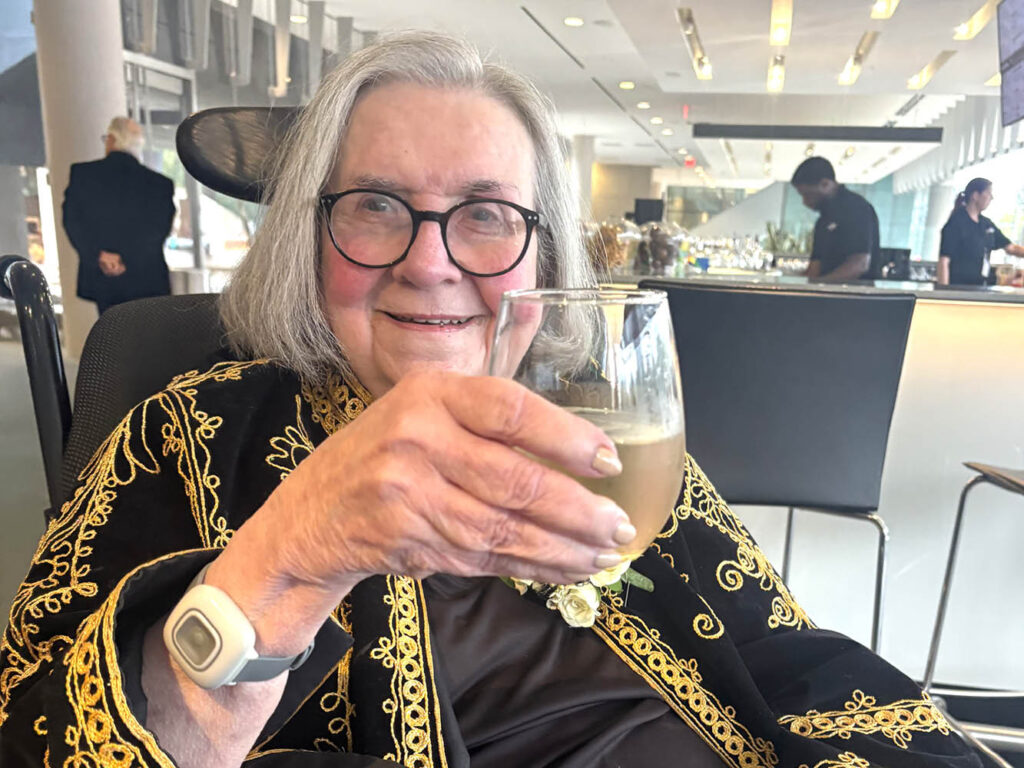
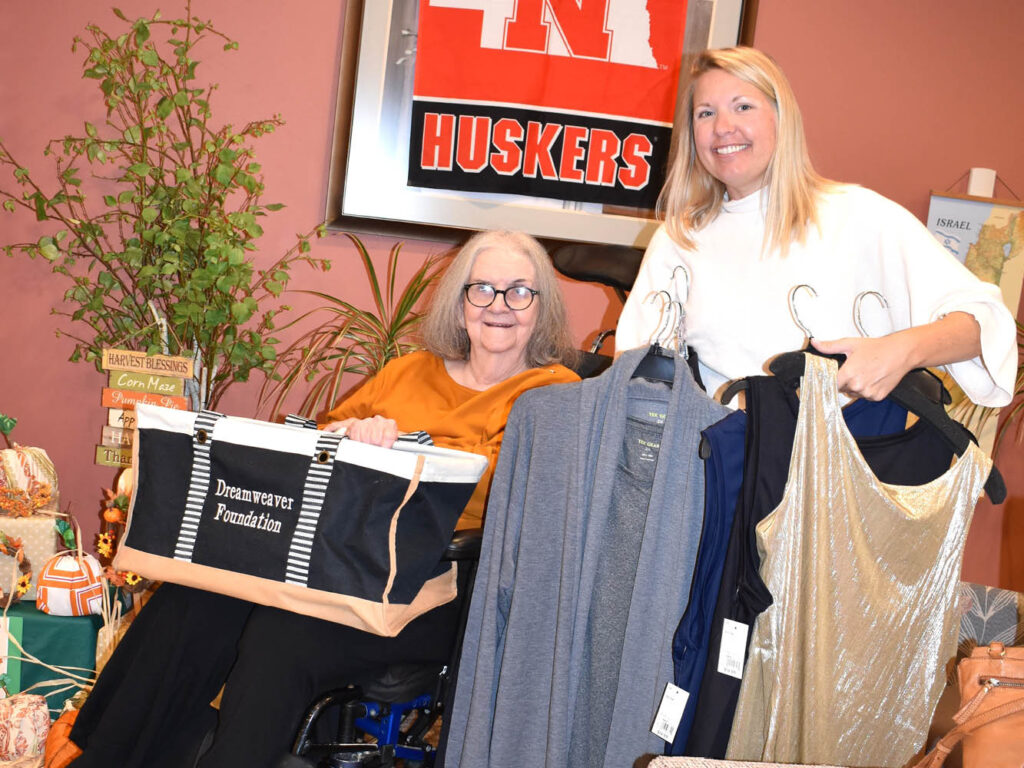
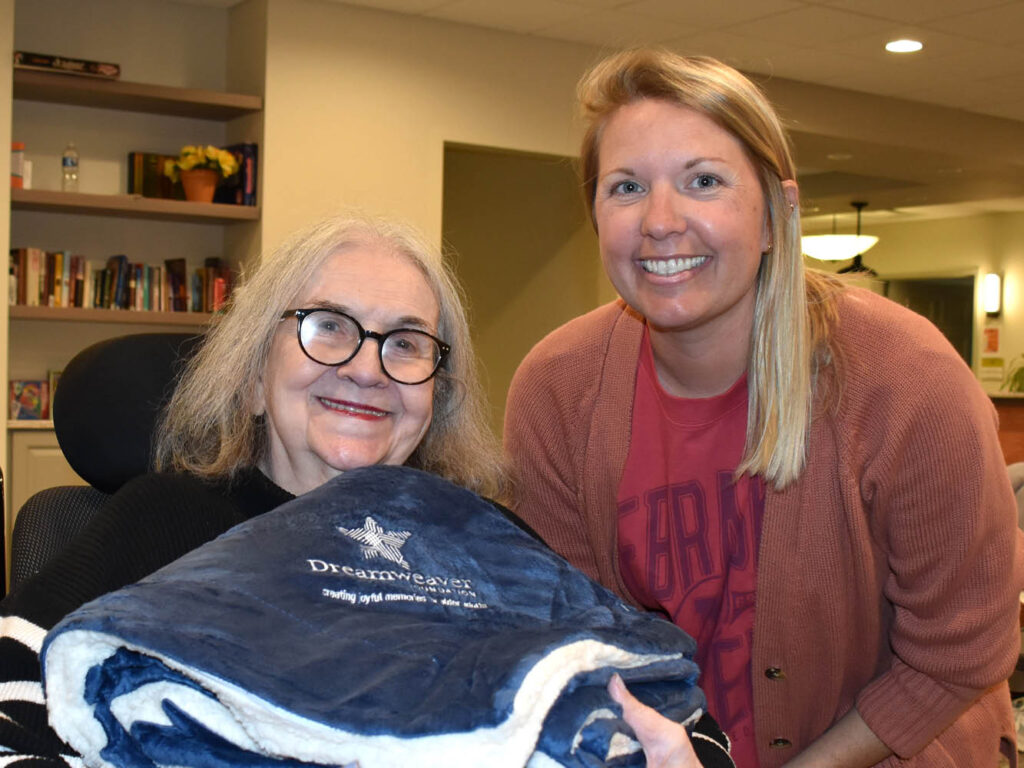
The Rose Blumkin Jewish Home strives to develop deep connections with its residents—relationships rooted in knowing each individual and what matters most to them. So, when Peaceful Hearts Hospice nominated RBJH resident Mary Kaiman for a Dreamweaver Foundation wish to attend the Omaha Symphony, everyone worked together to make her dream a reality.

Mary has always loved all kinds of music, but classical holds a special place in her heart. For years, Mary and her husband were Omaha Symphony season ticket holders. Mary holds dear the memories of their time together enjoying music and strolling through the Old Market.

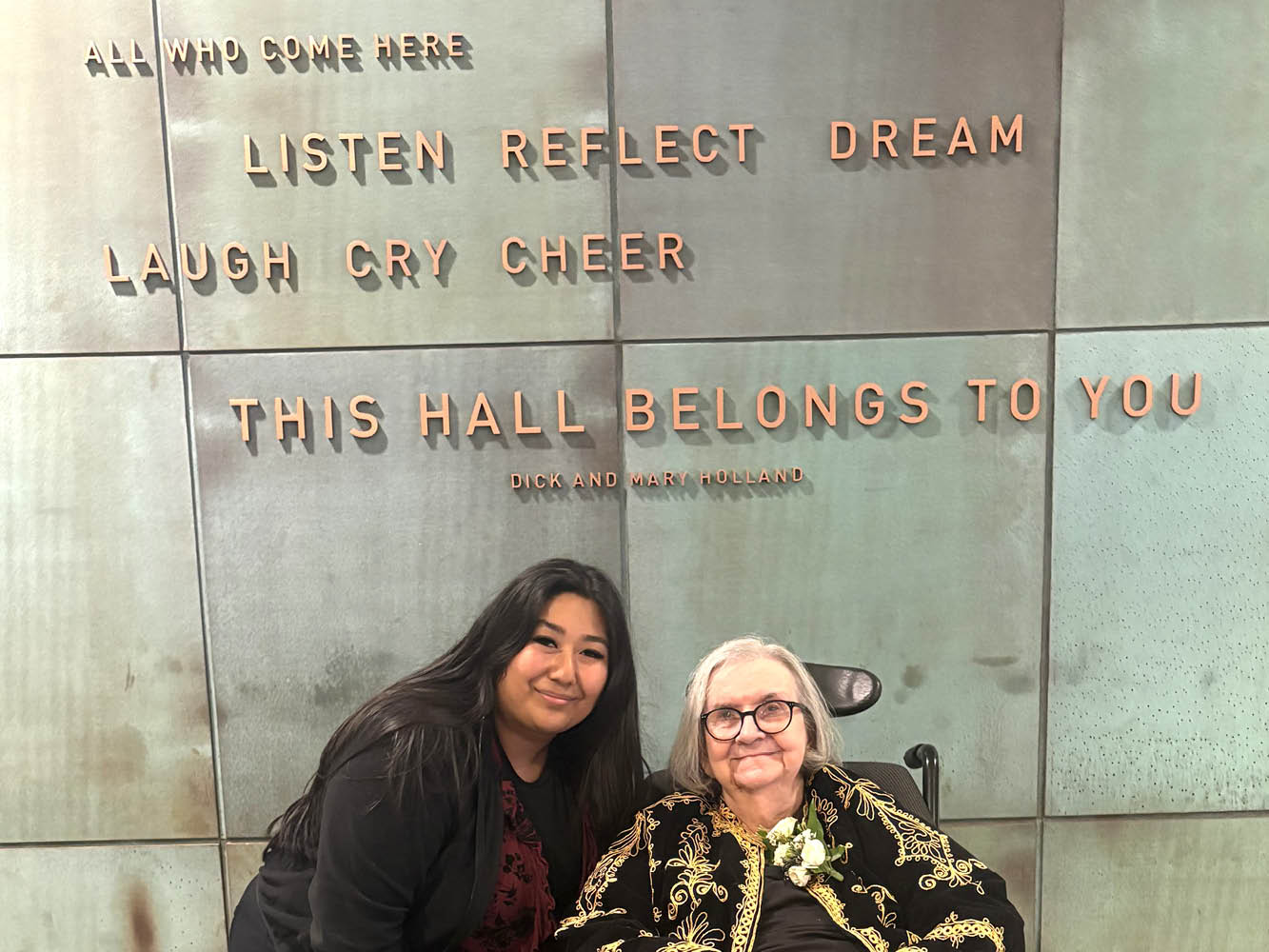
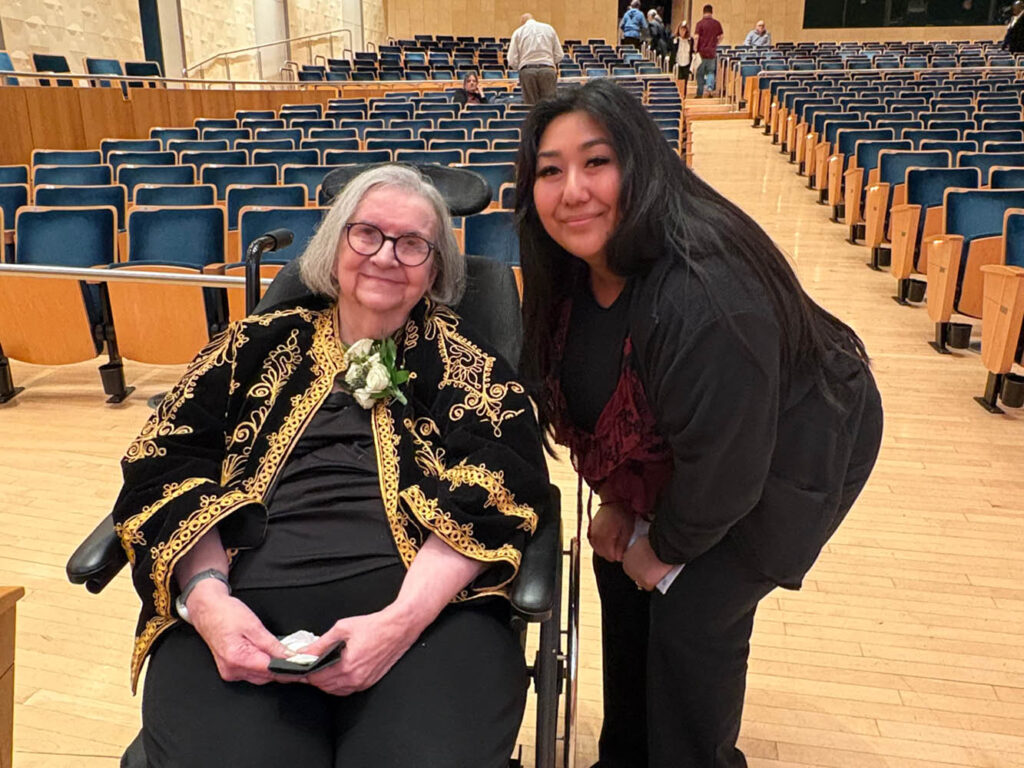
When the Dreamweaver Foundation granted Mary the opportunity to return to the symphony, the staff at the Rose Blumkin Jewish Home supported the effort. The Dreamweaver Foundation provided Mary with a stylish new outfit, a corsage, tickets to see the Omaha Symphony perform, and transportation to the Holland Performing Arts Center. RBJH gave Olivia Chavez, a certified nursing assistant who is also completing her social work practicum at RBJH through the University of Nebraska at Omaha, the honor of escorting Mary on her special evening out.

On a Saturday evening in late September, the pair set off to see Falletta Conducts Gershwin & Strauss at the Holland Performing Arts Center. They left early to drive around the Old Market, giving Mary a chance to reminisce about the places she and her husband once frequented. Once at the Holland, they enjoyed a pre-show cocktail while noshing on charcuterie and chocolate. The concert itself was impeccable, rounding out a perfect evening.

Mary describes the experience with a smile, saying she “had goosebumps the entire evening” and “felt like she was living in a dream.” In addition to the concert, Mary appreciated the time they spent driving around the Old Market because it reminded her of the happy memories she shared with her husband. Mary said she was amazed by how much Omaha had changed. She was especially excited to see that Mister Toad’s was still there, noting that her husband had managed it for many years.

Christina Caniglia, assistant director of activities at RBJH, shared why this experience mattered so much to Mary.

“Mary is the loveliest person to all and her wish was so well-deserved,” Caniglia said. “As a professor of humanities, Mary devoted her life to the beauty of the human experience. She is a lifelong patron of the arts and her wish to attend a symphony performance was a beautiful celebration of music, culture, and the arts she has cherished for years.”

Moments like these reflect the broader experience families trust RBJH to provide—one where residents are not only cared for but also truly known, celebrated, and given opportunities to continue living meaningful and fulfilling lives. The guiding value of Mipnei Seiva Takum, to rise and show respect for the aged, is brought to life each day through the meaningful relationships formed between RBJH staff and residents.

The Rose Blumkin Jewish Home is thankful to the Dreamweaver Foundation for making Mary’s wish come true. A special shout-out goes to Kelly Jacobs, volunteer and program manager for the Dreamweaver Foundation, for coordinating the details that made Mary’s special evening possible. This partnership is just one of the ways RBJH turns everyday care into something extraordinary.

For one unforgettable evening, Mary returned to a place that had brought her and her husband so much happiness. Sometimes a dream is as simple as returning to a place you love, listening to music that touches your soul, and making a few new memories along the way. For Mary, this experience was exactly that.

The Rose Blumkin Jewish Home, an agency of the Jewish Federation of Omaha.
 

11/5/26

FROM THE NJHS ARCHIVES: PURPLE HEART & SILVER STAR
Read More

11/5/26

The Jewish Film Festival Celebrates 24 Years of Bringing Omaha’s Jewish Community Together
Read More

10/23/26

JCRC Receives National Grant to Strengthen Nebraska’s 2026 Elections
Read More

RBJH has a September to Remember

Mazel Moments and Grandparents Month: A September to Remember

By Maggie Conti, Director of Activities and Volunteer Services, Rose Blumkin Jewish Home

Every day the Rose Blumkin Jewish Home creates experiences where residents feel engaged, valued, and connected to the community around them. Our September events were no exception. It was a month filled with music and plenty of reasons to celebrate. We brought together two special traditions that allowed our residents to enjoy more social connection, a rekindling of cherished memories, and moments of joy, purpose, and belonging.

The first event was Mazel Moments: Broadway Magic. Throughout the month, residents enjoyed the magic of Broadway with classic performances, trivia, mask making, sing-alongs, and beloved show tunes that brought back wonderful memories. The grand finale was a fabulous concert featuring Camille Metoyer Moten, accompanied by pianist and entertainer Curtis Reynolds (from Broadway Bar). Their performance filled RBJH with incredible music and Broadway spirit. A heartfelt thank you goes to the Shirley and Leonard Goldstein Supporting Foundation of the Jewish Federation of Omaha Foundation for their generous support. Their commitment helped make our Mazel Moments another unforgettable experience for our residents.

The second event we celebrated was Grandparents Month. At RBJH, we believe grandparents deserve much more than a single day of recognition. That is why we celebrate with an entire month of special experiences and outstanding entertainment. This year’s celebration was made possible through the generous support of the Sheldon and Lorrie Bernstein Endowment, Betty Studna and Seymour Lee Endowment, and the Chester and Phyllis Lustgarten Endowment Funds of the Jewish Federation of Omaha Foundation. Thanks to these generous donors, our residents enjoyed a remarkable lineup of performers.

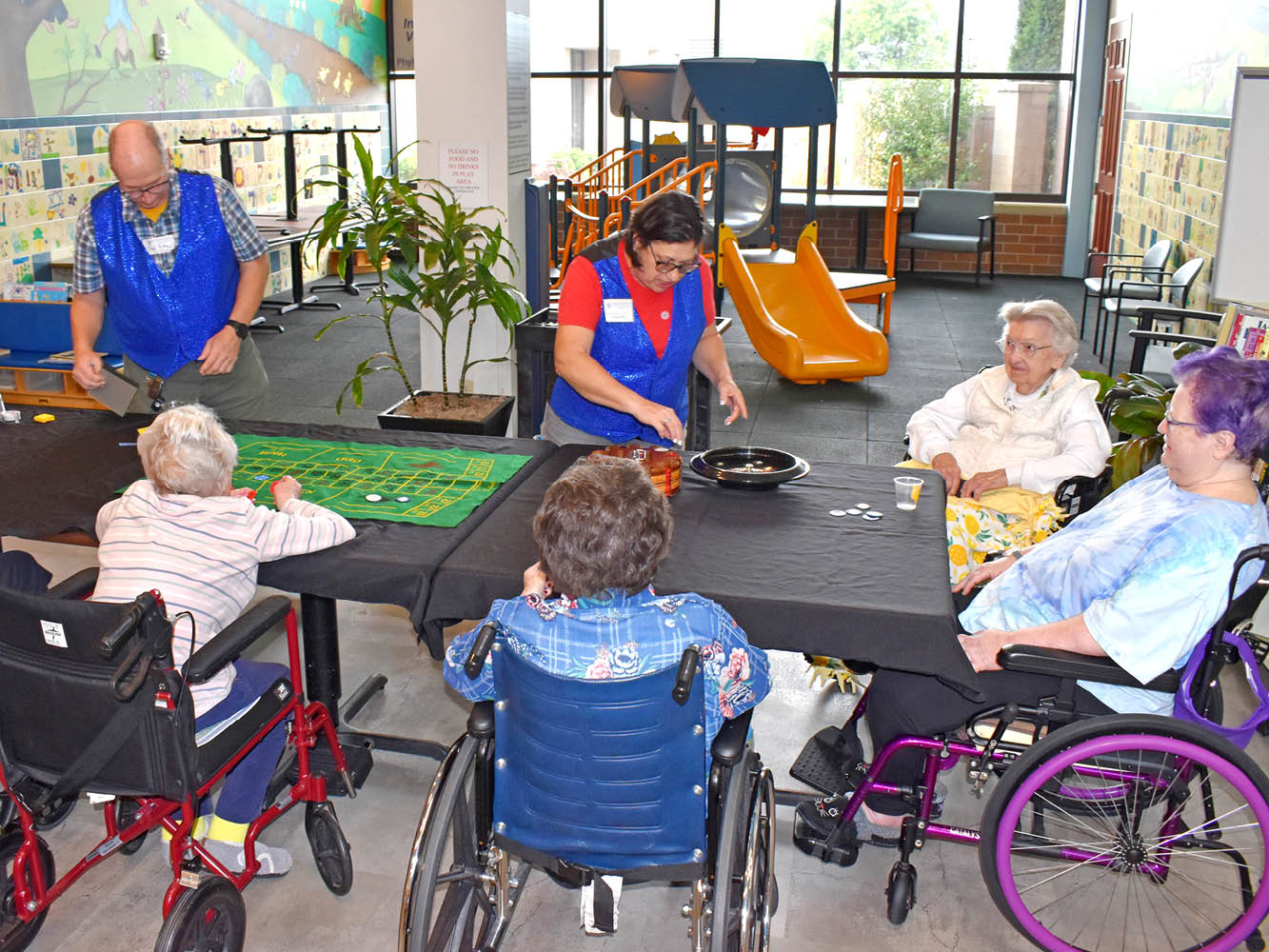
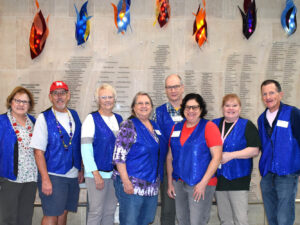
The Bel Canto Duo, featuring Darci Gamerl on oboe and David Downing on cello, presented Music We Remember, a beautiful performance filled with familiar melodies and cherished memories. Then Daybreak rocked the Home with feel-good music that had everyone smiling and enjoying the moment. We continued the celebration with the golden rock hits of Kyle Knapp, bringing even more energy to the room. And, of course, no celebration would be complete without the one and only Bill Chrastil, who delighted residents with tributes to some of the greats, including Elvis, Neil Diamond, Roy Orbison, Buddy Holly, and Willie Nelson. We also had a fun Casino Day with music by Barry Boyce. The Casino Party could not happen without the tremendous volunteers running the games.

We even managed to choose the perfect evening for an outdoor concert on the patio. After a summer filled with heat and plenty of rain, the weather cooperated beautifully. Milestones in Music, featuring Cathy Pacholski, Taylor Wyatt, and Fay Porter, provided the perfect soundtrack to a perfect evening under the stars.

September reminded us once again that music has a remarkable way of connecting people. A familiar song can bring back a memory, put a smile on someone’s face, or inspire everyone in the room to sing along. Most importantly, none of these special moments would be possible without the extraordinary generosity of our donors and the Jewish Federation of Omaha Foundation. Their support does much more than fund entertainment. For that, we offer our deepest and most heartfelt thank you to each of our generous supporters. You helped make September a month of absolute fun!

The Rose Blumkin Jewish Home is an agency of the Jewish Federation of Omaha. 
 

11/5/26

FROM THE NJHS ARCHIVES: PURPLE HEART & SILVER STAR
Read More

11/5/26

The Jewish Film Festival Celebrates 24 Years of Bringing Omaha’s Jewish Community Together
Read More

10/23/26

JCRC Receives National Grant to Strengthen Nebraska’s 2026 Elections
Read More

Open House Celebrates RBJH Expansion

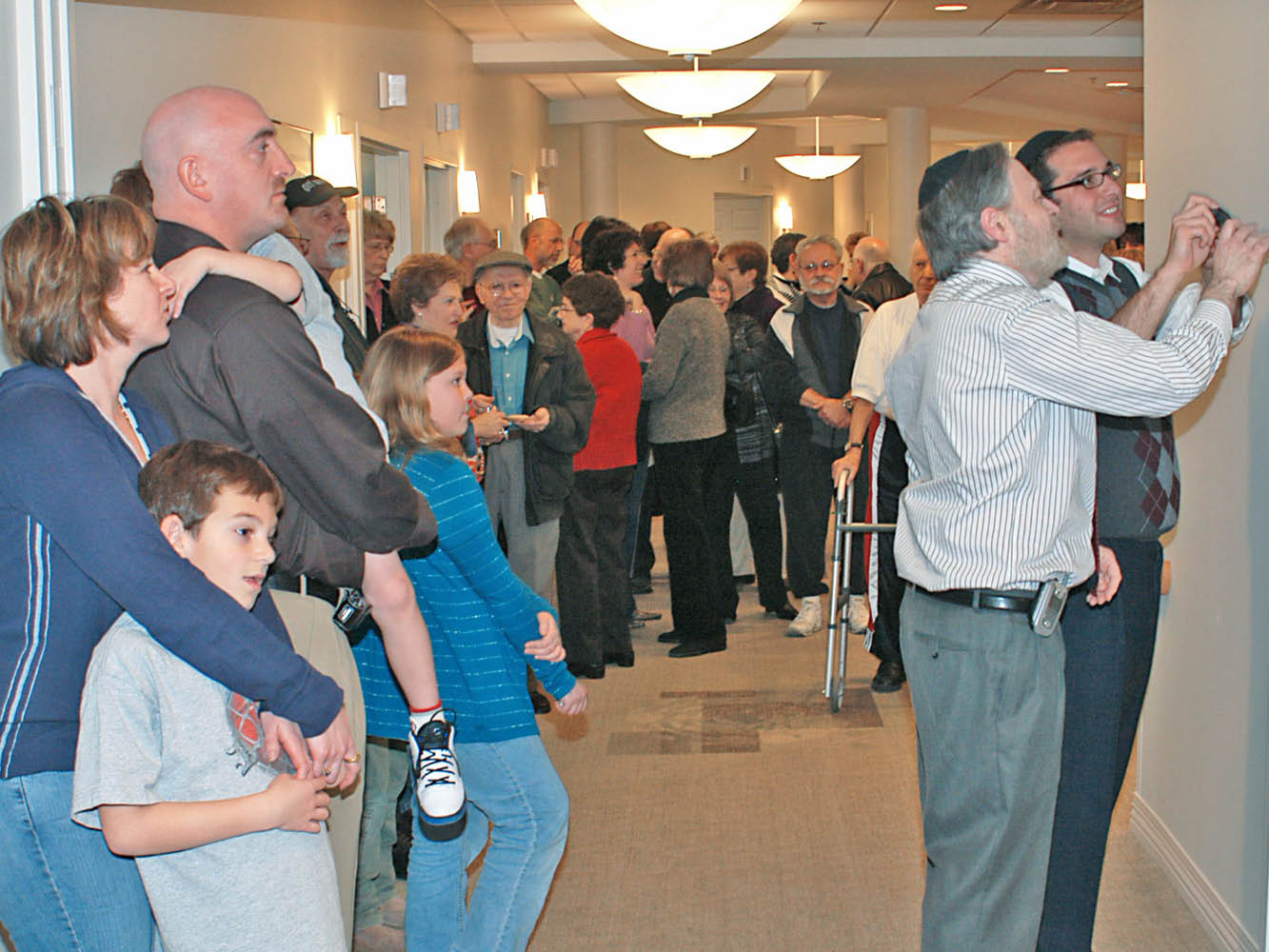
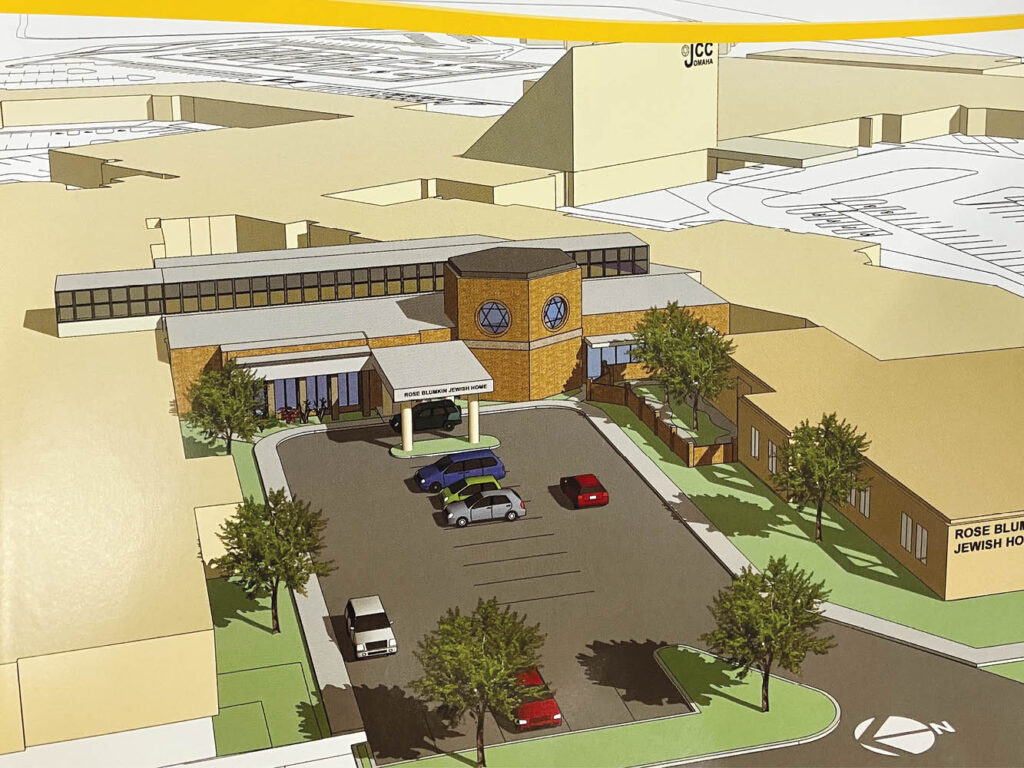
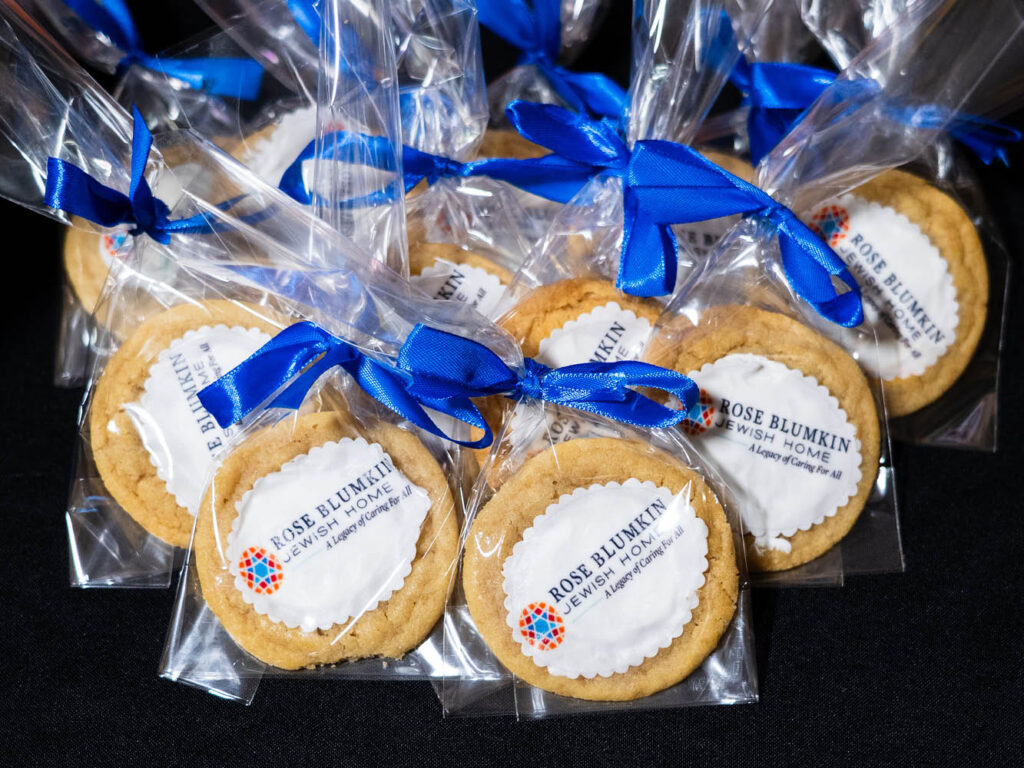
Over 225 community members celebrated the substantial completion of the new 28,000 sq. ft expansion of the Rose Blumkin Jewish Home on Sunday, August 30. Guests enjoyed light refreshments and self-guided tours of the new facility.

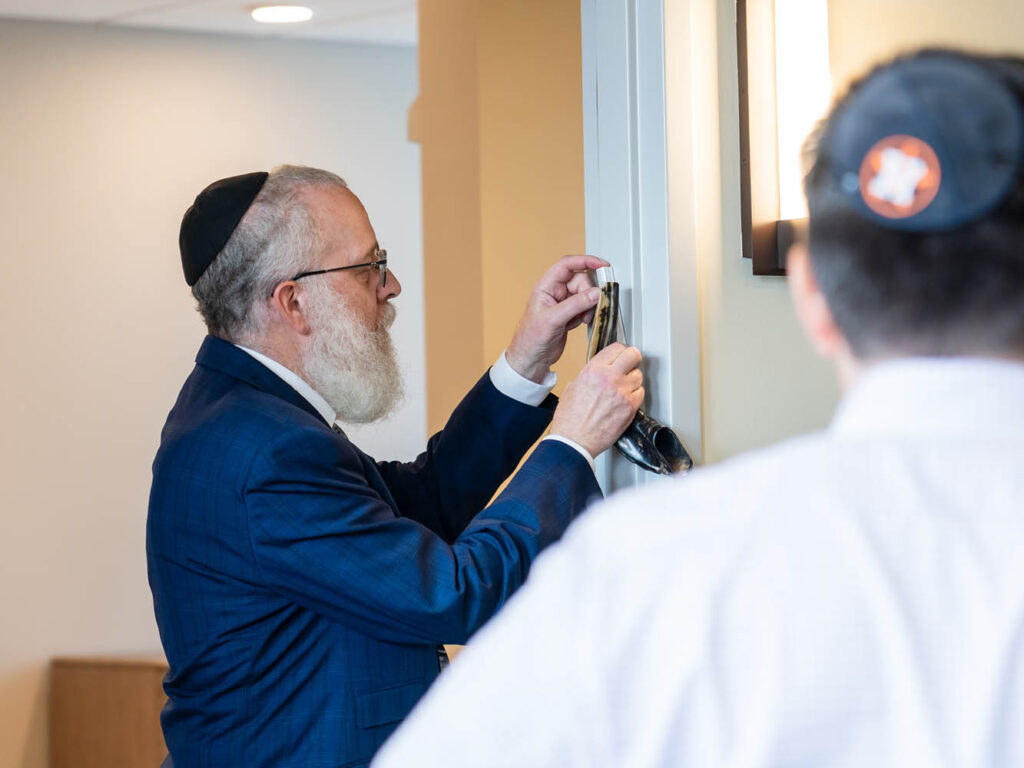
Bob Goldberg, Chief Executive Officer of the Jewish Federation of Omaha, delivered brief remarks before a ceremonial hanging of four mezuzahs. The mezuzahs were hung by Rabbi Benjamin Sharff, Senior Rabbi at Temple Israel, Rabbi Mendel Katzman, Executive Director of Chabad of Nebraska, Norm Sheldon, Chair of the RBJH Advisory Board, and Ron Feldman, Chair of the JFO Board of Directors. Rabbi Katzman also marked the new beginning by blowing the shofar.

“At the heart of this project is a commitment to preserving the privacy, dignity, comfort, and independence of both current and future residents,” Goldberg said. “This expansion represents an investment in our community and its future. It enables the Jewish Federation of Omaha to better meet evolving community needs while positioning the Rose Blumkin Jewish Home to continue providing compassionate, high-quality skilled nursing care for generations to come. Through the generous support of our community, we have made this vision a reality.”

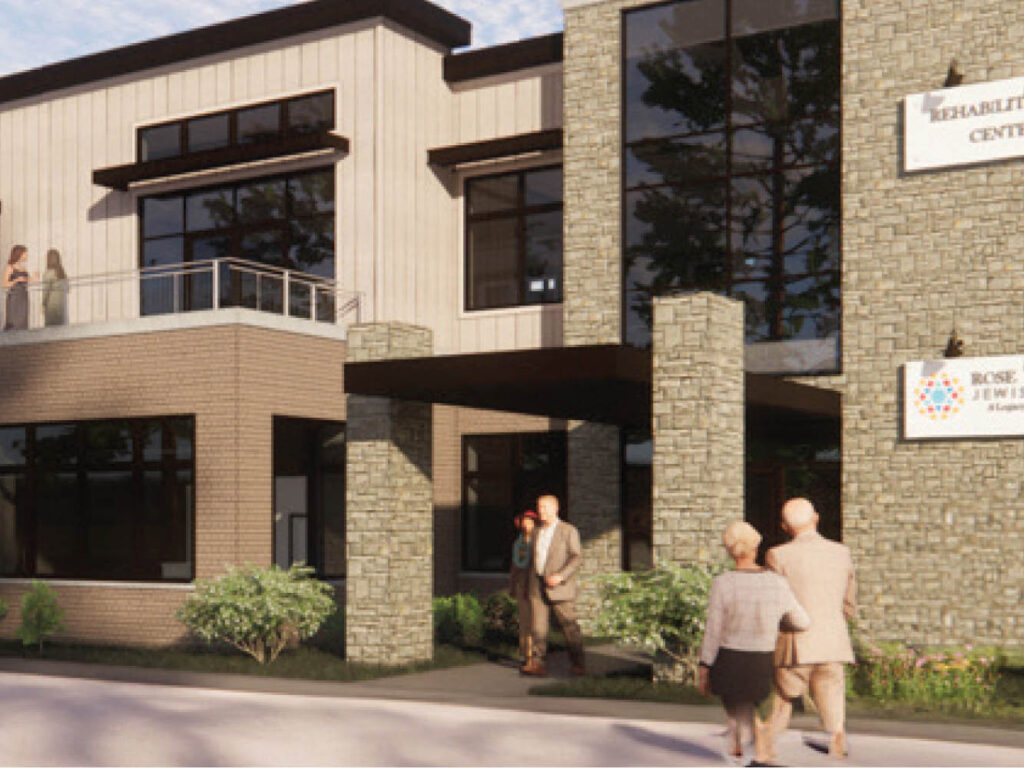
The new wing adds 32 rooms to the existing Rose Blumkin Jewish Home. The additional space will allow RBJH to transition to nearly all single-occupancy resident rooms – enhancing the comfort, privacy, and quality of life for all  residents. The expansion also introduces the new Alan J. Levine Rehabilitation Center, an area dedicated exclusively to short-term support, recovery and care.

These state-of-the-art facilities are a part of the broader experience families trust RBJH to provide; an environment where residents are not only cared for, but truly known, celebrated, and given opportunities to continue living meaningful and fulfilling lives.


11/5/26

FROM THE NJHS ARCHIVES: PURPLE HEART & SILVER STAR
Read More

11/5/26

The Jewish Film Festival Celebrates 24 Years of Bringing Omaha’s Jewish Community Together
Read More

10/23/26

JCRC Receives National Grant to Strengthen Nebraska’s 2026 Elections
Read More

RBJH: A Legacy We Proudly Carry Forward – Part IV

As we prepare to open the new addition to the Rose Blumkin Jewish Home, we are running a series of articles reflecting on our community’s history of senior care. To help us fully understand the significance of where we are today, this series will look back at the journey that brought us here and the previous generations who made this moment possible. Special thanks to the Nebraska Jewish Historical Society archives and Jewish Press archives for providing source materials for this article.

Part 4: 2010 – Present

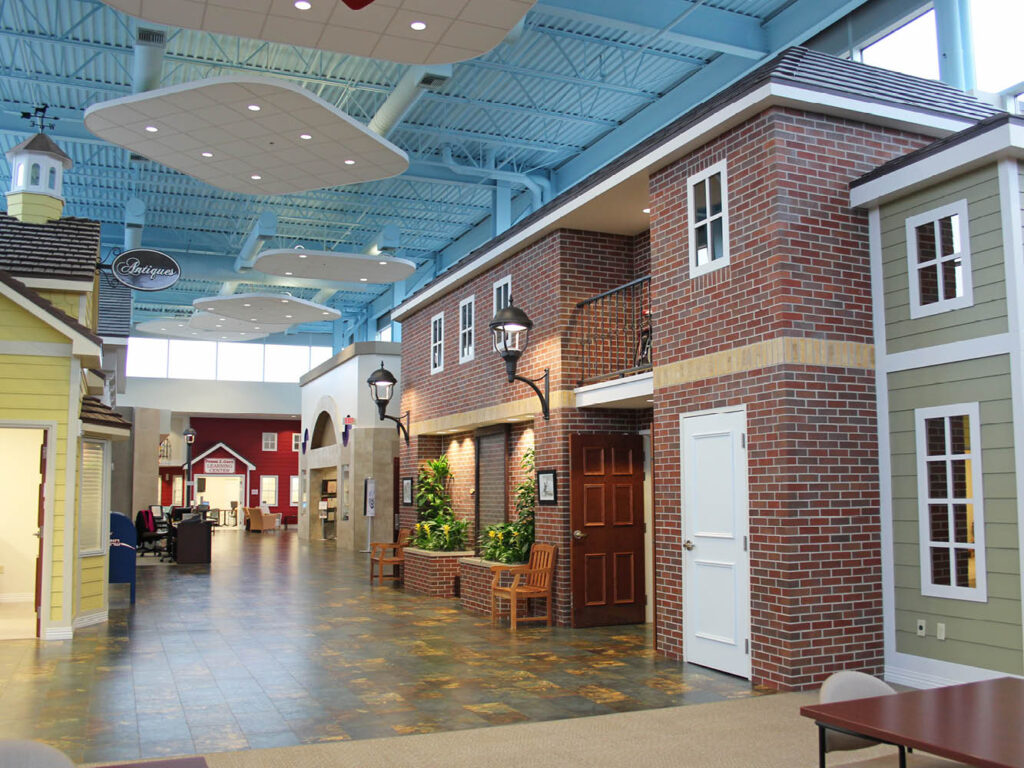
After its completion in 2010, the popularity of the renovated Rose Blumkin Jewish Home was immediate. RBJH now provided 24-hour licensed nursing care, long-term residential care, short-term rehabilitation, respite care, and hospice care in their beautiful new surroundings. The revolutionary Main Street concept was something Omaha’s senior care community had never seen.

The combination of quality care and comfortable surroundings once again increased consumer demand. By 2017 RBJH was facing a growing waitlist. Chris Ulven, who had taken over as Executive Director of the Rose Blumkin Jewish Home in 2016, knew it was something that needed to be addressed. Continuing to meet the changing needs of residents required growth and adaptability. RBJH had come a long way, but senior care was constantly evolving. Ulven and Jeff Kirshenbaum, then Jewish Senior Service Board co-chair, began evaluating their options. They looked at locations for expansion, gathered feedback, and brainstormed ways to modify the facility. A prominent piece of feedback that kept arising was resident room sharing.

“Market research was clear that Baby Boomers would not settle for semi-private rooms,” Ulven said. “They want their own space. Plus, data shows the mental and physical health of residents can improve when they are given greater privacy. When you think about the people we serve, most have been living by themselves for years,” he continued. “To ask them, at 85 or 90 years old, after 20 years of living alone, to have a roommate and expect it to be successful is nonsensical. Plus, the day-to-day roommate issues that our staff were having to deal with were constant. Most of these disputes resulted in us having to separate roommates, which was time consuming and logistically very challenging.

The research reports, trends in healthcare, and roommate issues strongly supported the case for adapting RBJH, but the most important factor in moving forward was community need.

“Having community members choose other providers because we didn’t have a private room available was difficult,” Ulven said.  “Most were short term cases who needed therapy before going back home, but it always felt like we were letting the community down when we couldn’t provide what was desired.”

The project committee interviewed architects and eventually selected Community Living Solutions to draft conceptual drawings based on their ideas. The goals started to crystalize with three main areas coming into focus. One: transition to private rooms to provide greater independence, respect, and dignity for residents.  Two: separate long-term and short-term residents and take short-term rehab to the next level. Three: bolster sustainability to ensure RBJH remains a trusted source of care for future generations.

“The sustainability model of RBJH has suffered since COVID,” Ulven said. “It currently costs us over $400 a day to care for a resident. After COVID people did not choose communal living for quite some time. The industry is just now beginning to see pre-pandemic census numbers again.”

The pandemic of 2019 was a major obstacle that left lasting ramifications. The first phase of the project was just about to begin when COVID hit. Everything was brought to a standstill.

“We were getting ready to replace flooring when COVID hit,” Ulven said.  “Everything was placed on hold for 4 years. The cost of materials went up significantly. Supply chain issues were a challenge too. We had plenty of obstacles along the way, but early on we asked for, and received, help from some very smart business people. They helped us vet this project from a cost standpoint and as a business model. A lot of re-evaluations came from these meetings. I’m thankful every day that we did this. Because of their involvement, we generated a highly polished model, much better than what we started with,” he said.

When pandemic restrictions lessened and the committee had total faith in their business model, fundraising began. In the fall of 2023, the Jewish Federation of Omaha announced the “Enhancing Quality of Life” Campaign. It sought to elevate the quality of life for community seniors, ensure RBJH services were tailored to the next generation of residents, and to keep RBJH financially viable in the future. $23 million dollars was needed. Jan Goldstein, Bruce Friedlander, Norm Sheldon, and Marty Ricks led the campaign. Jon Meyers helped oversee and manage the project.

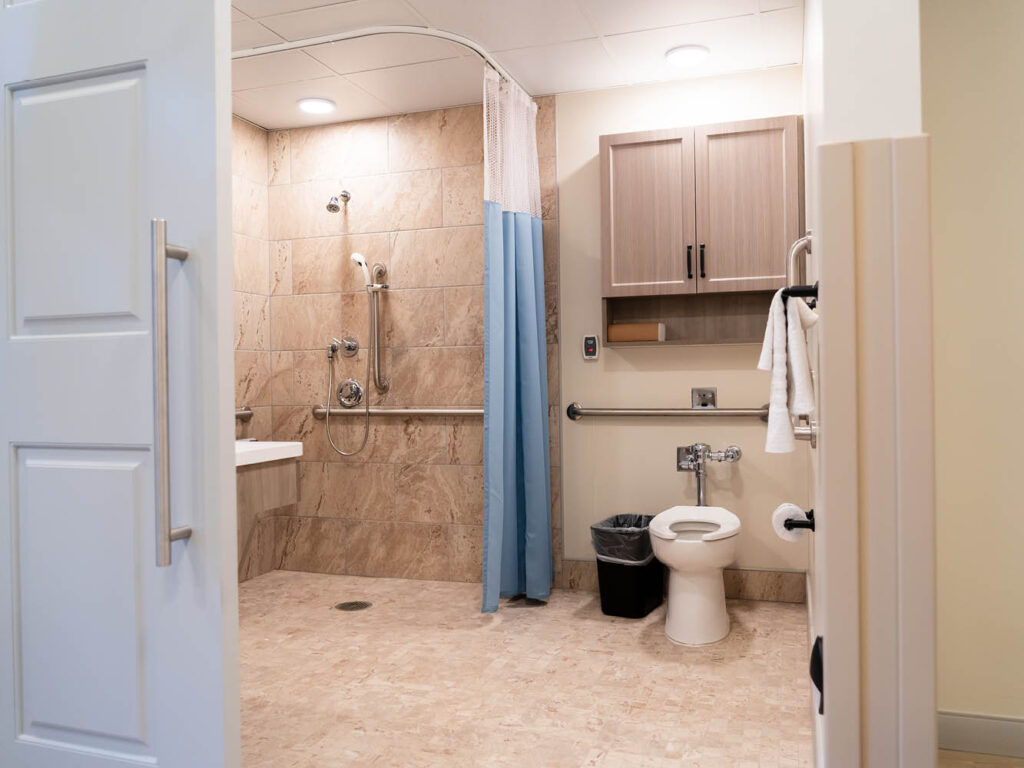
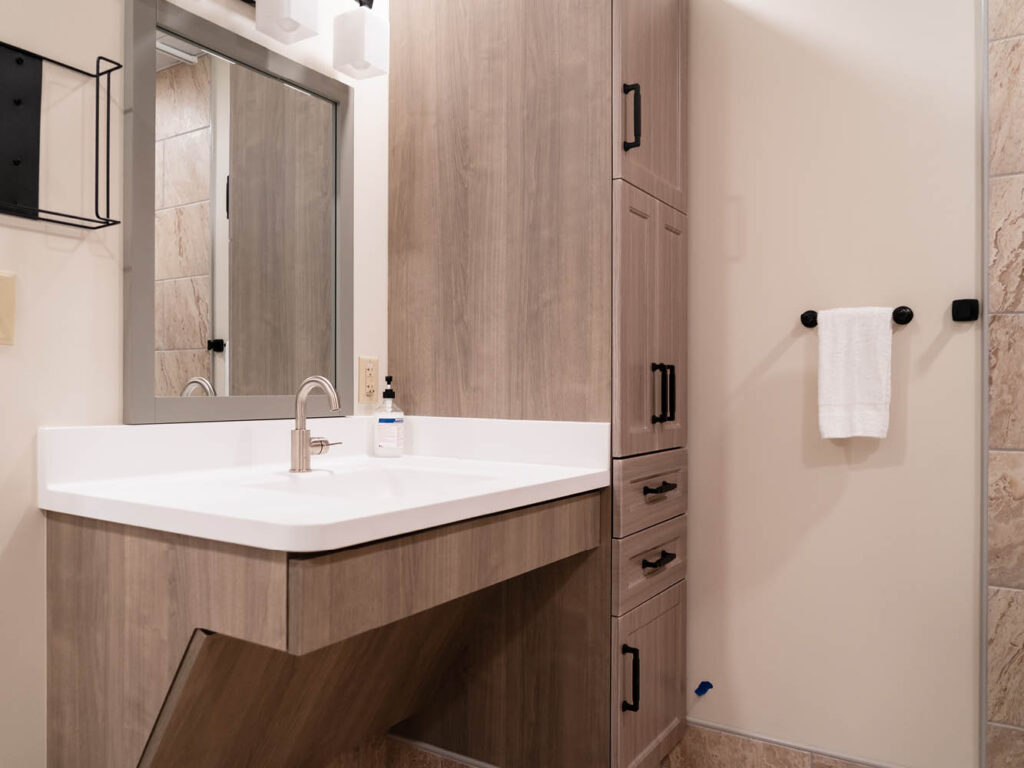
The creation of a new wing was a key focus. Plans called for the new wing to include a separate entrance, new dining room, rooftop balcony, and spacious 400 square foot rooms with private bathrooms, and private wi-fi. It would also feature a new short-term rehabilitation area with cutting edge equipment, including an AlterG Anti-Gravity machine.

Fundraising continued for three years before the goal was achieved. The community response was strong. The estate of Alan J. Levine pledged 4 million dollars towards the project. After this contribution, the second floor of the new wing was named the Alan J. Levine Rehabilitation Center at the Rose Blumkin Jewish Home. Community champions Tom Fellman and Howard Kooper (of blessed memory) also provided a “100 Days of Giving” dollar-for-dollar gift matching opportunity, helping the campaign end strong.

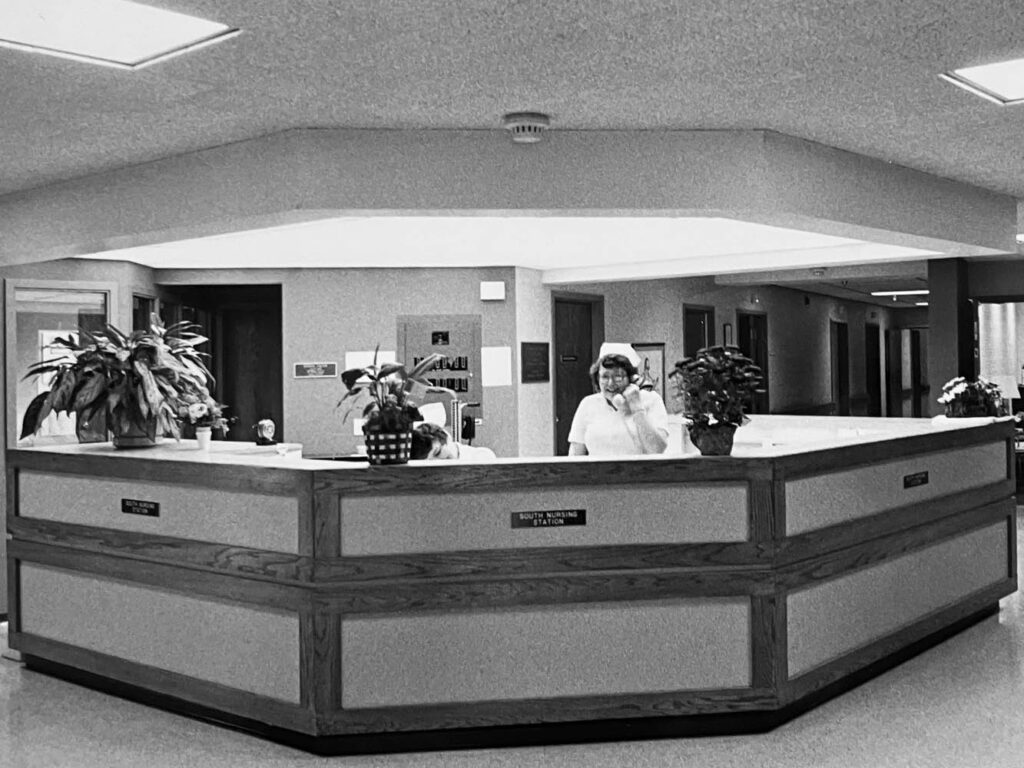
The project was broken up into three phases. Thanks to JFO Foundation endowment funds, phase one began before fundraising was complete. It included the modernization of existing spaces and the relocation of some nurses’ stations, allowing staff to be closer to the residents.

Phase two began in the fall of 2023. It included all the civil prep work necessary for the expansion. The road adjacent to RBJH was widened for access and parking. Improvements were also made to the campus stormwater management system.

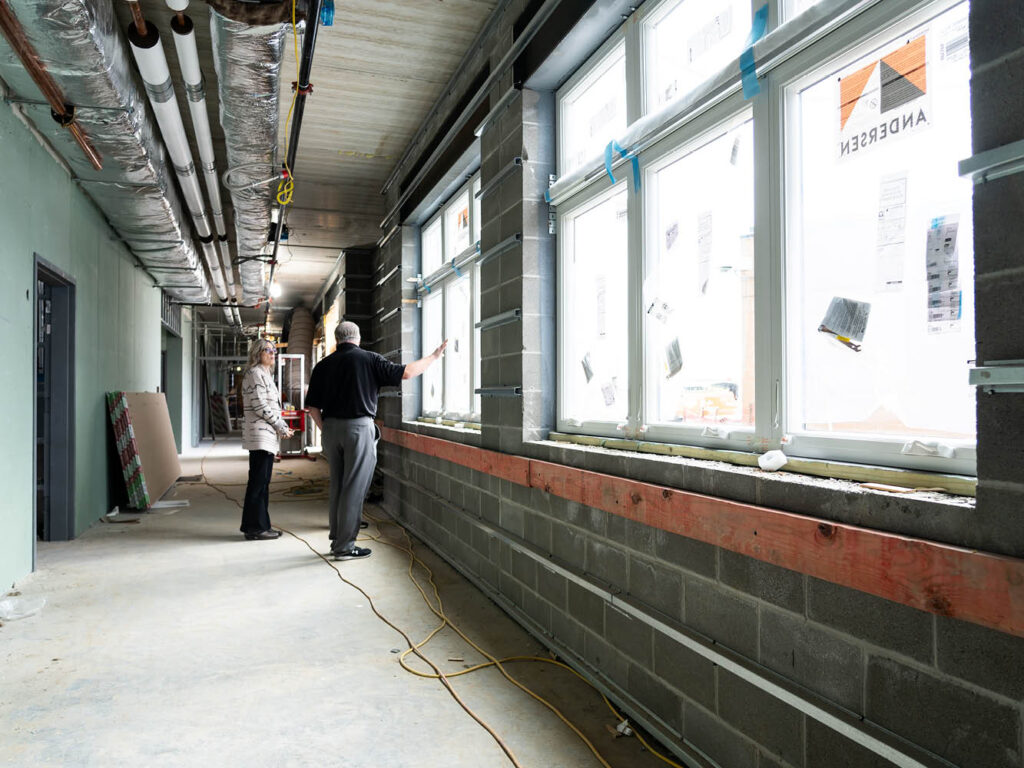
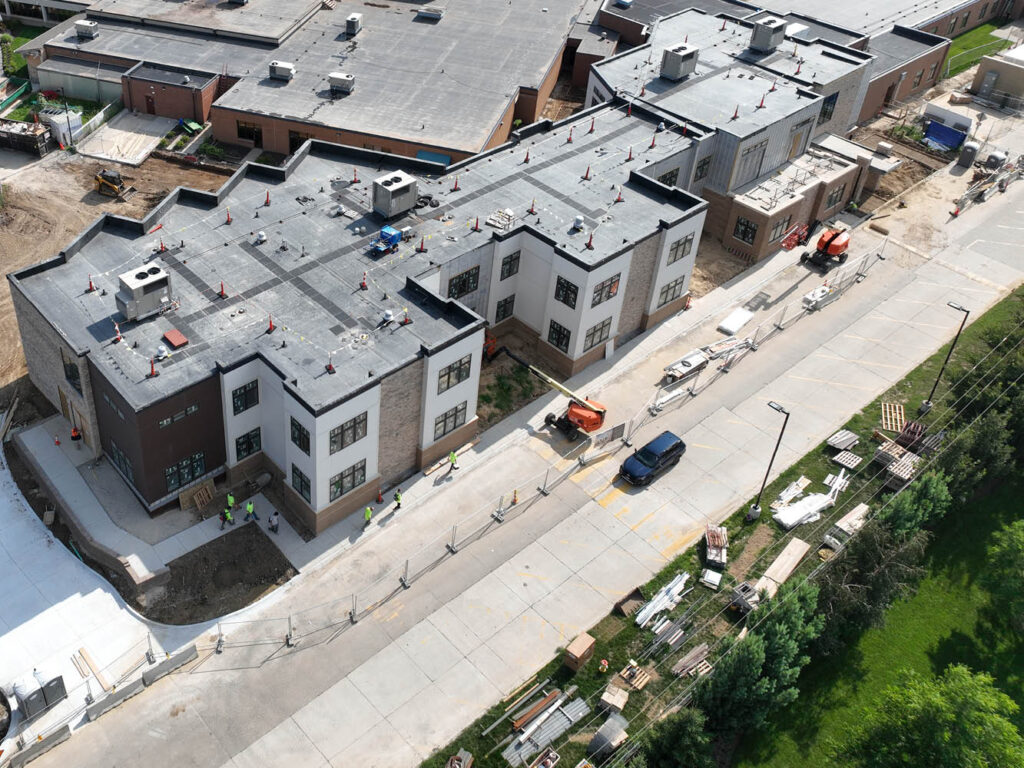
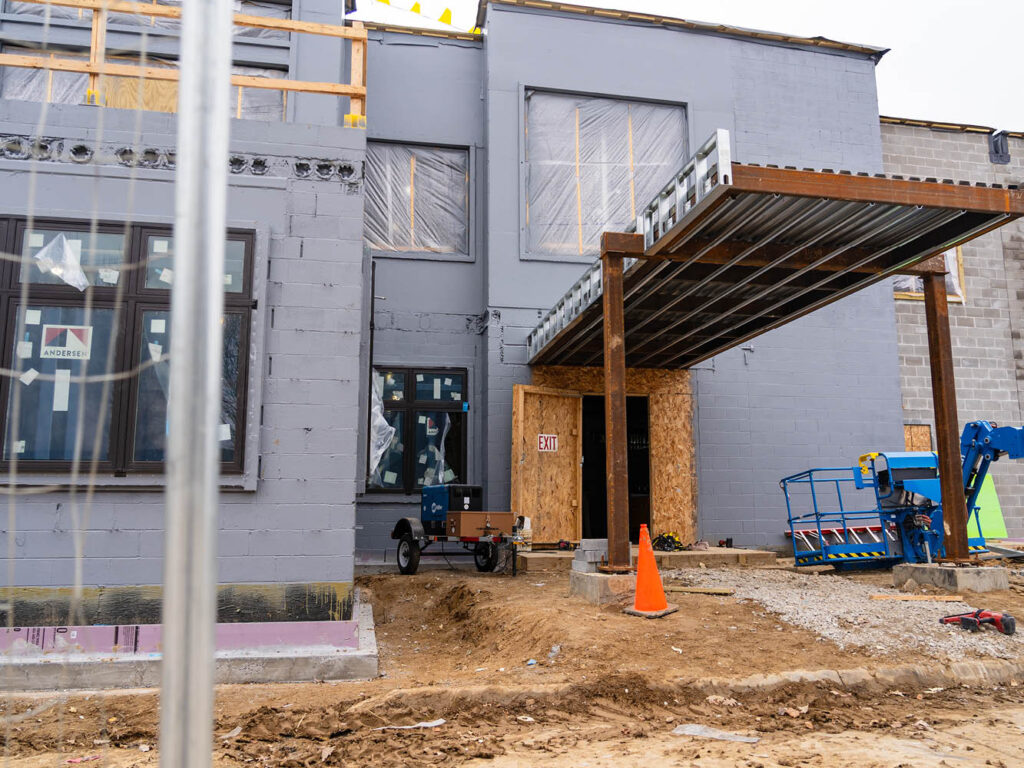
The third and final phase, construction of the new wing, broke ground on June 22nd, 2025. It would cover approximately 28,000 square feet and contain 32 new rooms. This expansion would allow for nearly all existing resident rooms to be converted into single-occupancy spaces. Substantial completion was projected for the fall of 2026. When complete, the Rose Blumkin Jewish Home would have 110 beds.

Final touches will include updated signage and the addition of a new donor wall on Main Street. The donor wall will recognize contributions of $180 or more made to the Enhancing Quality of Life Campaign. Estimated completion of the donor wall is set for this winter.

“This entire project took nine years from thought to completion,” Ulven said. “We couldn’t have done it without the support of everyone involved in the Enhancing Quality of Life campaign and project. Our community members, our lay leaders, our staff, and our volunteers made this happen.” he said.

As he looks to the future, Ulven recognizes that balancing supply and demand within the senior care industry is a delicate dance. Expectations for senior care evolve with each generation. It is projected by 2050, seniors will account for more than 21% of the total population. Advancing technology is also predicted to bring big innovations.

“I think the future of senior care will look substantially different, even ten years from now,” Ulven says. “The use of technology, AI, and robotics will become the norm as our industry struggles to find nursing staff. Regardless,” he continued, “my job is to make sure RBJH is in the best possible position it can be in. No matter what may come our way, we will continue to provide compassionate care that empowers residents to live each day in comfort with purpose and dignity.”

The Jewish Federation of Omaha proudly invites the community to celebrate substantial completion of the new wing and the Alan J. Levine Rehabilitation Center at the Rose Blumkin Jewish Home. An open house will be held Sunday, August 30th from 11:00 a.m. – 1:00 p.m. Those in attendance will get the first look at the new facilities before they open for use. RSVPs are required and can be completed at www.jewishomaha.org.


11/5/26

FROM THE NJHS ARCHIVES: PURPLE HEART & SILVER STAR
Read More

11/5/26

The Jewish Film Festival Celebrates 24 Years of Bringing Omaha’s Jewish Community Together
Read More

10/23/26

JCRC Receives National Grant to Strengthen Nebraska’s 2026 Elections
Read More

RBJH: A Legacy We Proudly Carry Forward – Part III

As we prepare to open the new addition to the Rose Blumkin Jewish Home, we reflect on our community’s history of senior care. To help us fully understand the significance of where we are today, this series will look back at the journey that brought us here and the previous generations who made this moment possible. Special thanks to the Nebraska Jewish Historical Society archives and Jewish Press archives for providing source materials for this article. 


Part 3: 1990 – 2010

“To be the best. That is our goal,” said Eugene Brandt, Executive Director of the Rose Blumkin Jewish Home in 1994.

Since its opening in 1982, RBJH had set the standard for quality care. The Home built a superior reputation throughout the medical community, earning the praise of industry professionals.

The growth at RBJH reflected societal advancements. The 90s had been a decade of change seeing the collapse of the Soviet Union, the Gulf War, the sale of the first flip phone, and the birth of the world wide web. The digital information age had begun and technology was rapidly advancing. The pressure to keep up with these advancements, combined with shifts in resident demographics and reforms on government funding, challenged the financial stability of the Home.

The cost of maintaining RBJH without letting it go downhill was substantial. By 1994 it cost $3,800,000 a year to sustain operations, an average of $33,000 per resident. No other nursing homes in Omaha provided the same breadth of services as RBJH. Daily room rates included meals, wheelchairs, walkers, oxygen, IVs, personal hygiene supplies, van transportation, etc.  Annually, the dietary department was making 125,000 meals and 42,000 afternoon snacks.

The average age of incoming residents was also increasing due to assisted living, home health care, and other senior services. Those who were admitted to nursing homes usually had four or more chronic conditions, requiring a higher level of care. Health care reform put state and federal support for nursing homes under scrutiny. Medicare reimbursements totaled 2% of the Home’s income, barely enough to cover expenses. All of these factors resulted in RBJH relying on endowment funds to keep rates affordable.

Jerry Dann, past president of the Bureau for The Aging, along with board members Bert Lewis and Stan Silverman spearheaded an endowment fund drive. Norman Veitzer, chairman of the Board of Trustees of the JFO Foundation, and Sheldon Bernstein, Endowment Director, worked to protect and nurture the growth of funds set up to benefit RBJH and all other agencies of the JFO. The endowment fund drive emphasized community generosity as the starting point.

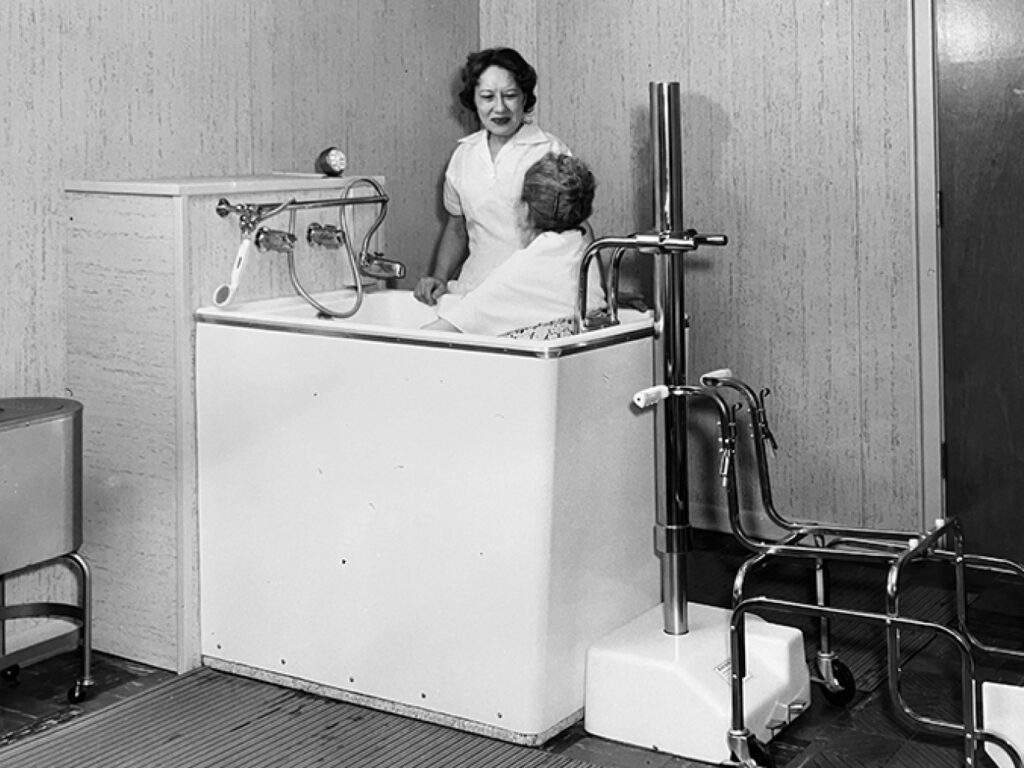
RBJH worked closely with the JFO Foundation. Supporting or creating endowment funds would help maintain facility operations while also honoring loved ones by keeping their values alive. Using existing endowment funds as examples, the committee illustrated how contributions could be both personally fulfilling and beneficial to the community. The Ernie I-Go Nogg Memorial Fund had recently provided an ice cream machine for the Home, symbolic of Ernie’s desire to make people feel good.  The Frohm Repair Endowment Fund allowed for the replacement of lifts needed to help move residents, symbolic of the family’s commitment to community care. The Sara Rose Woskoff Arts and Crafts Resource Fund provided residents with art supplies, art programs, and intergenerational classes, symbolic of the joy Sara had found when she led residents in creative art projects. The collective impact of these gifts enriched the lives of residents and inspired community participation in sustaining the Home.

In 1998, Steve and Marcia Pitlor, along with Patty and Steve Nogg, led a $5 million community campaign for additions and improvements to the Jewish Community Center. In 1999, the Phil Sokolof Fitness Center opened. With new improvements across campus, attention soon turned to the Blumkin Home.

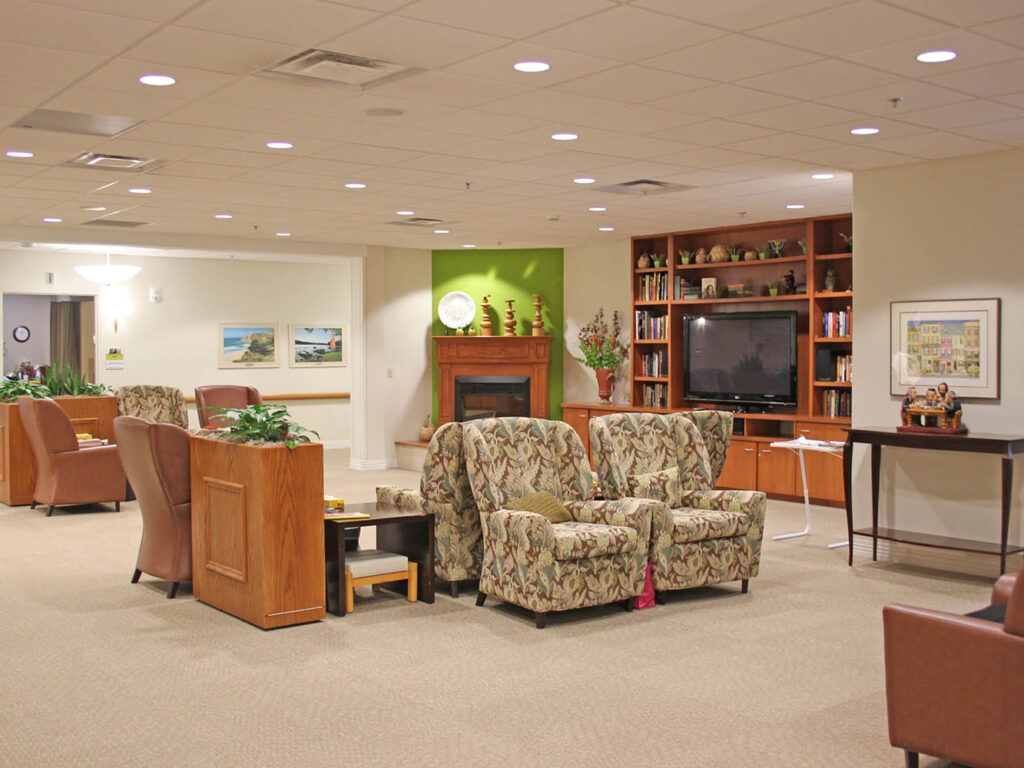
In 2002, Michael Silverman took over as the Executive Director of Jewish Senior Services, and discussions of a “new” Blumkin Home began. Howard Kooper, Joanie Bernstein, Bob Lepp, Bob Belgrade, Harlan Noddle, and Jan Goldstein formed a steering committee. The committee wanted to determine whether the existing facility and services would satisfactorily meet future demand. They found seniors wanted a space where their medical concerns could be managed, but in a place that felt like home. In short, the needs of the current population were different from those the building was originally designed to serve.

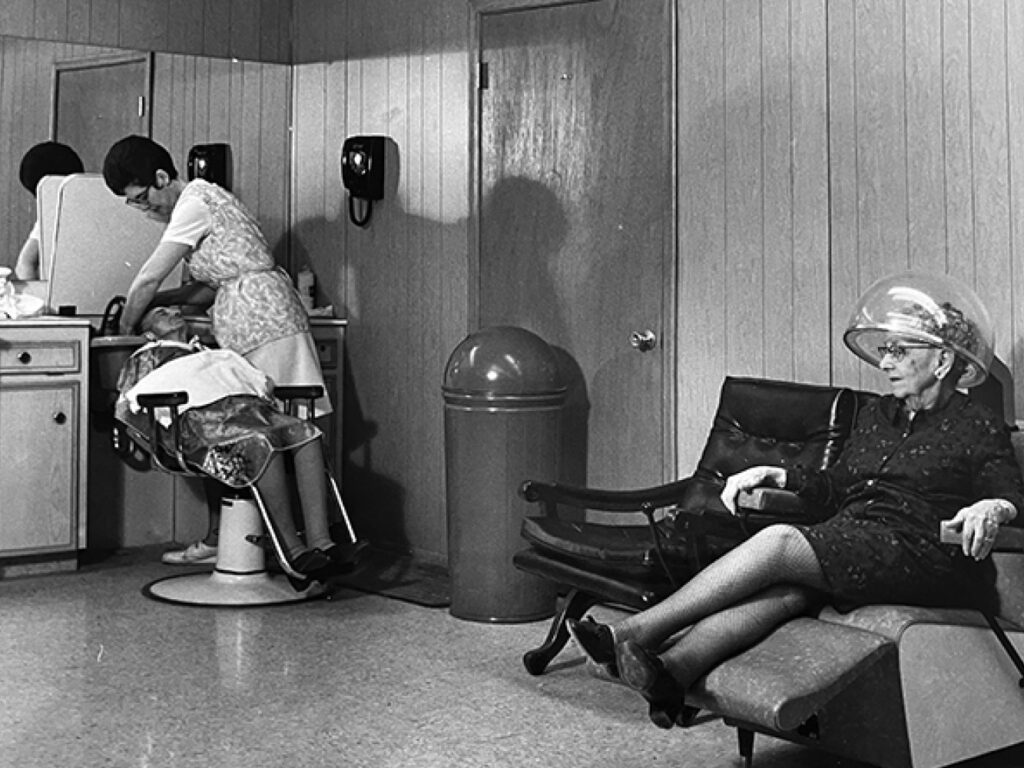
It had been twenty years since the opening of RBJH. State-of-the-art nursing home facilities built in the early 1980s prioritized medical needs almost exclusively. RBJH had been designed on the hospital model. Long hallways, challenging for both residents and nurses, and an overall institutional feeling were disadvantages of this model. National trends in senior health care had shifted toward the hospitality industry, revolutionizing nursing home design.

“These details wouldn’t matter for a few days at a time, but if you’re moving somewhere to live, you want it to feel like home,” Silverman told The Jewish Press in a 2005 interview. “The institutional design of the current facility interferes with the level of control residents want over their lives. Families want this for their loved ones as well.”

In 2005, the Jewish Federation of Omaha approved the “New Beginning” campaign. Plans sought to usher in a new era of senior care by “rebuilding, remodeling, renovating, and expanding” the current facility. The focus was on comfort, beauty, and ambiance. Paul and Sandy Epstein and Richard and Joanie Jacobson lead the community-wide fund raising campaign. The campaign included the refurbishment of resident rooms, new family-style dining rooms, and bright, open spaces with greenery and artwork. Plans also called for a 20,000-square-foot expansion that would house a short-term care area and a 25-bed Special Care Unit. The concept of a “Main Street” design was selected for the building’s center to highlight the importance of connecting with community. All plans were chosen with the comfort and safety of the residents in mind. The first step, prior to formal construction, was the creation of two prototype resident rooms. Built according to architectural plans, the rooms were piloted to test the layout with staff, residents, and community members.

The “New Beginning” project was estimated to cost $18 million. The contract was awarded to Hawkins Construction Company. The JFO Foundation, now under the leadership of Marty Ricks, continued to play an important role. Preliminary construction started in the fall of 2006. Work took place over the next four years in three phases. Phase One included the transformation of rooms on the existing southwest corridor. Phase Two included the expansion of rooms in the northwest wing and the building of a new kitchen. Phase Three included the removal of the existing kitchen, relocation of the therapy suite, and renovation of fourteen rooms in the north hall.

Plans originally called for 96 beds. During construction, it was increased to 105. Upon completion of the resident rooms, work began on Main Street. It was the final portion. The “New Beginning” project was completed in 2010. RBJH was now a modern, full-service facility offering personalized care to residents of all backgrounds and faiths.


11/5/26

FROM THE NJHS ARCHIVES: PURPLE HEART & SILVER STAR
Read More

11/5/26

The Jewish Film Festival Celebrates 24 Years of Bringing Omaha’s Jewish Community Together
Read More

10/23/26

JCRC Receives National Grant to Strengthen Nebraska’s 2026 Elections
Read More

RBJH: A Legacy We Proudly Carry Forward – Part II

As we prepare to open the new addition to the Rose Blumkin Jewish Home, we will be running a series of articles reflecting on our community’s history of senior care. To help us fully understand the significance of where we are today, this series will look back at the journey that brought us here and the previous generations who made this moment possible. Special thanks to the Nebraska Jewish Historical Society archives and Jewish Press archives for providing source materials for this article. 

Part 2: 1950 – 1990

After its opening in 1948, demand for the Dr. Philip Sher Home for the Aged continued. By the 1950’s the national popularity of nursing home facilities was surging, thanks in part to new government grants. Residents of the Dr. Sher Home were now being housed in the medical quarters – an area meant exclusively for treatment of the sick. In 1956, the Sher Home announced a campaign for a new, $60,000 wing. Eight additional rooms and a porch were added.

1961 saw further expansion. The families of Mr. and Mrs. Louis Cherniak donated funds for a new wing. Known as the Cherniak-Chapman Pavilion, it had 12 private rooms. An additional gift from Mr. and Mrs. Hymie Milder also helped extend the services available at Sher.

Over the next few decades, specialized senior care and assisted living facilities became commonplace. The creation of Medicare and Medicaid in 1965 made healthcare more readily available to seniors. Stronger government regulations on nursing home care bolstered consumer confidence and further strengthened demand. Quality care for the elderly remained a top propriety for the Jewish Federation of Omaha.
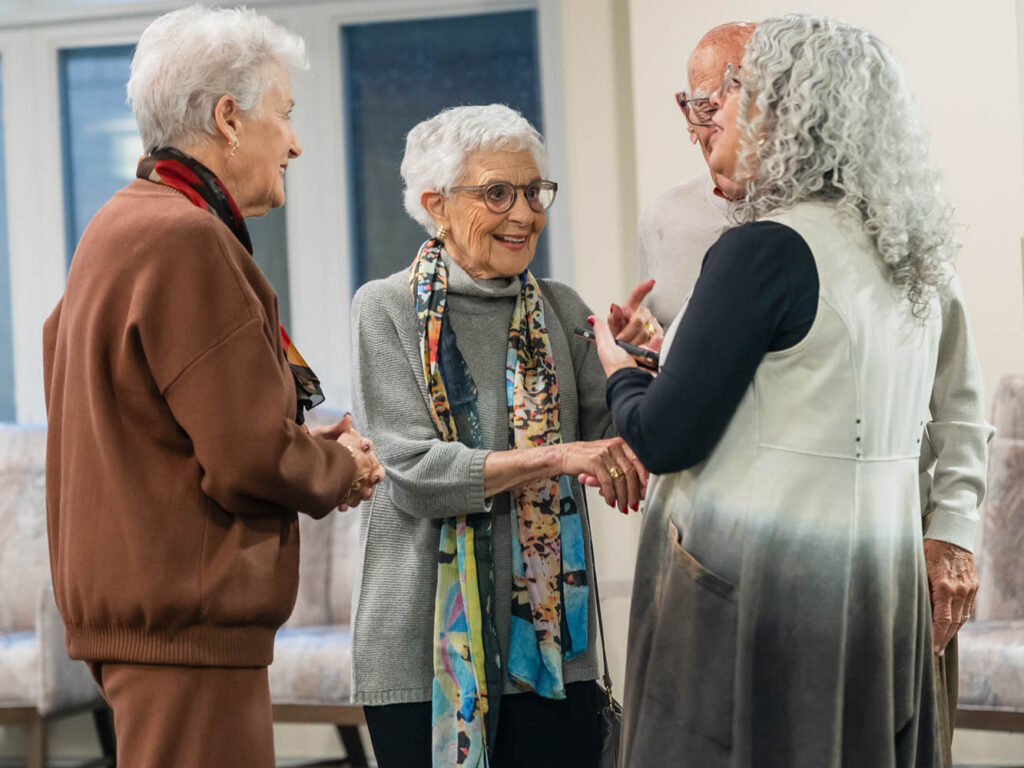
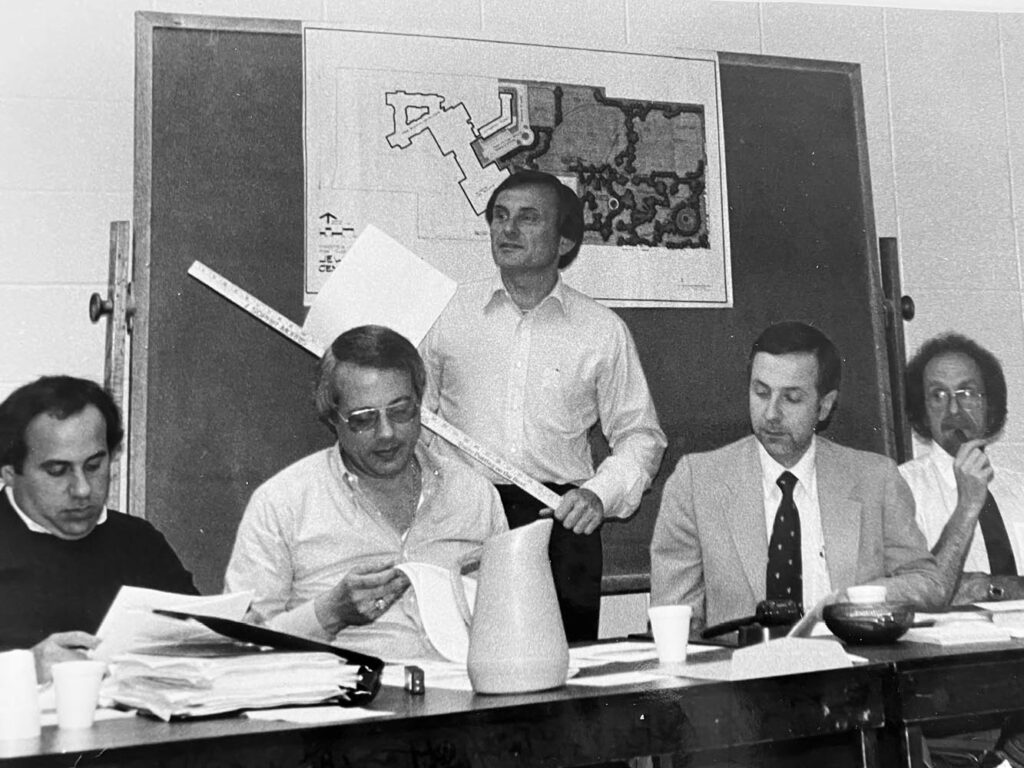
In 1980, the Federation announced a plan for a new Center for the Aging. The Sher Home, now over 30 years old, needed to evolve. Federation President, Joe Kirshenbaum, announced Harlan Noddle and Isadore Tretiak as co-chairmen of the Center for the Aging project. Members of the Steering Committee included Leonard (Buddy) Goldstein and Nancy Greenberg.

The goal was to build a new facility at a central location that included a skilled nursing facility for up to 80 residents and a 52-unit apartment building for the well-elderly. Both were to be built on the same campus the Omaha Jewish Community Center had moved to in 1974. The Sher Home would be sold upon completion of the new building.

Mary Fellman, past president of the Federation, said the focus was on present and future needs. “The Dr. Sher Home has served us well  but no longer meets all the standards of care for today. During the past 25 years, older people became younger in spirit … their need to fill leisure hours is more obvious.” Fellman also referenced a demographic survey showing 20 percent of the Jewish community was over the age of 60.

In 1981, the Federation approved plans as presented by the project committee and architect Roger Schutte. Authorization was given to launch a $3.6 million dollar campaign, including an endowment.

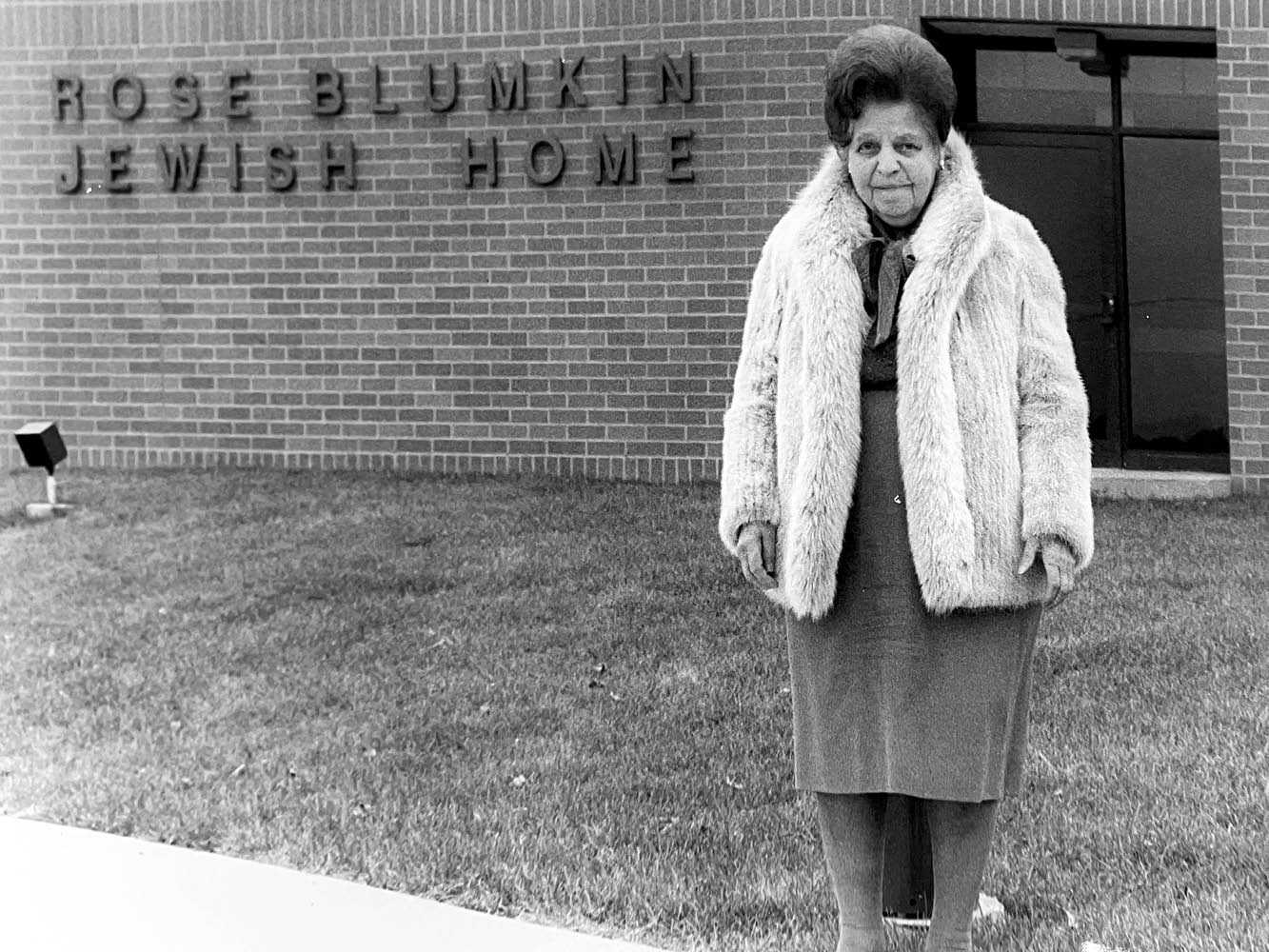
Meanwhile, 64 years after her arrival in America, the great success of Nebraska Furniture Mart put Rose Blumkin and her family in the position to make a substantial gift to the collective Jewish community. The family pledged 1 million dollars to the project. It was the single largest philanthropic gift ever made to the Jewish Federation of Omaha.
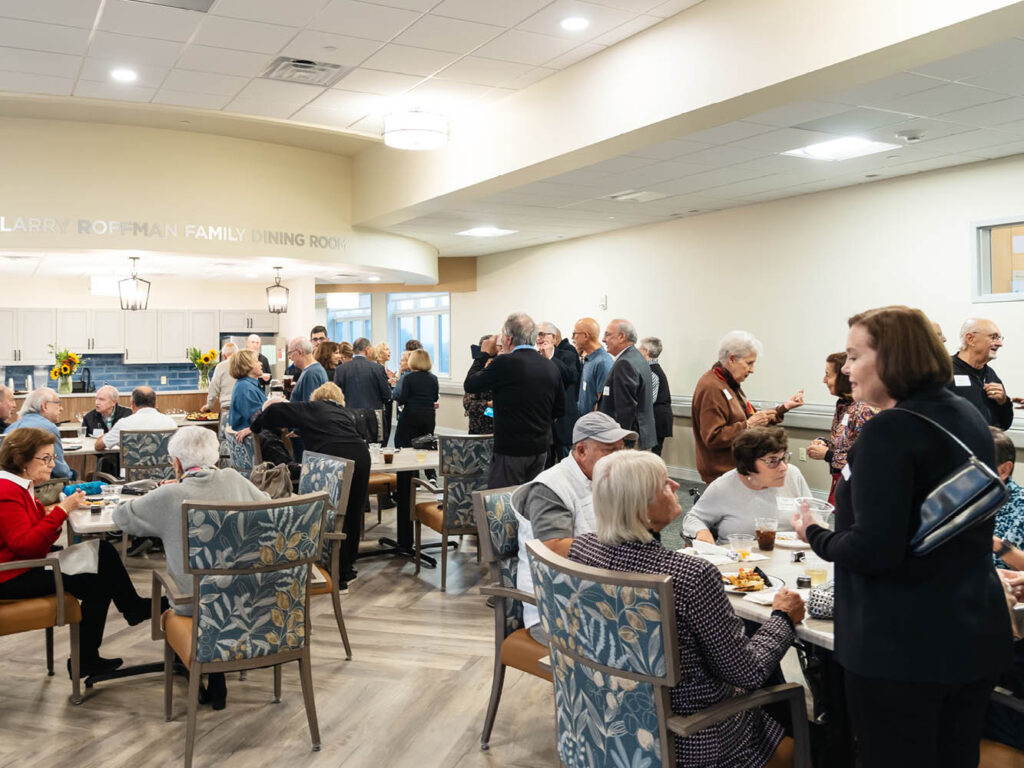
“I came from Russia without any money to a wonderful country, and I was lucky enough, to make a success,” Mrs. B said in an interview with the Jewish Press in 1981.  “I respect elderly people… I want elderly people to be treated right. So, I want to give my love to the elderly people especially those who have no-one to care for them… Let people think before they die to do the best they can for others while they are still alive… A new home for the elderly will be like adding life to their years. They deserve a place to live in comfort and dignity, and having the Home with the JCC will be like reuniting the Jewish family — all the generations will be coming home.”

Upon this remarkable gift, the JFO Board unanimously approved the naming of the nursing home as “The Rose Blumkin Jewish Home”.

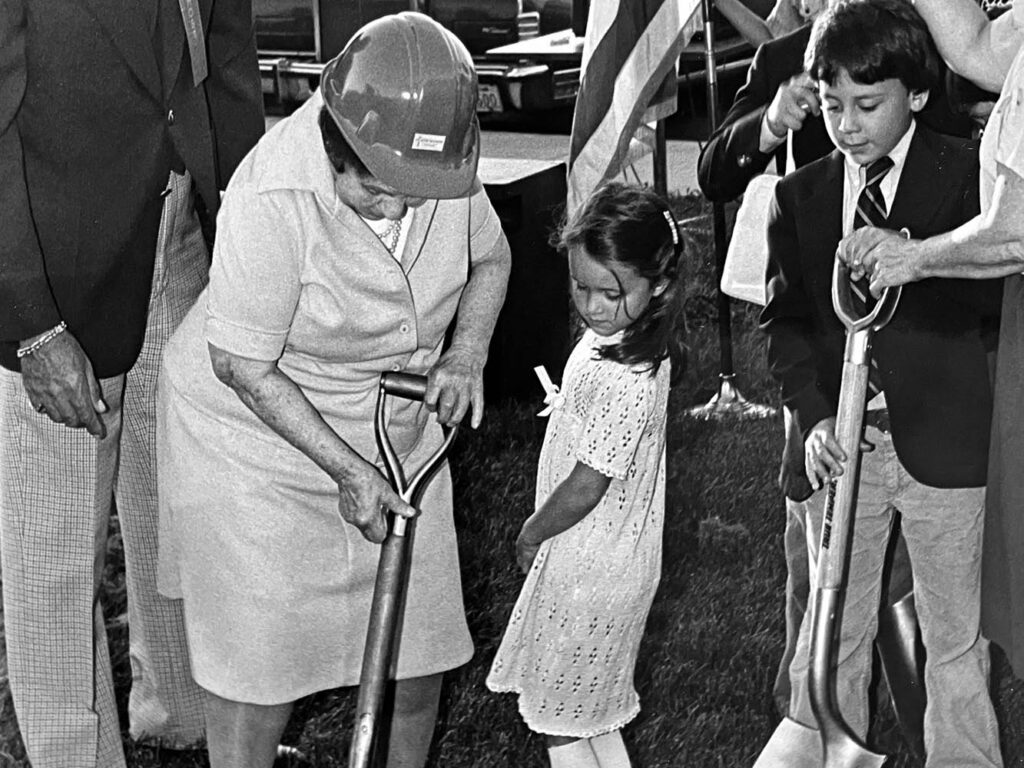
Additional gifts followed. The campaign goal was increased to $4.35 million, and the contract was given to Hawkins Construction Company. Groundbreaking for the Rose Blumkin Jewish Home (RBJH) was held on September 9th,1981. Over 400 people attended. Rose Blumkin, along with key members of the campaign, had the honor of “turning the earth.” Nancy Noddle and Maxine Kirshenbaum were chairmen of the reception. Individuals from the Bureau for the Aging and LOVE (League Offering Volunteers for the Elderly) were hosts.

Joe Kirshenbaum, Federation President said, “It is the inner strength of a community which determines how well it meets the challenges that confront it. Your total concern, support and participation have made this community stronger. Together we had a job to do. Together we did the job. Indeed, it makes one proud to be a part of the Omaha Jewish Community.”

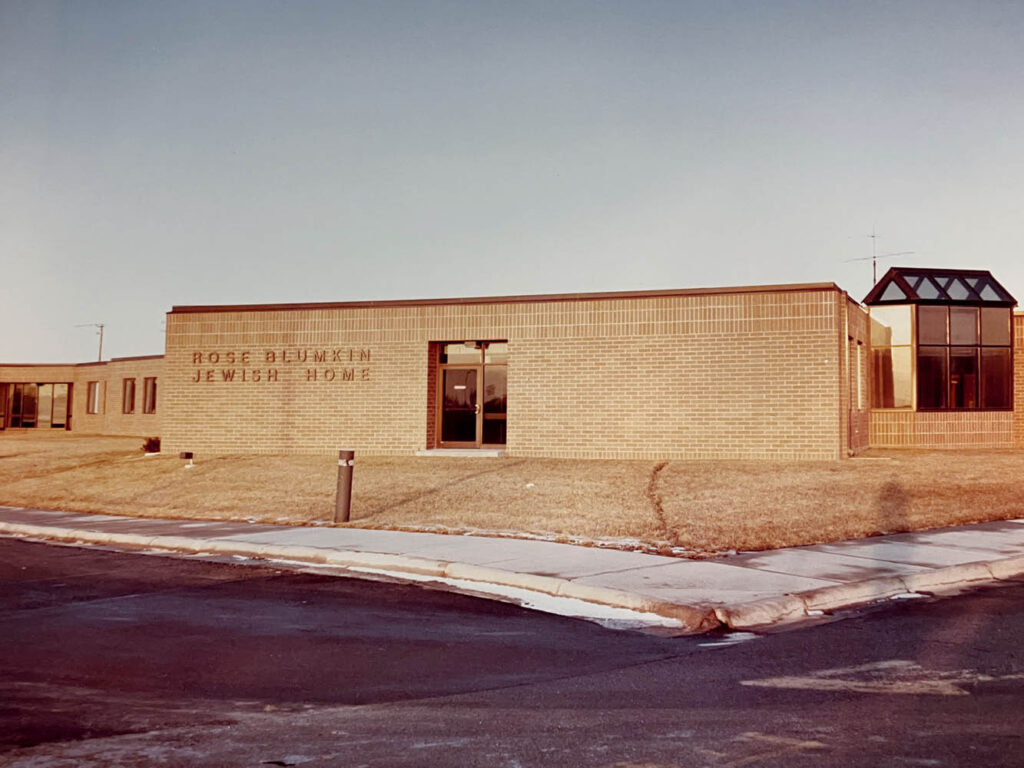
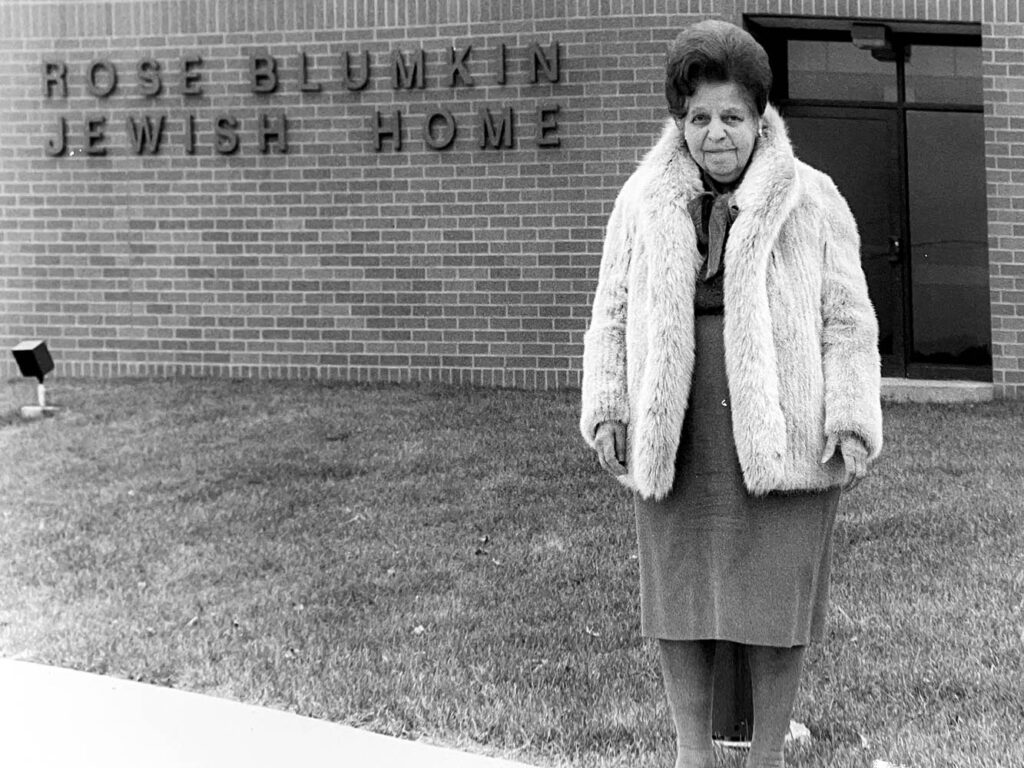
RBJH opened in November of 1982 with the mission of “providing Jewish seniors the necessary and appropriate programs and services to enhance the quality, comfort, and dignity of their lives.” The new facility had 50 rooms. The average cost for maintaining a resident was around $49 a day.

By 1987, the community struggled with RBJH waitlists of over 50 people. The Don Klein, president of the Bureau for the Aging, began a study on the need for increasing capacity. The study found that, to meet future demand and sustain viability for the next 15-20 years, RBJH would need to expand.

The Blumkin Family donated $500,000 to support the expansion. The Ike Friedman family also donated $50,000. By the summer of 1988, a $1.9 million / 25,000 sq. ft. addition to RBJH was approved. Gary Goldstein was appointed as architect. The 22-bed expansion would bring capacity to 119. A new entrance, offices, and kosher kitchens were included. Previously, RBJH had used the kitchen and meeting rooms within the JCC to meet their needs.

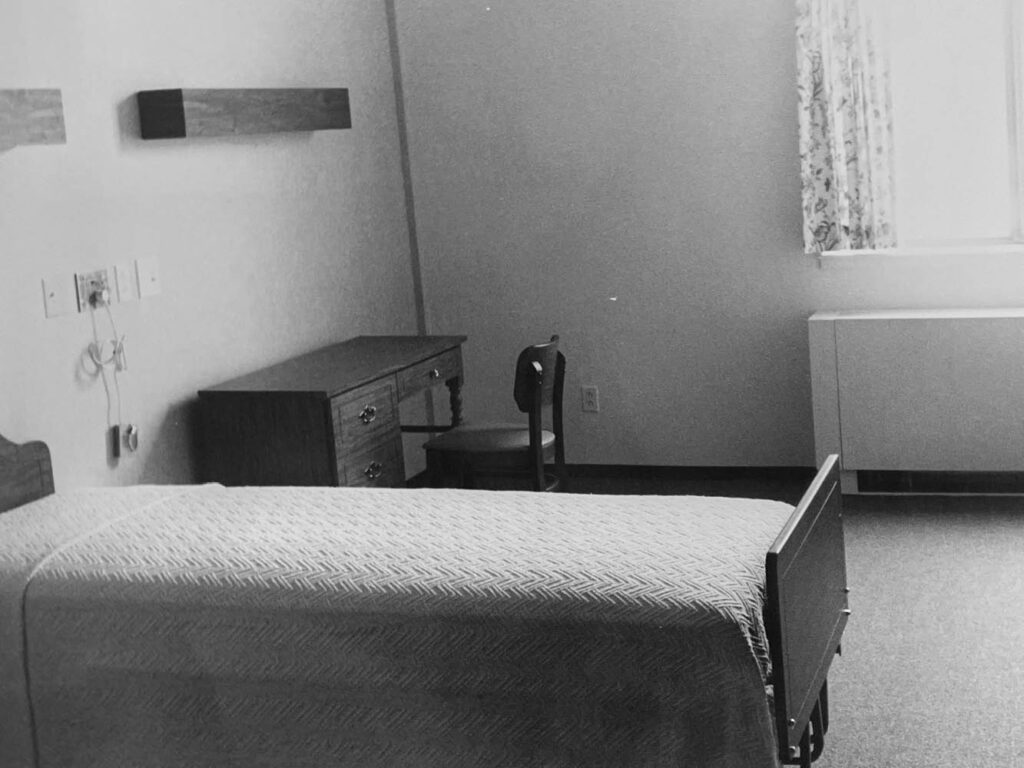
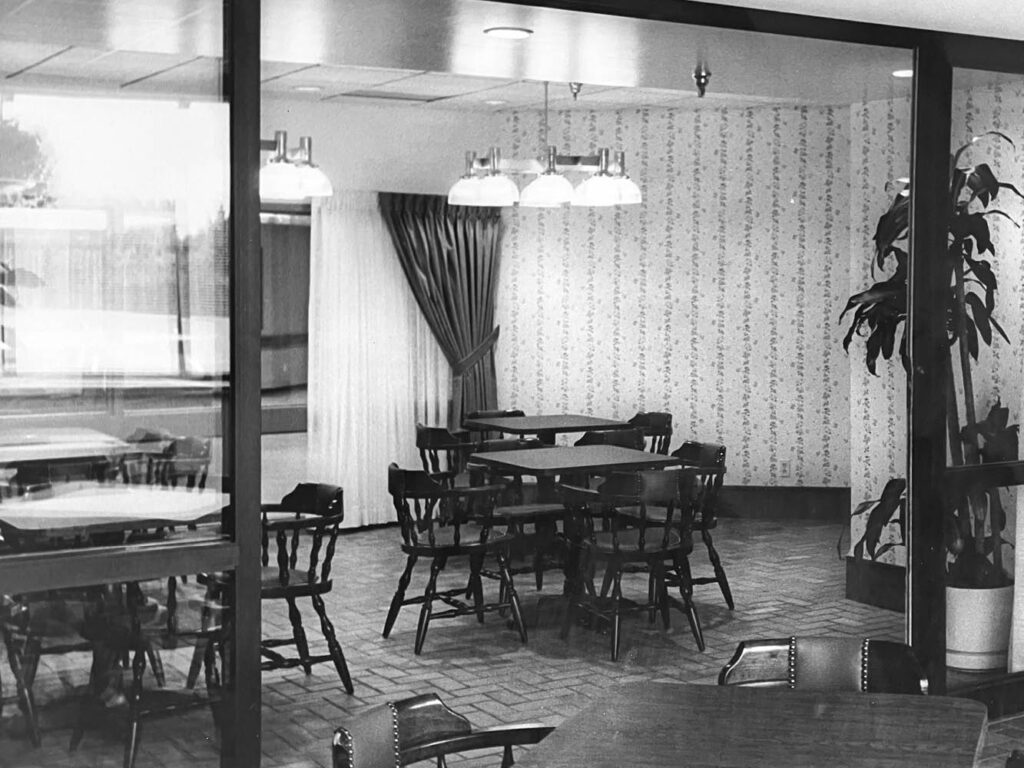
Groundbreaking took place in the spring of 1989. The expansion was completed by the fall of 1990. Following a national trend focused on personalized care, new occupants of RBJH were able to customize their rooms with one of three furniture styles and a color selection of blue or peach. The expanded dining rooms also allowed resident families to make reservations and dine with relatives on Friday nights.


11/5/26

FROM THE NJHS ARCHIVES: PURPLE HEART & SILVER STAR
Read More

11/5/26

The Jewish Film Festival Celebrates 24 Years of Bringing Omaha’s Jewish Community Together
Read More

10/23/26

JCRC Receives National Grant to Strengthen Nebraska’s 2026 Elections
Read More

RBJH: A Legacy We Proudly Carry Forward – Part I

As we prepare to open the new addition to the Rose Blumkin Jewish Home, we will be running a series of articles reflecting on our community’s history of senior care. To help us fully understand the significance of where we are today, this series will look back at the journey that brought us here and the previous generations who made this moment possible. Special thanks to the Nebraska Jewish Historical Society archives and Jewish Press archives for providing source materials for this article.

Part I: 1900 – 1950

One hundred and twenty-six years. More than a span of time, it is a living thread connecting us to the people who came before us – their courage, their sacrifices, their hopes, and their unwavering belief that the future could be built with care. Across that time the world has changed in ways they could scarcely have imagined: inventions have transformed how we live, travel, and connect; wars and movements have tested and reshaped communities; science and medicine have extended life and expanded possibility. Yet beneath all that change something timeless remains: the responsibility to care. With this responsibility comes the need to remember where we came from, the moments that shaped us, the people who carried us forward, and the legacy we are now called to honor and preserve.

In the early 1900s the Associated Jewish Charities, (later to be known as the Jewish Welfare Federation before eventually becoming the Jewish Federation of Omaha) was formed to support the growing population of Jewish immigrants coming to America. Elder care relied heavily on multigenerational family homes, private charity, and public houses. There was no formal nursing home industry, Medicare, or Medicaid. Philanthropic and faith-based groups ran charitable homes for the “worthy poor” and often relied on visiting nurses to manage the health care of the elderly. Locally, several Jewish community organizations recognized that the care needed for its elders sometimes required assistance from outside the family. The Daughters of Israel Aid Society (an auxiliary of the synagogue Chevra B’nai Israel), members of the Jewish Free Loan Society, the Omaha Hebrew Club, and the Wise Memorial Hospital involved themselves in serving the elderly, many of whom were also poverty-stricken and lonely.

At this same time Phillip Sher arrived in Omaha. The 28-year-old, an immigrant from Lithuania, had come to America to join his family. He entered Jefferson Medical School before transferring to Baltimore University Medical College and earning his degree in 1902. Upon his arrival to Omaha in 1903, Dr. Sher joined the staff of Wise Memorial Hospital, the Federation-supported institution that would later become the backbone of Jewish healthcare in Omaha. Dr. Sher also became involved in the Jewish Welfare Fund, the Jewish Free Loan Society, and the establishment of the Jewish Community Center.
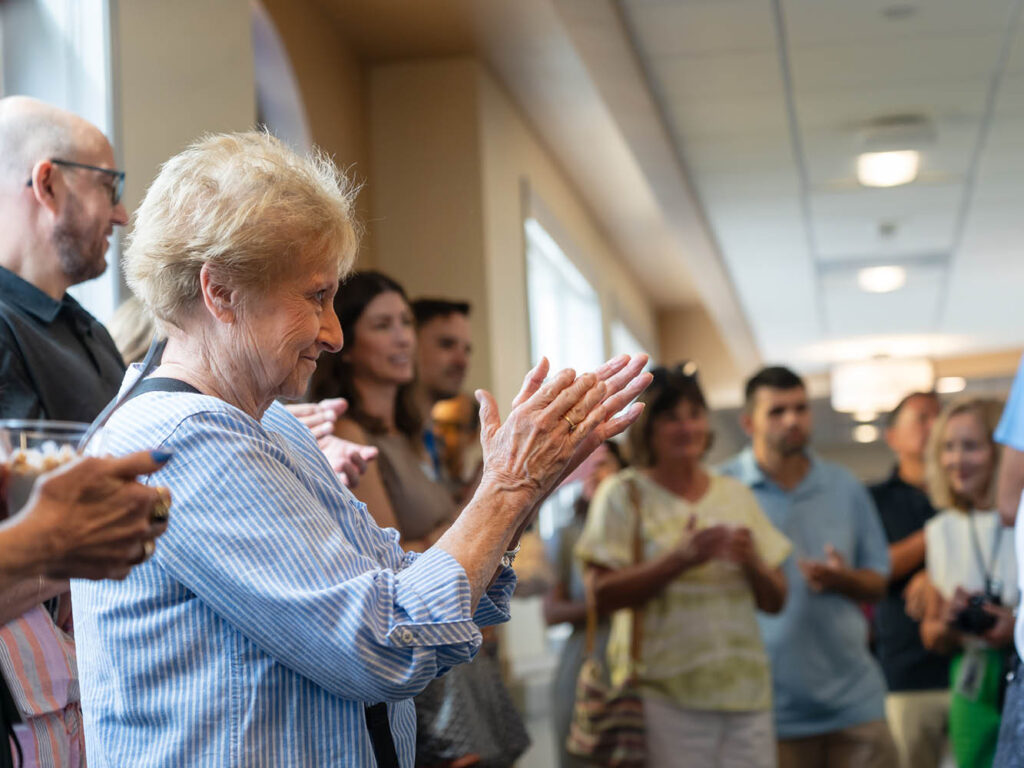
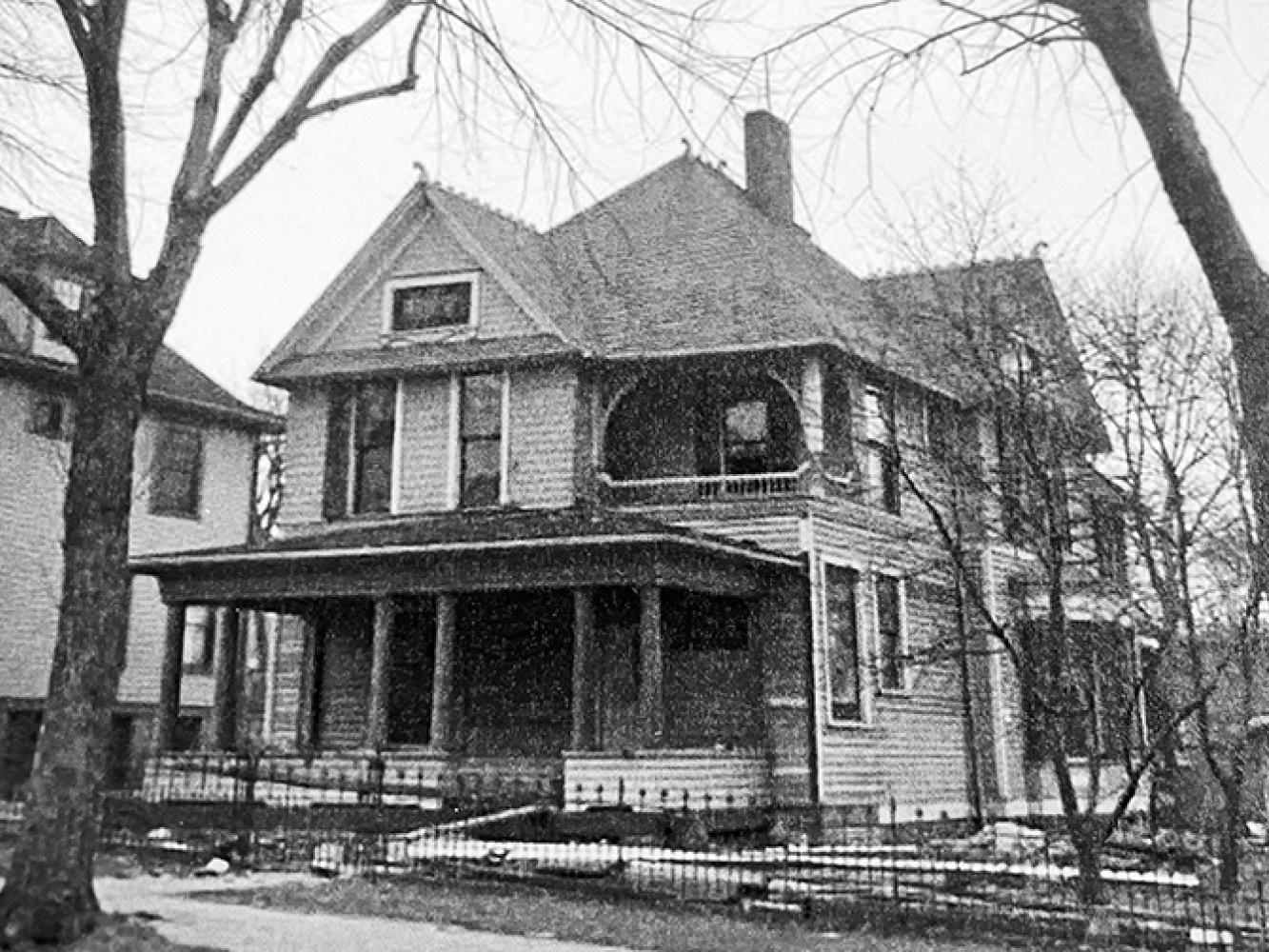
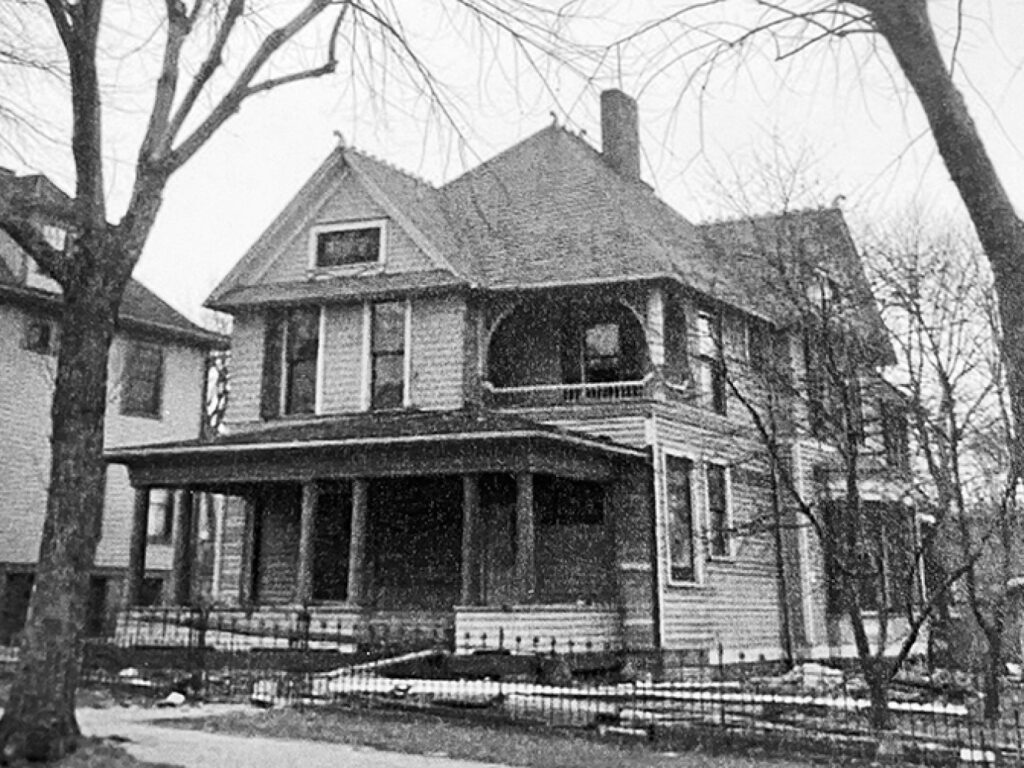
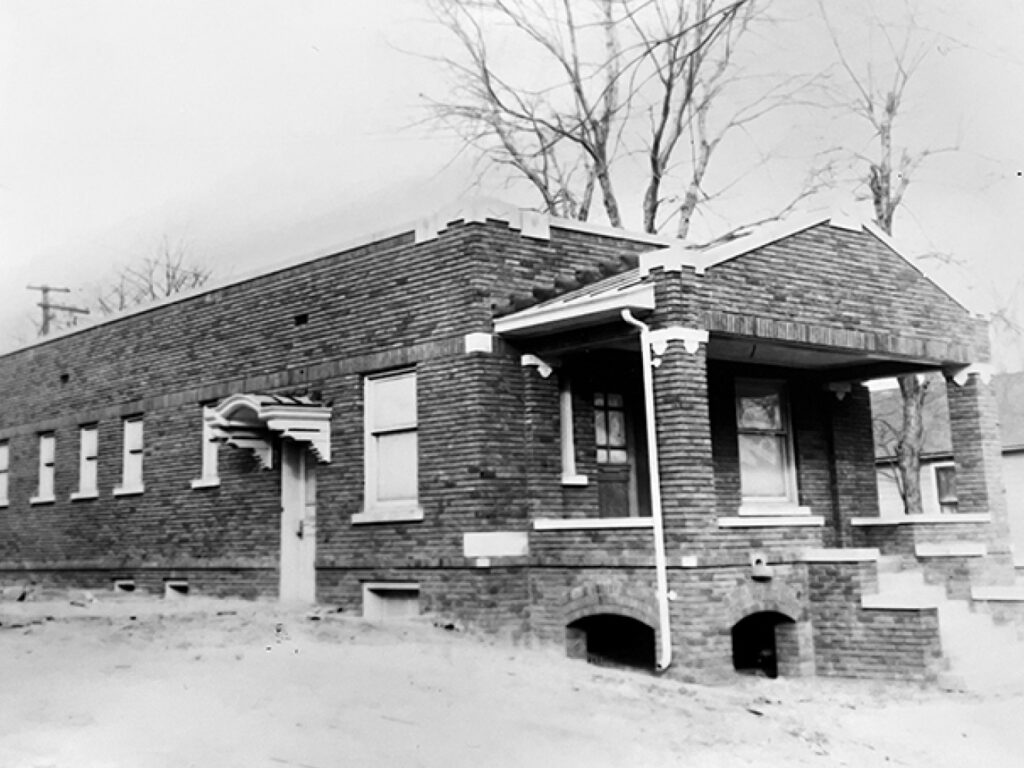
By 1912 the Daughters of Israel Aid Society began taking the first steps in establishing a community home for the aged, along with a mikvah / public bath house. For years the group held events to raise funds. Eventually, a property was purchased at 25th and Charles Street in Omaha. The mikvah opened in 1917 and the care home in January of 1918. It had 5 residents. It was a modest and humble beginning to our foundation of community elder care.

According to source materials from the Nebraska Jewish Historical Society, “The first floor of the care home had two bedrooms with a living room, dining room, kitchen, and a bathroom …. The upstairs housed the staff. There were two bathrooms and one room that was used as isolation for the ill. Residents at the home were known as ‘inmates’. Three basement rooms of the mikvah housed residents as well. These were not desirable rooms because of the cement floors and the heat from the nearby boiler. Three meals were offered each day. There was little structure at the home. Residents could stay up as late as they pleased, and they could go and come at will. There was no recreational program.”

In 1917, just at the Daughters of Israel Aid Society were getting ready to open the first community home for the aged, another significant event occurred. Rose Blumkin arrived in America. Born in Russia in 1893, Blumkin fled war torn Eastern Europe. She arrived three years after her husband, Isidore. After some time in Iowa, the family moved to Omaha in 1919.

The Daughters of Israel Aid Society supported and maintained their care home for years. In 1921 the home was invited to become a constituent member of the Jewish Welfare Federation. Representatives from the Jewish Federation and the Israel Aid Society were appointed to handle the executive affairs. By 1928, ten years since its opening, the home had served a total of 37 people. Maximum capacity was 11 and it cost about $1.50 per day to care for each resident.

A strong establishment of Jewish life in Omaha was starting to take hold. Dr. Sher had become president of the Jewish Federation in 1923, finishing the term of the late Morris Levy, and again in 1929.The International Order of the Aleph Zadik Aleph (AZA) was founded adopted by the B’nai B’rith Organization as its auxiliary program for young men in 1924 and the Jewish Community Center had opened in 1926. Rose Blumkin and her family opened Nebraska Furniture Mart in 1937.

The care home at 25th and Charles continued. The creation of the national Social Security program in 1935 gave many seniors the means to live independently. This shift in ability spurred new community conversations on the creation of a new nursing home. The interest was great. A building fund was created but never reached its goal. World War II was imminent, and things were put on hold.

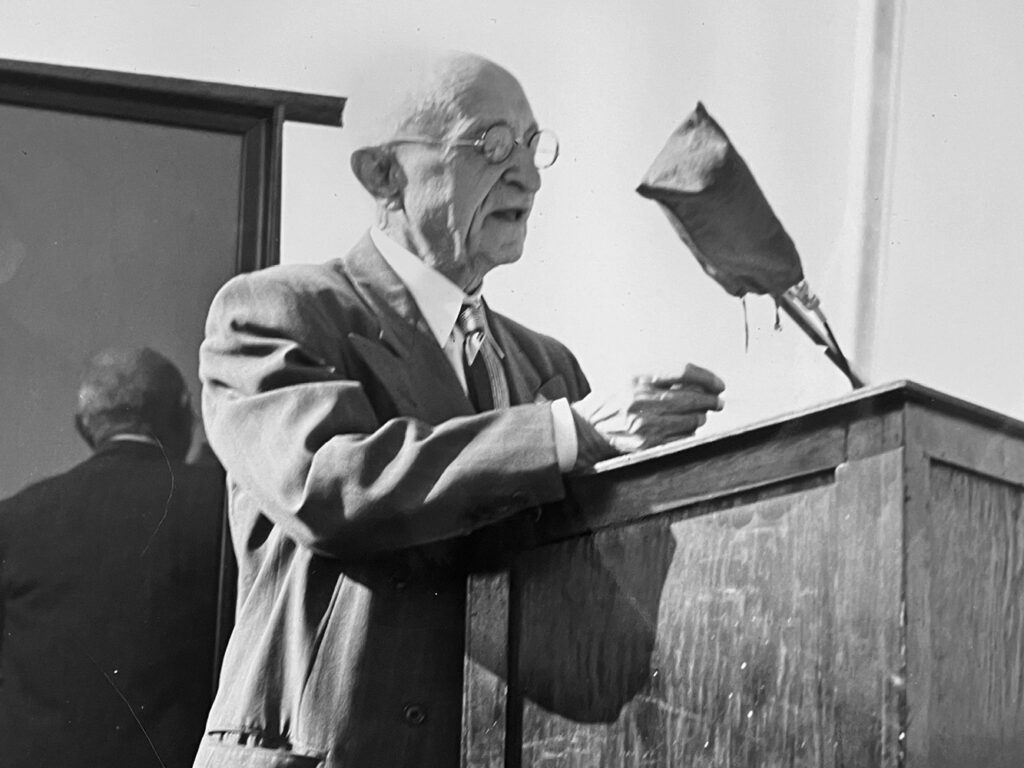
In 1944 The Jewish Federation of Omaha put backing to the unrealized dream. They allocated $10,000 for the construction of a new Home for the Aged. A building fund was once again established and a campaign was formed. Dr. Sher, who by this time was known and respected by all, was a diligent leader of the campaign who advanced the cause immeasurably. He was an adamant believer that everyone deserved care and dignity and that the strength of a community could be measured by how it cares for its elders.

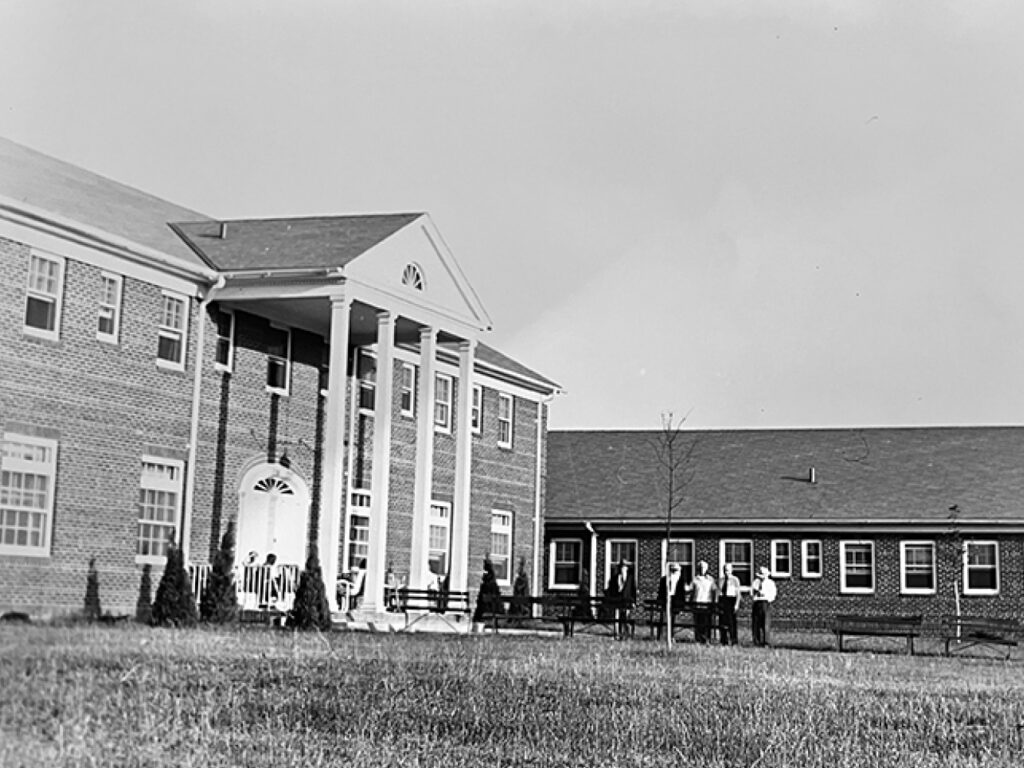
Under Dr. Sher’s leadership, the community raised the $450,000 needed. A ten-acre site was purchased near at 52nd and Grand Avenue in Omaha. It was decided that the new facility would be named the Dr. Philip Sher Home for the Aged, not for the money he gave, but rather for the life he lived in service to the Jewish community.
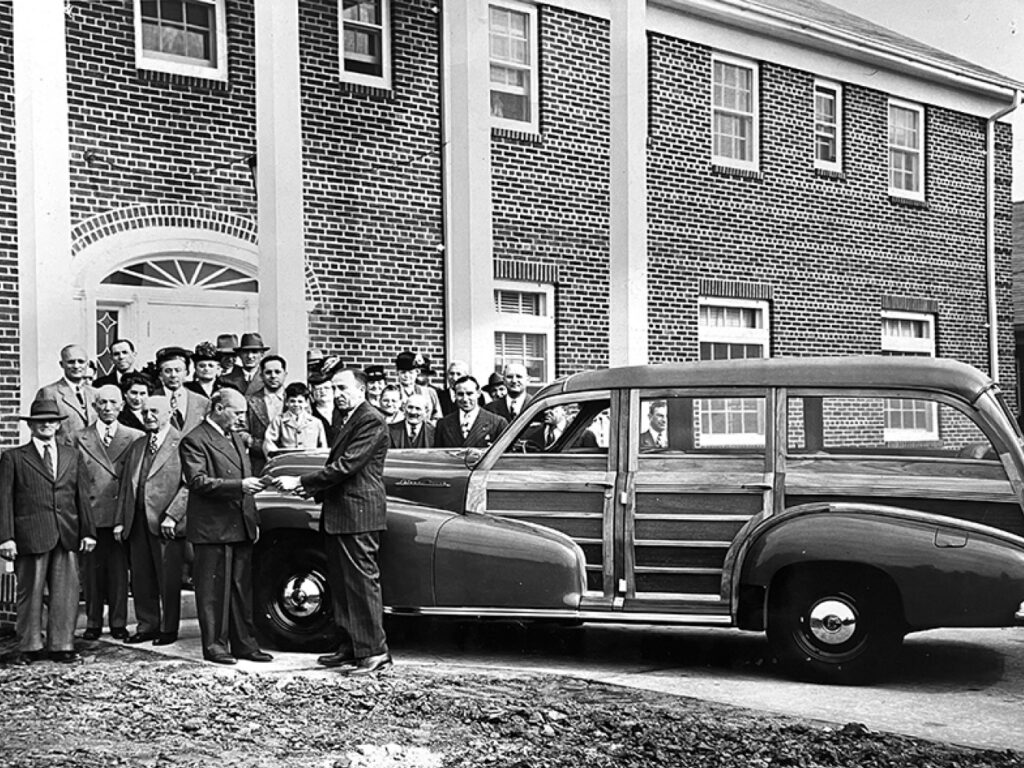
Groundbreaking for the Dr. Sher Home for the Jewish Aged was held in 1946. The home was to be built as a colonial mansion, centered in a 10-acre tract of land. The building included a synagogue, auditorium, offices, dining room, living room, library, kitchen, utility room, hospital unit, and infirmary facilities. The project took 15 months to complete and opened in 1948. The facility cost $225,000 to build and was able to open debt free, thanks to the generosity of the Jewish community. When the doors opened 35 individuals were welcomed in. The expanded availability of safe and consistent care of community seniors was now a reality. The estimated cost for maintaining a resident was $4 a day.


11/5/26

FROM THE NJHS ARCHIVES: PURPLE HEART & SILVER STAR
Read More

11/5/26

The Jewish Film Festival Celebrates 24 Years of Bringing Omaha’s Jewish Community Together
Read More

10/23/26

JCRC Receives National Grant to Strengthen Nebraska’s 2026 Elections
Read More