JFO Celebrates 25 Years of the IHE

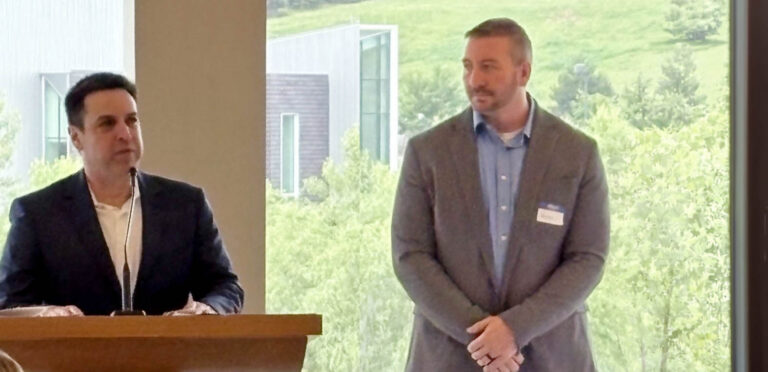
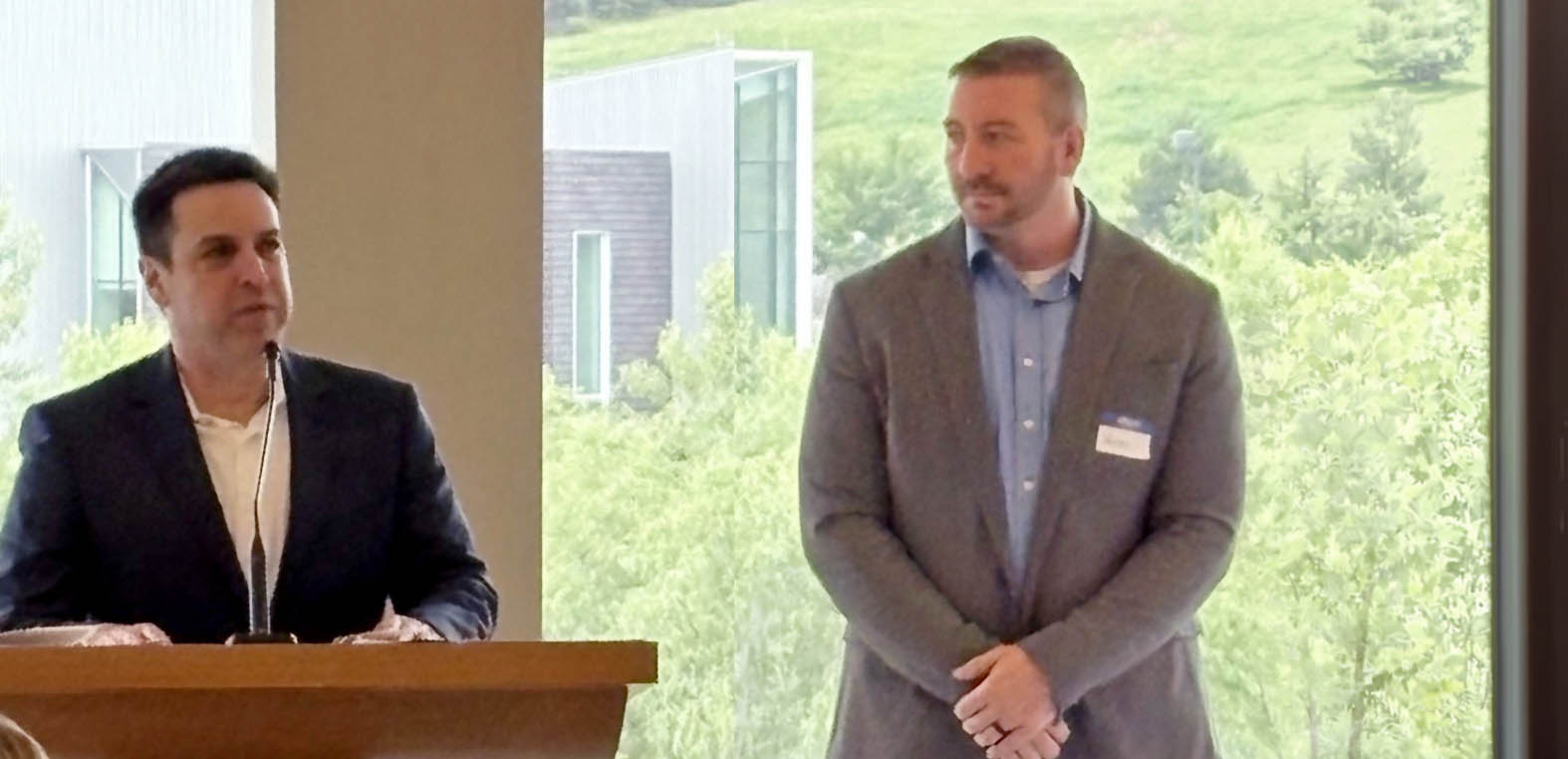
The Jewish Federation of Omaha recognized the 25th anniversary of the Institute for Holocaust Education at their Annual Meeting held on June 4th, 2026.

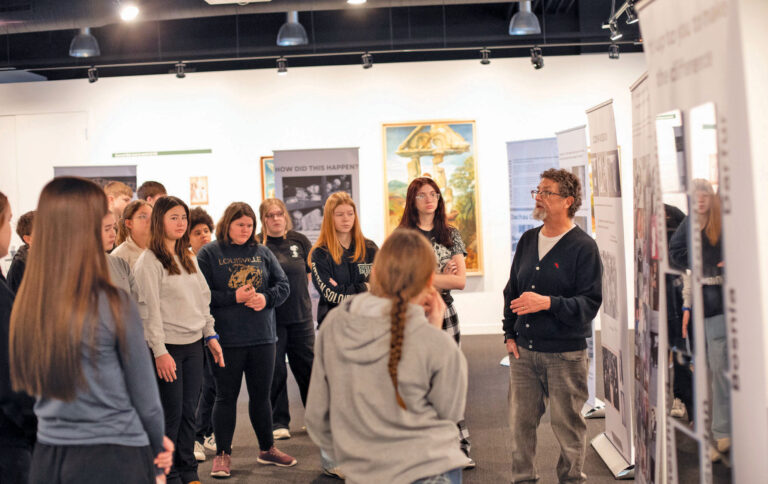
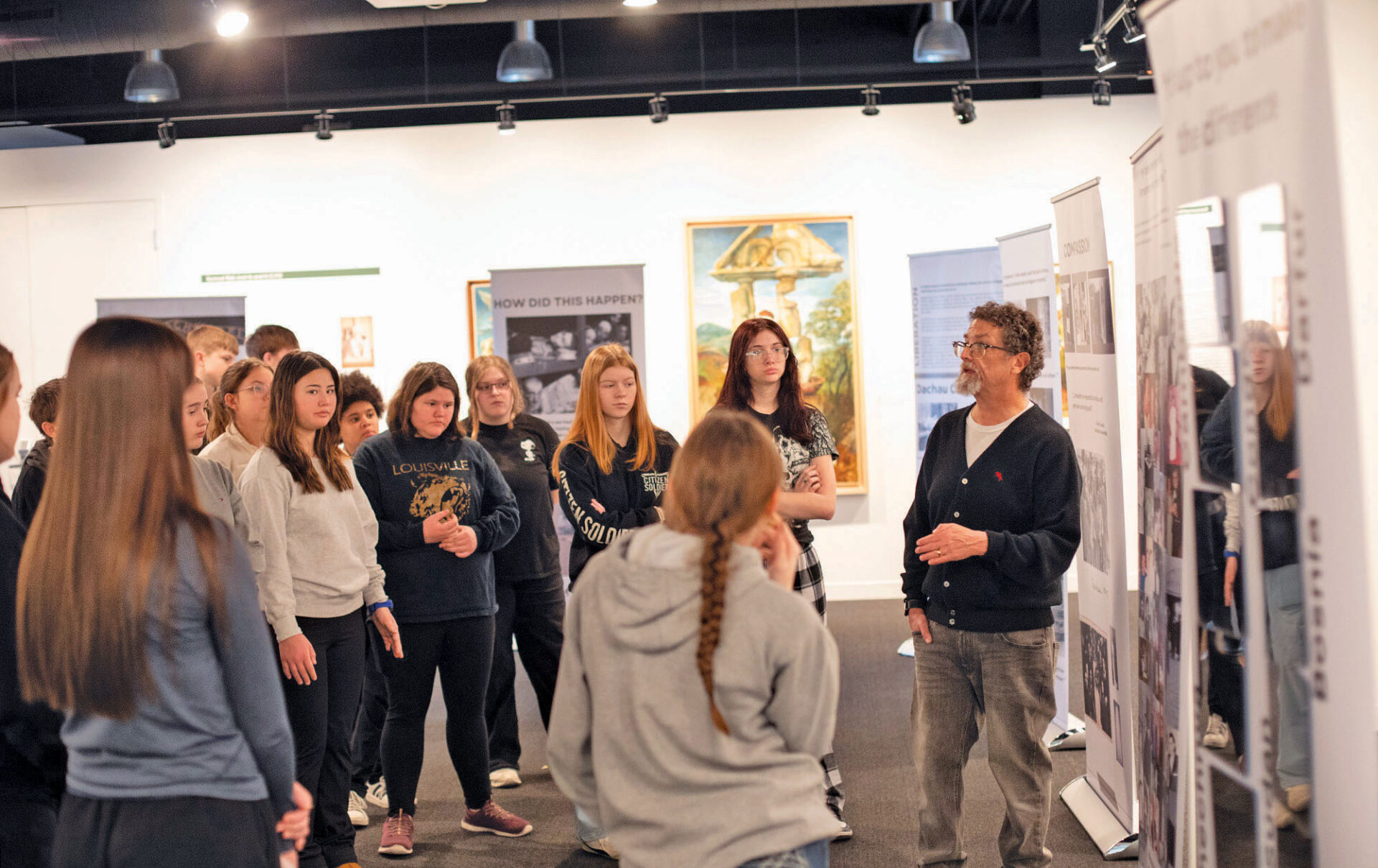
As an agency of the JFO, the Institute for Holocaust Education provides educational resources, workshops, survivor testimony, and integrated arts programming to students, educators, and the public. The IHE provides support to Holocaust survivor families in our community and remains Nebraska’s central location for disseminating accurate information about the Holocaust. Their philosophy embraces the idea that Holocaust education must incorporate not only statistics and descriptive information but also the stories of specific children, families, and individuals to reveal the human dimension of such pervasive inhumanity.

View the IHE’s 25th anniversary digital scrapbook here.


The History of the IHE

In 2000, Omaha native Beth Dotan returned to Omaha on a joint agreement with the Ghetto Fighters’ House* museum and the Omaha ADL/CRC’s office. She was to work for two years on the International Book Sharing project. At that time, Bob Wolfson, then Executive Director of the Great Plains Region of the Anti-Defamation League (ADL), received numerous requests from local educators who wanted Holocaust materials and lessons.

Slowly, the ADL began integrating their Holocaust programming into the local educational system. They soon discovered this demand was part of a national trend, leading other communities and universities across the United States to develop Holocaust education centers. Beth and Bob, along with Larry Raful (then ADL Chair), and Debbi Zweiback (then ADL/CRC education staff) took a deeper look at these communities. They also spoke with community survivors. This research allowed them to clearly identify goals and intended direction.

Gloria and Howard Kaslow then joined the committee. Soon after, a Governance Council was developed and the IHE, an independent beneficiary entity under the Great Plains Region of the Anti-Defamation League and the Jewish Federation of Omaha, was formed. In 2023, the IHE became an official agency of the JFO.

Since its founding, the IHE has been dedicated to ensuring that the history and lessons of the Holocaust are taught with accuracy, depth, and humanity. What began as a local initiative has grown into a nationally respected agency serving educators, students, and communities across Nebraska and beyond. Over the last 25 years, the IHE has expanded how Holocaust education is experienced and understood.

Today, the IHE continues to reach new generations through innovative and interdisciplinary community programs, ensuring the history and lessons of the Holocaust are never forgotten. The IHE remains steadfast in their mission: to combat antisemitism, hate, and misinformation through education, remembrance, and dialogue. The impact of this work is measured in the lives changed, the stories preserved, and the responsibility passed on to future generations.

* Located in Kibbutz Lohamei HaGeta’ot in the Western Galilee

6/23/26

JFO Advocates for Legislation to Strengthen Community Security
Read More

6/23/26

JFO Campus Safety and Security Manager Receives Award
Read More

JFO Advocates for Legislation to Strengthen Community Security

In today’s complex world, the risk of security vulnerabilities continues to grow, especially within the Jewish community. Across the country, antisemitism remains an ever-present threat, demanding more security resources than ever before. This rise in antisemitism has spurred the creation of the Jewish American Security Act, S. 4576, a comprehensive, bipartisan bill introduced by U.S. Senators Jacky Rosen (D-Nev.) and James Lankford (R-Okla). Congressman Don Bacon (R-Neb.) co-sponsored the bill.

The Jewish American Security Act (JASA) aims to strengthen federal efforts to fight antisemitism, including in U.S. academic settings, at Jewish communal institutions and online. Passage of the bill would provide nationwide funding for security enhancements at synagogues, Jewish community centers, day schools and other at-risk nonprofits. At its core, the bill authorizes funding of up to $1 billion annually for the Nonprofit Security Grant Program (NSGP).

The NSGP was first proposed by the Jewish Federations of North America in 2001 to create a federal funding stream that would provide critical security enhancements to nonprofit and faith-based institutions facing threats. The program was implemented in 2004. Congress funded the first year of the program at $25 million. By 2025, national funding had grown to $274 million. Demand increased significantly as well. In 2024, the NSGP was able to fulfill only 43% of the total applications submitted.

Under current guidelines, the NSGP allows eligible 501(c)(3) nonprofits to request up to $200,000 per physical site or address. Funds may be used only for approved security enhancements. The Jewish Federation of Omaha has been a recipient of NSGP funding, but recently, its applications have been denied.

Phil Malcom, chief operating officer for the Jewish Federation of Omaha, attributes this lack of funding to the competitiveness of the program.

“The evolution of the threat landscape over the past 25 years has created a huge increase in demand for this program,” he said.

Thanks in part to prior NSGP funding, the JFO was able to launch the Jewish Federation of Omaha Community Security Initiative in 2022. This robust initiative was designed to collectively bolster the security of the entire Omaha Jewish community. Since then, the JFO has increased security spending significantly — a necessary investment to enhance the safety of those who wish to participate in Jewish life.

The potential life-saving impact of these increased security measures is not taken lightly. Malcom said the recent loss of NSGP funding is felt, especially as the cost to grow and maintain security measures is projected to increase.

“Previous NSGP funding helped us build the security camera system across our campus. That technology has been a tremendous resource in improving our response time to security incidents,” he said. “We’ve accomplished a lot, but there is always more to do. That lift becomes more challenging without the NSGP funding.”

Funding for JFO security comes from a variety of sources. Some funding is provided by special grants locally and nationally, including Jewish Federations of North America’s LiveSecure program and the Tepper Foundation, but the rest is funded through campus operations.

To help address the shortage of security funding at the local level, the Jewish Community Relations Council, an agency of the JFO, worked closely with former state Sen. Tom Brewer to pass legislation that established a state-level security grant program for Nebraska nonprofits. This legislation was passed in 2024; however, state government officials continue to divert the bill’s funding because of severe budget deficits.

“Americans of all faiths deserve the right to gather safely with their communities. This is why the JFO and the JCRC are working at both local and national levels to advance the legislation needed to keep our communities safe,” said Sharon Brodkey, executive director of the JCRC.

Brodkey said she is certain passage of JASA would have a meaningful impact on the local community, both Jewish and interfaith.

“JASA makes several significant enhancements to take security for the Jewish community to a new level. Current NSGP funding has focused on material physical security enhancements such as cameras, access controls, alarm systems, etc. While some personnel-related expenses have been eligible in limited circumstances, we have been pushing elected officials to address and cover the cost of having trained security officers on-site,” Brodkey said. “The Jewish American Security Act recognizes that today’s threat environment requires protecting Jewish life more broadly — from synagogues and schools to college campuses and civil rights enforcement.”

Brodkey encourages community members to reach out to their congressional representatives and advocate for JASA.

“The community can advocate by reaching out to Mike Flood and Adrian Smith and asking them to join Congressman Bacon in co-sponsoring this once-in-a-generation legislation,” she said.

While the fate of the bill has yet to be determined, Malcom said the JFO remains committed to building a culture of security preparedness.

“We will continue to focus on security preparedness while remaining warm and welcoming,” he said. “The JFO will always work to sustain our community through advocating, mobilizing resources, supporting vital services, and fostering connection, care, and collective responsibility.”

6/23/26

JFO Celebrates 25 Years of the IHE
Read More

6/23/26

JFO Campus Safety and Security Manager Receives Award
Read More

JFO Campus Safety and Security Manager Receives Award

Temple Israel recently honored James Donahue, campus safety and security manager at the Jewish Federation of Omaha, with the Shomer Ha’Ir Award for Contributions from Outside the Congregation. This was the first year the award was given out.

Donahue was selected for his contributions to the greater Jewish community.

“We are so grateful to James,” Rabbi Benjamin Sharff said. “We cannot keep our community safe alone. We need friends and allies who stand with us. James embodies these values. This is why Temple Israel was honored to present him with the Shomer Ha’Ir Award.”

When asked why Donahue was selected, Sharff provided several reasons.

“James has gone above and beyond in support of our security challenges. He has worked with us to create a Security Response Group so local congregations and organizations can address specific challenges more quickly. He has worked with Temple Israel’s security committee and made suggestions for security improvements to our facility and cemetery. He has advised the security response group for Tri-Faith and helped address concerns and challenges on the Commons,” Sharff said. “James has been forthcoming in sharing guidance on security-related questions, no matter how large or small. He is always willing to take our calls and answer our emails. He is a delightful presence and consistently offers his expertise to help keep us safe.”

Donahue began working at the Jewish Federation of Omaha in 2022. He was hired in conjunction with the launch of the JFO’s Community Security Initiative, an effort created to strengthen preparedness and mitigate the modern threat landscape. He came to the JFO with more than 18 years of security experience, having served both as a U.S. Marine and as a security contractor in Afghanistan for the Department of Defense.

Over the past four years, Donahue’s impact on the community has been substantial. Under his leadership, the physical and procedural elements of security across the Staenberg Kooper Fellman Campus have been significantly enhanced. He has also worked closely with local synagogues, helping them complete threat assessments and review materials required for nonprofit security grant applications.

“My work as the JFO campus safety and security manager is multifaceted,” Donahue said. “In addition to physical security measures, there is an intelligence component. I work to provide clear, direct channels for documenting antisemitic incidents and suspicious activity. I ensure this information is immediately shared with law enforcement and national networks. I organize safety and security preparedness training for JFO staff and the broader community.”

Whether at a school, shopping mall or house of worship, Donahue recognizes that the need for security in today’s world extends across all types of institutions. Through his work, he aims to enact rigorous safety protocols without compromising the warmth and accessibility that define a shared community space.

“It’s about creating a culture of awareness that extends from the community’s values, rather than creating an intrusive presence that generates fear,” he said.

One experience that further informed this approach was Donahue’s first trip to Israel in 2025. As part of a national program through the Jewish Federations of North America and the Secure Community Network, Donahue had the opportunity to learn firsthand about security measures across Israel. He found the experience transformative on both a personal and professional level.

“My time in Israel forced me to rethink my approach to readiness. Much of the military and security training I’ve had has focused on immediate, tactical reactions to a crisis. In Israel, I saw a holistic model where the focus is split equally between proactive prevention and rapid psychological resilience after an incident. It taught me that a secure environment isn’t just one that prevents emergencies, but one that is built to recover, adapt and keep moving forward without missing a beat,” he said. “It was inspiring.”

Donahue credits these experiences, along with the vision of the Jewish Federation of Omaha and the community’s vigilance, as key factors in his success.

“I’m fortunate to work with a great team of people,” he said. “The work the JFO and its agencies do to enhance the safety of the community goes well beyond my position. The staff actively advocate for and assist local Jewish and interfaith institutions in accessing state and federal security grants to obtain funding for physical security upgrades. The greater Jewish community also has been great to work with.”

“To me, this award is a reflection of the hard work we have all put in over the last few years,” he added. “It’s incredibly rewarding to see the JFO’s dedication to keeping the community safe recognized at this level. While my name may be on the award, it truly represents a collective effort, and it motivates me to keep pushing the boundaries of what we can achieve next.”

6/23/26

JFO Celebrates 25 Years of the IHE
Read More

6/23/26

JFO Advocates for Legislation to Strengthen Community Security
Read More

A Dream Comes True at RBJH

Dream Flight: From Model Planes to Open Skies: Ralph Burin’s Unforgettable Journey

The Rose Blumkin Jewish Home, an agency of the Jewish Federation of Omaha, is grounded in the Mitzvah of Mipnei Seiva Takum—to rise and show respect for the aged. This guiding value is brought to life each day through the meaningful relationships formed between staff and residents — relationships rooted in knowing each individual and what matters most to them. Such is the case with resident Ralph Burin.

Burin, an Army veteran, recently experienced an unforgettable adventure high above the Nebraska skies thanks to the Dream Flights Program.

Dream Flights, a nonprofit organization whose mission is to “Give Back to Those Who Gave,” travels across the country providing free flights to military veterans living in senior living communities. Through its partnership with the Nebraska Health Care Association (NHCA), Dream Flights brings joy, gratitude, and excitement to veterans across America, honoring their service in a truly unique way. Each year, nearly 800 veterans nationwide are given the opportunity to take flight and create lasting memories.

Maggie Conti, RBJH Director of Activities & Volunteer Services, nominated Burin for this honor. That level of personalized care is what made this moment possible — when the opportunity came across her desk, Maggie immediately knew who it was for.

“I learned about the opportunity through an email from the Nebraska Health Care Association (NHCA), which partnered with Dream Flights. As soon as I saw it, I knew I wanted to pursue it for one of our residents. After reviewing our veteran residents, Ralph immediately stood out as the perfect candidate. He is an all-around great guy, and his lifelong passion for aviation made him an ideal choice for this incredible experience. The day couldn’t have been more perfect. Everything came together beautifully, and it was wonderful to see Ralph enjoy such a memorable and well-deserved adventure. You should see how RBJH treated him when he got home – like a rock star,” Conti said.

For Burin, the experience was especially meaningful. From an early age, airplanes captured Ralph’s imagination. His fascination with flight was never a passing interest; it became woven into the fabric of who he was. Over the years, he meticulously built model airplanes by hand, of World War I aircraft that once hung proudly in his office.

“When Ralph learned he had been selected for a Dream Flight, his excitement was immediate and unmistakable,” Conti said. “He instantly recognized the image vintage Boeing Stearman biplane upon seeing it and shared that he wanted to feel the wind on his face again,” Conti said.

Ralph’s simple wish carried decades of memories and anticipation. On June 3, Ralph’s dream became reality. Ralph was one of eight fortunate veterans from across Nebraska selected to take part in the day’s flights. He rose early to make the trip to Lincoln. Once there Ralph participated in a welcoming ceremony attended by Governor Jim Pillen and Nebraska Department of Veterans’ Affairs Director John Hilgert.

Ralph served his country with honor after being inducted into the United States Army in January 1967.

During his two years of service, he was stationed at Fort Campbell, Kentucky; Fort Jackson, South Carolina; Fort Dix, New Jersey; and Camp Hovey in South Korea. While serving overseas, he managed PLL operations and served as Battalion Artist, documenting military life through sketches, photography, and design work. His artistic talents helped preserve the stories and experiences of fellow soldiers while supporting military leadership. His time in Asia also reflected his curiosity and appreciation for different cultures. Ralph embraced Korean cuisine and customs and treasured opportunities to travel and explore Japan.

Born in Palestine in 1942, Ralph immigrated to the United States as a teenager and built a life defined by creativity, education, and service. He later taught Art History and Art Appreciation at colleges across the country, inspiring countless students to see beauty, meaning, and connection in the world around them. Friends, family, and caregivers know Ralph as someone who enjoys sharing stories, making connections, and embracing life’s adventures with enthusiasm. His Dream Flight was a fitting tribute to a man who has spent a lifetime creating, teaching, and exploring.

“We want to give special thanks to Ralph’s wife Kathy Burin, RBJH Certified Nursing Assistant Matisse Legonou, our transportation crew, and Amy Anderson, RBJH Activities Coordinator, for helping make this memorable day possible and sharing the adventure with Ralph.  It truly took a village, with staff from every department of the home cheering him on and helping bring this dream to life,” Conti said.

Moments like this reflect the broader experience families trust RBJH to provide — one where residents are not only cared for, but truly known, celebrated, and given opportunities to continue living meaningful and fulfilling lives.

When the plane touched down and Ralph stepped back onto solid ground, his joy was evident. With a smile, he summed up the experience in just a few words:

“Hurray, hurray; it was very freeing.”

For Ralph, the flight was more than a once-in-a-lifetime experience. It was a celebration of a life well lived, a tribute to his military service, and a reminder that dreams can still take flight. At RBJH, it’s these deeply personal moments that turn everyday care into something extraordinary.


6/23/26

JFO Celebrates 25 Years of the IHE
Read More

6/23/26

JFO Advocates for Legislation to Strengthen Community Security
Read More

6/23/26

JFO Campus Safety and Security Manager Receives Award
Read More

Stacy Feldman Named Chief Impact Officer

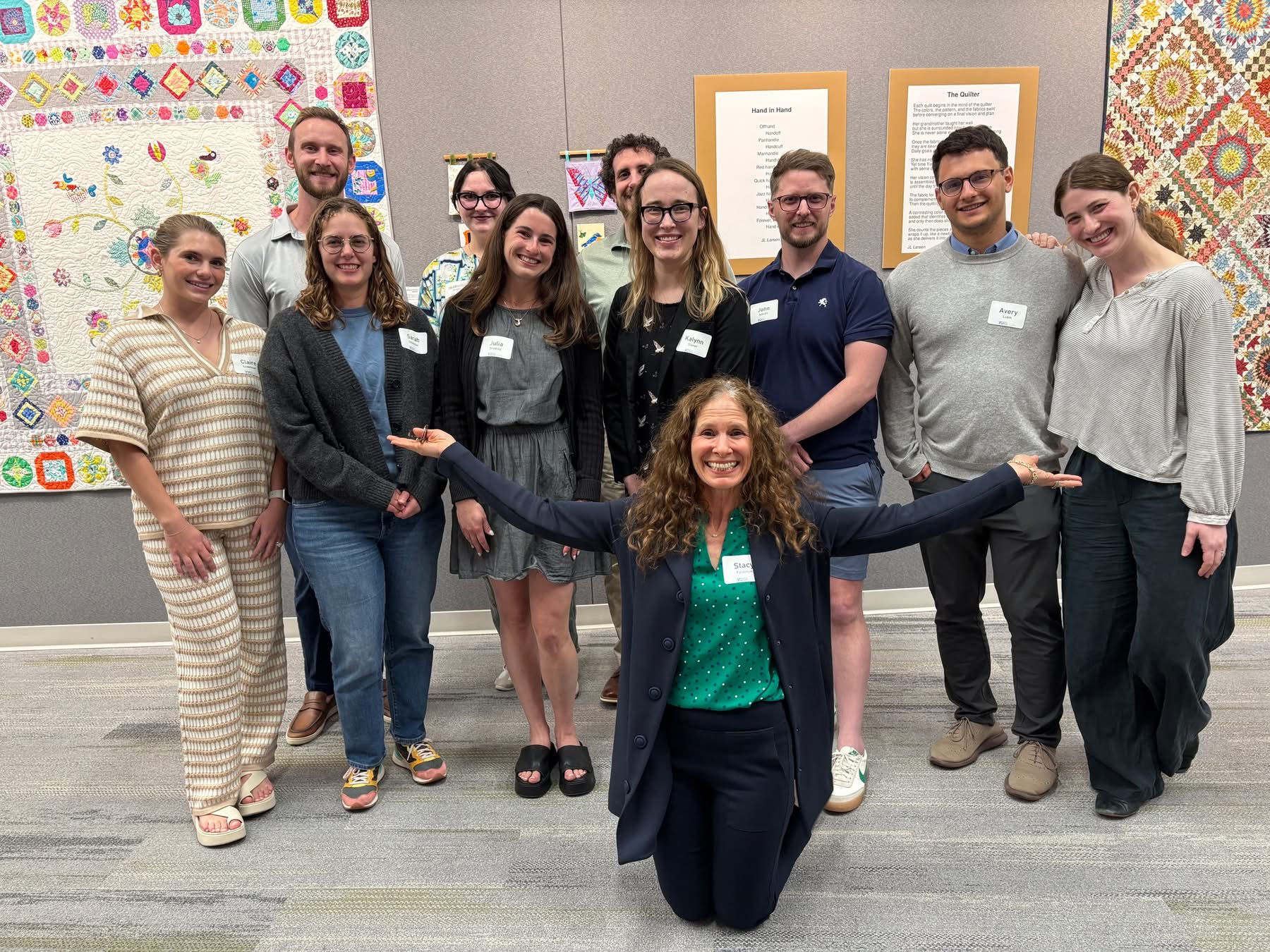
The Jewish Federation of Omaha is pleased to announce that Stacy Feldman will assume the role of Chief Impact Officer beginning April 27, 2026. As a senior executive leader and primary driver of the Federation’s impact strategy, Feldman will guide how the organization defines, measures, and delivers meaningful outcomes for the community. The position is newly created and reflects the Federation’s growing focus on intentional, accountable, and purpose-driven impact.

Stacy brings more than 20 years of corporate and nonprofit leadership experience to the role. She previously served as Director of Community Impact at the Jewish Federation of the Heart of New Jersey, where she oversaw community allocations, engagement, and strategic marketing efforts.

After moving to Nebraska with her family in 2021, Feldman joined the Jewish Federation of Omaha, where she assumed increasing leadership responsibility across impact strategy and organizational learning. Most recently, as Impact Data Manager, she worked closely with agency directors and senior leadership to define impact, support data-driven decision-making, and lay the groundwork for a more intentional, community-wide understanding of the Federation’s programs and services. Those insights, coupled with Feldman’s leadership in aligning data, strategy, and community needs, helped shape the creation of the Chief Impact Officer role.
The Jewish Federation of Omaha, with its mission to build and sustain a strong and vibrant Omaha Jewish community while supporting Jews in Israel and around the world, supports a wide-ranging ecosystem of programs and services that serve families, children, seniors, and individuals at every stage of life.

“With a scope of work this large, it’s critical that we understand not just what we do, but how well it’s working,” said Bob Goldberg, Chief Executive Officer of the Jewish Federation of Omaha. “Stacy’s leadership ensures that impact is integrated across the entire organization—informing strategy, strengthening accountability, and keeping our mission and purpose at the center of every decision.”

As Chief Impact Officer, Feldman serves as a senior organizational leader responsible for ensuring that the Federation’s work is purposeful, measurable, and connected to its broader mission—so that every program, every dollar, and every partnership reflects the Federation’s purpose of caring for and about one another, and helps individuals feel seen, supported, and connected to something bigger than themselves.

“In my new role, we’re expanding the scope to take a more holistic look at the organization,” Stacy said. “Over the past year, I’ve spent a lot of time working with campus leaders to define impact and track the success of their programs and services. Now, I plan to take a step back to move forward—looking more deeply at what our agencies do, why they do it, and who they serve. Each agency has its own unique mission and purpose, and I want to better understand their day-to-day work so I can help connect it to the Federation’s larger mission and goals. At its core, my role is about building the shared tools and understanding that empower leaders to take ownership of data-driven impact measurement in their day-to-day work.”

As a member of the Federation’s senior leadership team, Feldman will work closely with executive leadership, the board, agency leadership teams, donors, and partners to identify needs, set priorities, and measure results—ensuring alignment across strategy, funding, and community impact.

Feldman views data as a tool for strategic decision-making across the organization. “I think of data as a puzzle,” she said. “It’s like dumping all the pieces of a 1,000-piece puzzle onto a table. My job is to put them together to create a clear picture. Having a solid understanding of our organizational data helps us make decisions based on facts rather than assumptions. It allows us to learn what’s working, what needs adjusting, and how we can better serve our community.”

Importantly, Stacy views community voice as an essential part of that picture. She notes that data and relationships go hand in hand. Understanding how people experience what the Federation has to offer—and whether they feel welcomed, valued, and connected—is essential to understanding true impact.

“Data isn’t only numbers,” she said. “Connecting with people about why they attend programs and utilize our services, what they take away from them, and what’s on their minds helps us understand what matters to them. It also helps members of our community feel like they belong. That insight is another piece of the puzzle.”

Stacy also sees storytelling as central to impact work.

“Insight is also storytelling, and everyone loves a good story,” she said. “It’s our responsibility to show our donors and our community why what we do matters.”

In the coming months, community members may see more opportunities to share feedback as part of the creation of this new role.
“Listening to our community is the best way to ensure our work continues to drive meaningful, lasting change,” she said.

Although relatively new to Nebraska, Stacy says she feels deeply connected to the Omaha Jewish community.

“I’m incredibly excited and filled with gratitude,” she said. “This community has been so welcoming. I love the warmth of Midwest culture. I feel lucky to be part of this community—and even luckier to be able to work on its behalf.”

6/23/26

JFO Celebrates 25 Years of the IHE
Read More

6/23/26

JFO Advocates for Legislation to Strengthen Community Security
Read More

6/23/26

JFO Campus Safety and Security Manager Receives Award
Read More

If we want a Jewish future, we must fund a Jewish present.

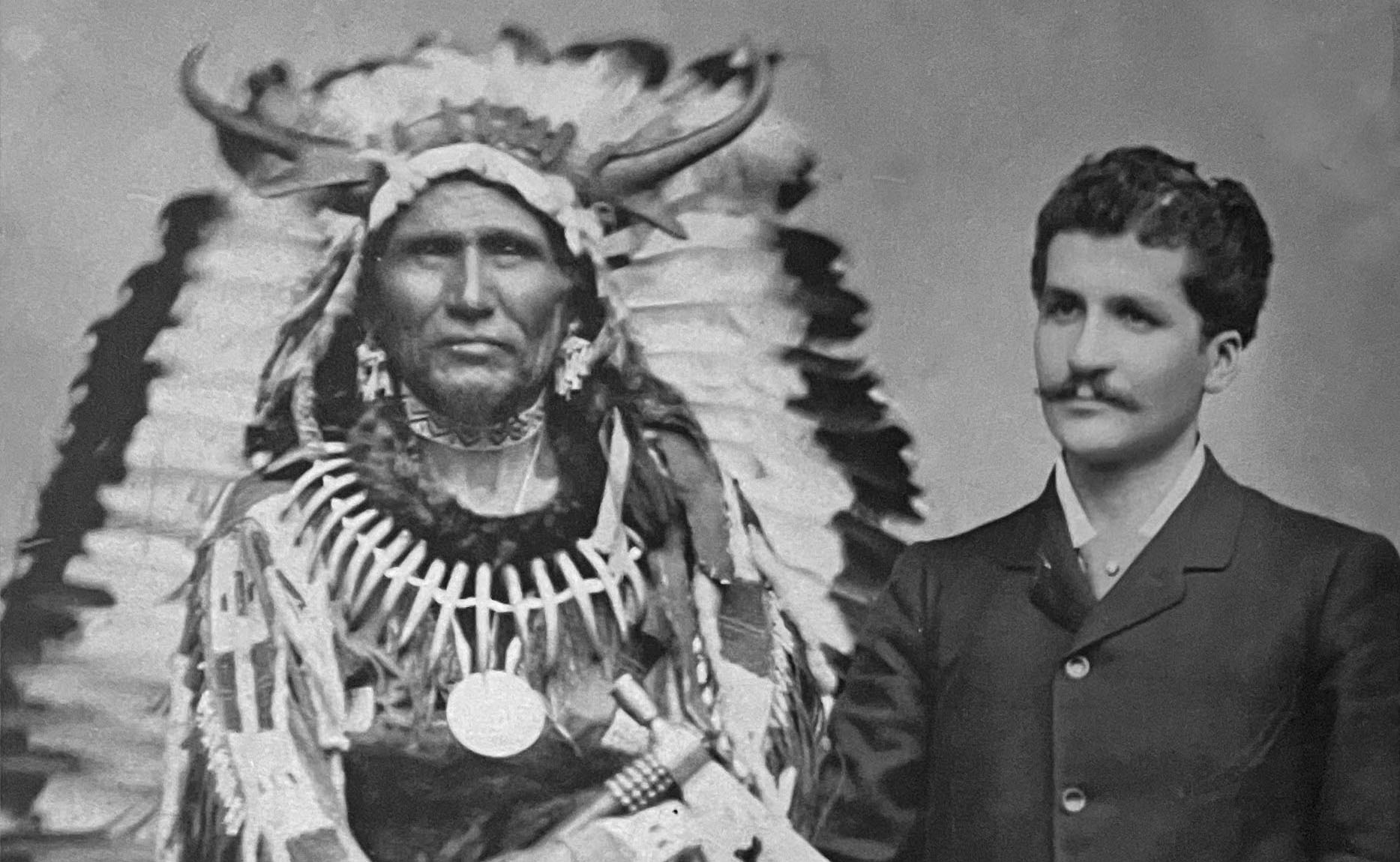
Photo: Julius Meyer and Ponca Chief Standing Bear, Circa 1880


It started in 1856. That was the year the first Jewish settlers arrived in Nebraska. They came from Germany, Austria, and Bohemia—refugees fleeing political and economic crises in Europe. Waves of new arrivals followed. By 1903 the Association Charities was formed to support this growing population. The Association Charities was later named the Jewish Welfare Fund before eventually becoming what we are known as today:
the Jewish Federation of Omaha.

Since our creation, we have been a purpose-driven organization with the mission of building and sustaining a strong and vibrant Omaha Jewish community. With your support, we have proudly cared for our families, our children, our elderly, and those at risk.

Generations before us poured their time, talent, energy, and philanthropy into ensuring that our Jewish community would be something worthy for their children and grandchildren to inherit. Through the highs and the lows, they stood firm in their dedication to our community. They showed up—for minyan, for committee meetings, for carpool, for volunteering, for shiva.

Today we are asking you to do the same.

Your contribution to the 2026 Annual Campaign is a meaningful way to build upon our rich
Jewish history and secure a vibrant community for our future.

Our 2026 Annual Campaign goal is 3.5 million dollars. Your donation will help us:
• Keep early education and Jewish education accessible and affordable for families
• Strengthen the security of our Jewish community and fight antisemitism
• Support meaningful programs that keep our community rooted, engaged, and connected across generations
• Maintain our proud relationship with Israel and help Jews in need throughout the world

If we want a Jewish future, we must fund a Jewish present.

Today, 170 years after those first settlers arrived, it is our turn to decide what we want the future of Jewish Omaha to be. Jewish life in Omaha does not survive on inertia. It survives on intent—on showing up, on engaging and contributing. Your participation is what keeps our community thriving.

Please give to the 2026 Annual Campaign today.

6/23/26

JFO Celebrates 25 Years of the IHE
Read More

6/23/26

JFO Advocates for Legislation to Strengthen Community Security
Read More

6/23/26

JFO Campus Safety and Security Manager Receives Award
Read More

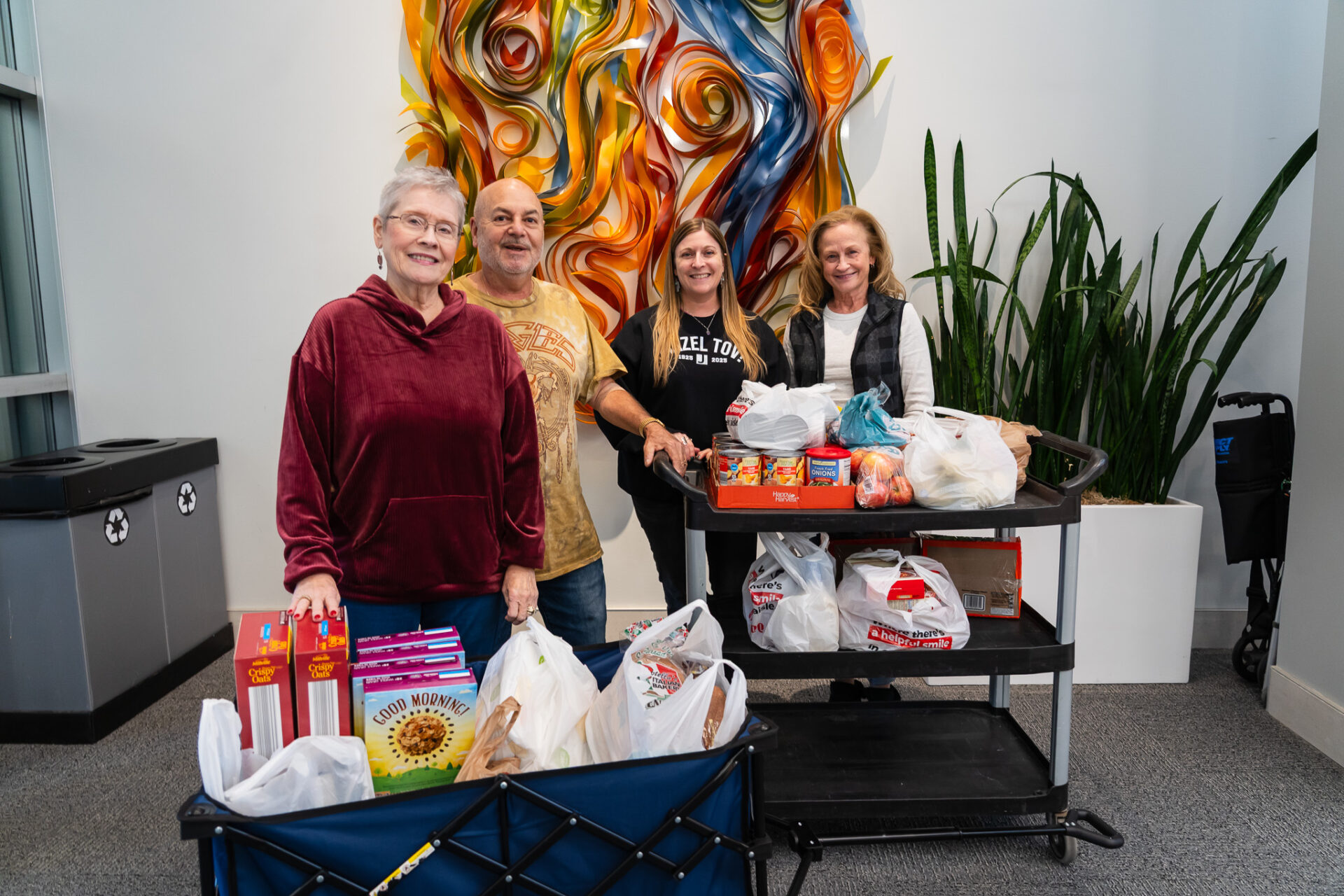
The Story of “Snothing”: Donations from David and Carol Alloy Help Fight Food Insecurity

Guided by the core values of Judaism, the Jewish Federation of Omaha and its agencies respond to critical issues on a daily basis, including the everyday challenges faced by members of our community. Jewish Family Service (JFS), one agency of the JFO, is on the front lines assisting our community with these needs. Their services work to restore hope and meaning when life’s struggles seem insurmountable. They support clients with dignity, privacy, and compassion. Counseling and mental health care, assistance to families and caregivers, senior services, and referrals to other community resources are some of the many services they offer. 

While the day-to-day work of JFS is carried out by professional staff, it is the on-going support of the community through the JFO Annual Campaign that keeps everything moving. Whether through donations of goods, time, or money, the participation of the community is what keeps these essential services viable.

Such is the case with David and Carol Alloy.

In 2023, David and Carol came to the Staenberg Kooper Fellman campus to tour the recent renovations. It was during that visit they first learned of the JFS food pantry.

The JFS food pantry provides groceries and personal hygiene supplies to members of the Jewish community who are struggling to make ends meet. It serves as a vital resource for individuals and families facing food insecurity and financial hardship. The pantry provides a calm, welcoming environment where individuals can shop discreetly. Clients experiencing financial hardship may also receive additional support services, including financial assistance, Tzedakah gifts for Jewish holidays, and back-to-school support for children.

Since April 2025, the pantry has been coordinated by Heather Topil, JFS Financial Assistance Coordinator. Heather oversees daily operations, including stocking and shopping for the pantry, as well as working directly with individuals navigating difficult financial circumstances. Over recent months, she has observed a steady and noticeable increase in demand for the pantry.

“This upward trend began in September of last year and has continued as economic pressures have intensified,” she said.

Heather believes inflation and disruptions to public assistance programs have driven the increase in demand. Over the past 5+ years, JFS has seen an estimated 20% increase in requests for this service.

“The JFS food pantry exists to help ease burdens,” she said, “and contributions help ensure the pantry remains stocked with essential items for those who need them most.”

The pantry accepts shelf-stable items, frozen foods, toiletries, and diapers. Perishable items that require refrigeration are only accepted if they are able to be frozen. The pantry does not accept clothing or other material goods.

The discovery of the food pantry was an unexpected philanthropic opportunity for the Alloys. Having once experienced food insecurity himself, David immediately felt compelled to get involved.

“There was a time in my life where I was living on $80 a month unemployment benefits. My rent was $100 a month. I had no extra resources for food,” he said.

At that time David was receiving some assistance in the form of government food and utility vouchers, but it was barely enough to get by.

“I was living on peanut butter and jelly sandwiches. There were some days where dinner would be my only meal,” he said. “My grandfather (Sam Wiesman) once taught me a word he coined. That word was ‘snothing’. The meaning of the word is when you have less than nothing. I was at a point in my life where I had ‘snothing’.”

After rejoining the workforce and working his way up, David went on to start a successful business. Years of hard work and dedication have now left David and his wife, Carol, in the position to help others. Today they use their resources to support the causes they are passionate about. Food insecurity is one such cause. At least once a month, David and Carol drop off food donations to the JFS food pantry. They give extra around holidays.

“There were sacrifices along the way, but we’ve been fortunate in life,” David said. “That is why it is important for us to donate.”

The Alloy’s generous donations to the JFS food pantry and the JFO Annual Campaign make a substantive impact.

“The continued success of the pantry would not be possible without the generosity of community partners, particularly the Alloys,” Topil said.  “Over the past year, the Alloys have become an integral part of the pantry’s mission, contributing substantial and countless food donations, financial support, and volunteering their time to shopping. Their dedication has made a meaningful difference for the many individuals and families who rely on the pantry’s services. We are deeply grateful for the Alloys’ unwavering commitment and partnership, which has strengthened our ability to meet growing needs and sustain our work in the community.”

Teresa Drelicharz, JFS Executive Director, agrees.

“It is in the times of uncertainty where connection and compassion matter the most,” she said. “Uncertainty is the undercurrent of so many situations; individuals experiencing food insecurity, children experiencing anxiety, seniors facing isolation, families juggling the pressures of work and finances – it further compounds situations that are already difficult. But, when we reach out to one another and lean on the strength of our community, we create resilience, dignity, and well-being. This is why we are so thankful to David and Carol, and to all those who support us. Their donations, along with the funding we receive from the JFO Annual Campaign, allow us to help those in need. Community support is the driving force behind every life touched, every family uplifted, and every dream realized,” she said.

 The ability to make a positive difference in the lives of others is something David and Carol take immense pride in and they encourage others to do the same.

“Get involved somehow, even in a small way,” David said. “Giving Tzedakah is a mitzvah, not just an act of kindness. It is a moral imperative. Helping others less fortunate gives you a sense of self pride.”

All donations make a difference. They allow the Jewish Federation of Omaha and its agencies (Jewish Family Service, Institute for Holocaust Education, Rose Blumkin Jewish Home, Nebraska Jewish Historical Society, The Jewish Press, Jewish Community Relations Council, Staenberg Omaha JCC) to serve our community. As demand continues to rise, JFS and the JFO remain steadfast in supporting community members during times of hardship—ensuring that no one has to face it alone.

Donations to the Jewish Federation of Omaha 2026 Annual Campaign are currently being accepted and are an easy way to help all JFO agencies succeed at their missions. The Annual Campaign is centralized, meaning it is concerned with the entire community and its continued viability. 80% of Annual Campaign funds are re-invested in the local community to support JFO agencies and partner organizations. Together, these agencies and partners provide the programs, services, learning, connections, and inspiration the community relies on. The JFO counts on all contributions, no matter the size, to ensure the Omaha community remains resilient.

To learn more about the JFO Annual Campaign please contact Rachel Ring, JFO Director of Development, at (402) 334-6443. To learn more about Jewish Family Service contact their office at (402) 330-2024.

6/23/26

JFO Celebrates 25 Years of the IHE
Read More

6/23/26

JFO Advocates for Legislation to Strengthen Community Security
Read More

6/23/26

JFO Campus Safety and Security Manager Receives Award
Read More

Campus Improvements Made with Visitors in Mind

Every day the Jewish Federation of Omaha and its agencies work to carry out their shared mission of building and sustaining a strong and vibrant Omaha Jewish community. Often this work is immediately recognizable, seen in the programs, services, and events that happen across the Staenberg Kooper Fellman campus. Some ways, however, are more subtle.  Such is the case with campus infrastructure and parking.

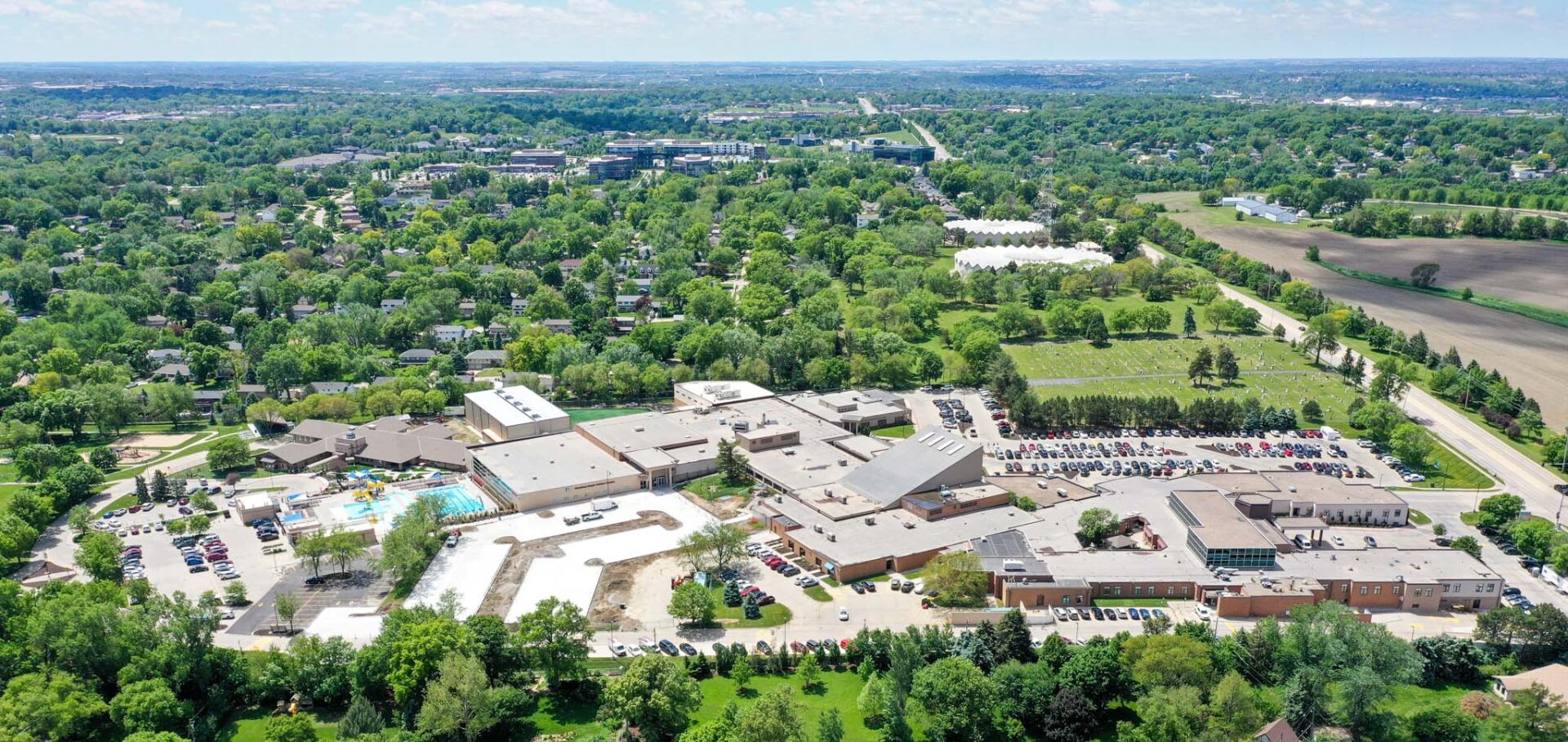
The Staenberg Kooper Fellman campus is a busy place. On average the campus welcomes about 1,500 visitors per day for total of 547,500+ per year. These visitors include guests of the Jewish Federation of Omaha and its agencies (The Staenberg Omaha JCC, Jewish Family Service, the Rose Blumkin Jewish Home, Jewish Community Relations Council, the Institute for Holocaust Education, the Jewish Press, and the Nebraska Jewish Historical Society) as well as students of Friedel Jewish Academy.

Phil Malcom, Chief Operating Officer for the Jewish Federation of Omaha, sited these daily demands as a driving force behind recent campus improvements.

“In order to sustain an engaging campus that meets the needs of our visitors, we are always thinking about how spaces could be better utilized or improved to enhance their experience,” Malcom said. “Each project is done in accordance with our mission. We’re focused on maintaining a strong Jewish community, not only for today but for generations to come. The immense growth of both our programs and our facilities highlighted the need to expand campus parking as a part of improving visitor experience.”

After examining all options, a plan was developed to include additional parking within the Rose Blumkin Jewish Home expansion project.

“In December of 2023 the decision was made to decommission the Livingston Plaza,” Malcom said. “In the spring of 2025, the Livingston Plaza was demolished to create space for the expansion of the Rose Blumkin Jewish Home and a new parking lot.”

Additional parking was also created along the north drive of the ring road.

The expanded parking was completed by the summer of 2025. While it may seem trivial in comparison to the beautiful new structures that have been added to the campus over the past few years, the parking has made a positive impact on visitors. Those who have seen particular benefit are visitors of the Staenberg Omaha JCC’s Phil Sokolof Fitness Center and Goldstein Aquatic Center. The new configuration of the parking lot allowed for an increase of handicapped spots near the Fitness Center entrance. There is now a total of eight direct access (no curb) spaces available.  The parking lot project also included new sidewalks, new curbs, new lighting, new landscaping, security improvements, and the removal of old sewer grates.

Jason Epsenhart, Director of Facilities for the Jewish Federation of Omaha, said the project was meticulously thought through, always keeping campus visitors’ experience in mind.

“Removing the old sewer grates near the Fitness Center entrance made an immediate improvement in safety and aesthetic,” he said. “The grates were previously needed to drain storm water from the area. In the winter months the concern was the accumulation of snow and ice. During the warmer months crossing the grates sometimes posed a challenge for those with limited mobility. When the parking lot project was in the planning stages, the JFO made the decision to remove the grates an have the drainage integrated into the grading of the new parking lot. It was an extra step, but one that we felt would be well worth it. We worked with civil engineers to make the entry point to the fitness center as smooth as possible. Our goal was to make the area safer and more accessible.”

In addition to the functional improvements, the JFO also made sure that new security measures were implemented in an aesthetically pleasing way. Epsenhart said new landscaping was integrated into the parking lot to match the high level of beautification found throughout the campus. Large planter-style bollards were installed for added security and new LED lighting was installed to keep the area well-lit and safe.

“It was a very large undertaking that was completed in three months. That really is an extraordinary accomplishment considering all the different pieces involved with removing the Livingston Plaza,” Epsenhart said.

Currently, only about half of the 90 new parking stalls are available to campus visitors. Approximately 45 of the stalls remain occupied by the construction of the Blumkin Home expansion. This includes some of the parking along the north ring road which is temporarily being used as a drive lane. Shifting the traffic pattern in such a manner has allowed the north ring road to remain open during the RBJH expansion project.

The Rose Blumkin Jewish Home expansion will bring 32 new, single occupancy rooms (short-term and long-term care) with private bathrooms and zero-entry showers. New shared spaces will include community living rooms, community dining rooms, a rooftop balcony, and a dedicated parking lot. Also included is the creation of the Alan J. Levine Rehabilitation Center, a short-term rehabilitation wing designed to provide services for community members who need help recovering from illness, injury, or surgery. The Rose Blumkin Jewish Home continues to offer 24-hour licensed nursing care, long-term residential care, short-term rehabilitation therapies, respite care, and hospice care during the renovation. It welcomes Residents of all backgrounds and faiths.

The completion date of the Rose Blumkin Jewish Home expansion is projected for the summer of 2026. Upon completion campus visitors will be able to enjoy use of the full parking lot.

“We recognize it’s an inconvenience to have some of the new parking stalls temporarily occupied by construction, but it really was the least disruptive option available,” Epsenhart said. “We appreciate everyone’s patience during our projects. We truly do keep campus visitors and JCC members in mind with every decision we make. We work hard to make sure you have a beautiful campus to enjoy.”

6/23/26

JFO Celebrates 25 Years of the IHE
Read More

6/23/26

JFO Advocates for Legislation to Strengthen Community Security
Read More

6/23/26

JFO Campus Safety and Security Manager Receives Award
Read More